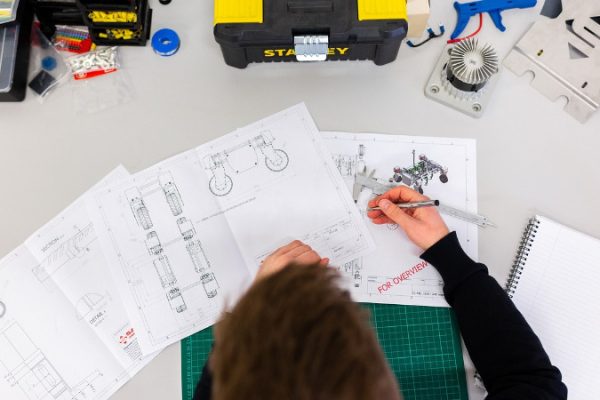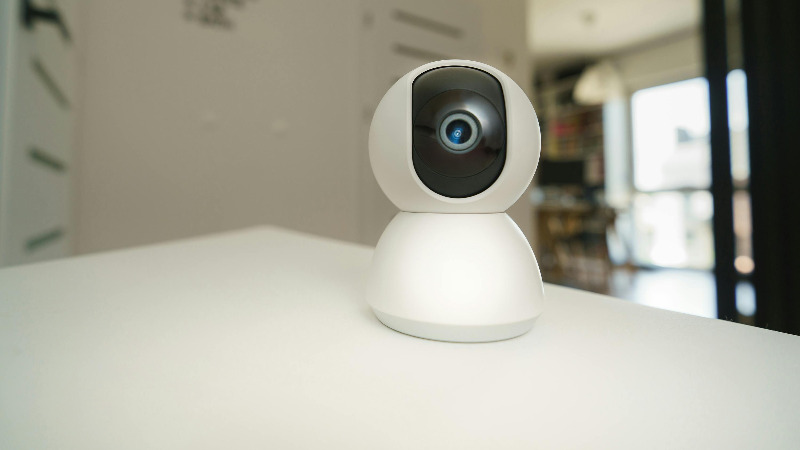
Watching skilled hotel staff fold napkins and polish glassware while wearing motion-capture gear may seem futuristic, yet, it shows a serious shift in modern robotics. South Korea’s RLWRLD is building a real-world data library from experienced workers, aiming to train AI brains capable of handling nuanced tasks in both industry and homes. While the technology is not fully mature, capturing human dexterity is the next logical step in robotic training.
Top Stories This Week
- South Korean Startup Captures Workers Movement To Train AI
- Unitree GD01 Robot Shows Mecha Suits Are Possible
- Apple-Intel Chip Deal Could Trigger €4.6 Billion Equipment Frenzy, With ASML Set To Cash In
- Malaysia Looks Towards Self-Made 3nm Chips
- Quantum Power Chip Startup Casimir Lands $12M Seed Round To Make Batteries Immortal Print
- AI Likely Aided Attackers To Develop A Zero-day
- Engineers Are Replacing Steel Rebar With Wavy 3D-printed Plastic Plates To Stop Buildings From Rusting
- NASA’s Powerful New Chip Could Let Spacecraft Think Independently
- NASA Tests Fuel Cell To Power Moon Habitats During Long Nights
- Scientists Say This Algae Could Remove Microplastics From Drinking Water
- Asimov Is An Open Source Humanoid Robot For The Rest Of Us
Hardware Business News
Unitree GD01 Robot Shows Mecha Suits Are Possible
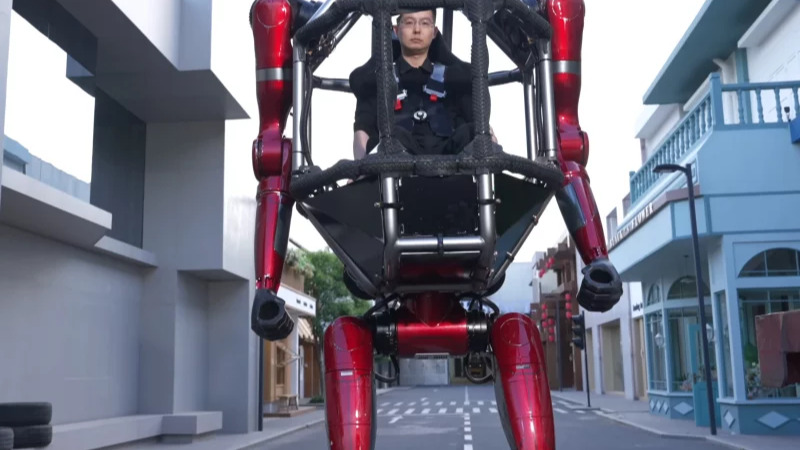
Seeing a full-size, pilot-operated mecha suit like Unitree’s GD01 move from fiction to reality is a milestone that’s hard to ignore. The 2.7-meter-tall robot currently walks on two or four legs and features hands-on piloting, yet details on performance and capability remain limited. While the current design appears quite rough, with visible wiring and makeshift elements, I see this as a practical demonstration of concept rather than a finished product. At $650,000, the GD01’s price suggests ambition, and I’m certainly curious to see how rapidly the technology will mature.
Apple-Intel Chip Deal Could Trigger €4.6 Billion Equipment Frenzy, With ASML Set To Cash In
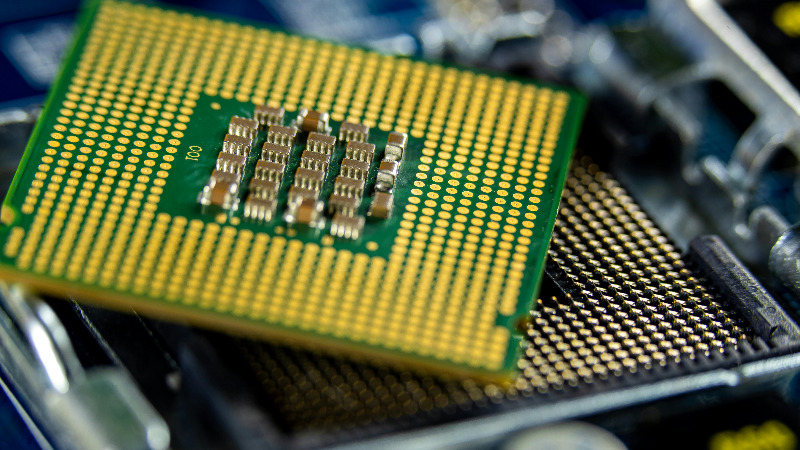
A potential agreement between Intel and Apple may drive significant investment in chip manufacturing equipment, with ASML positioned to benefit, according to Bank of America. Reports indicate the deal could be valued at up to $10 billion, and demand for advanced lithography and bonding machines could rise sharply, especially if iPhone production is included. While details on which Apple products or technologies might be involved are still sparse, it’s clear that such a move could reshape the competitive landscape and further solidify ASML’s role in high-end semiconductor fabrication.
Malaysia Looks Towards Self-Made 3nm Chips
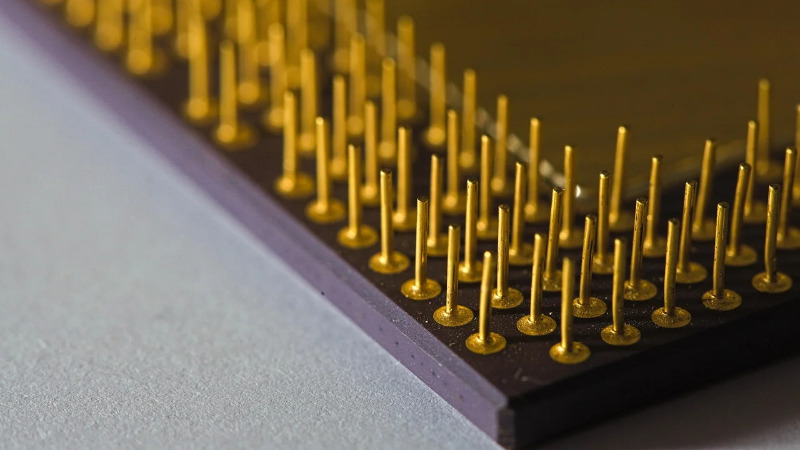
Malaysia’s push to develop homegrown 3nm chips marks a major significant step for its tech industry, as the government collaborates with ARM and local companies to move beyond traditional assembly roles. While ARM’s involvement provides access to established IP, Malaysia’s choice of a closed platform over open alternatives like RISC-V is notable, given potential licensing constraints. Still, building semiconductor capacity is never straightforward, so Malaysia’s investment in talent and infrastructure could help it carve out a new position in the global semiconductor market.
Quantum Power Chip Startup Casimir Lands $12M Seed Round To Make Batteries Immortal Print
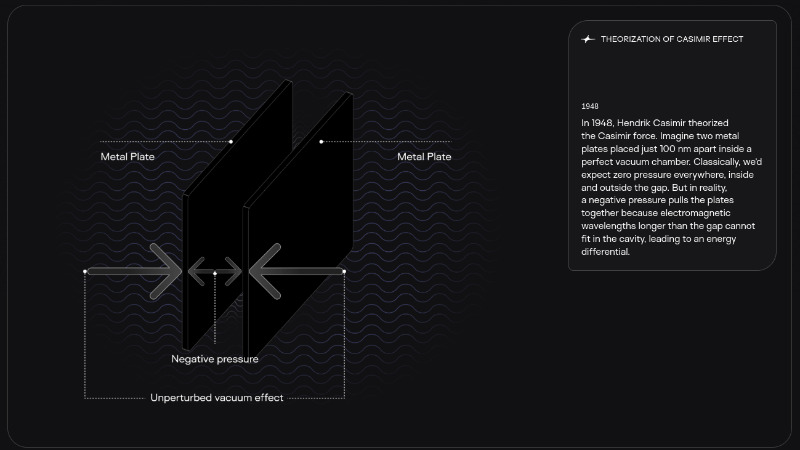
The promise of battery-free electronics is taking a step forward, as Casimir secures $12 million in seed funding to commercialize semiconductor chips that harvest energy from quantum vacuum fields. With its MicroSparc chip targeting ultra-low-power devices and aiming for commercial release by 2028, the company is positioning itself to address costly battery replacement in the IoT sector. While practical deployment is still a few years out, the application of Casimir effect principles to real-world devices is a truly compelling direction that could have far-reaching implications for energy management.
Hardware Engineering News
AI Likely Aided Attackers To Develop A Zero-day
AI is no longer just a tool in the cyberattacker’s kit, as Google’s latest findings reveal that generative models are now actively shaping zero-day exploits. The documented case involved bypassing two-factor authentication in a widely used open-source admin tool, and while the vulnerability was addressed before mass exploitation, the technical leap is clear. This development in security is a serious turning point, as automation and adaptive malware now reshapes the threat landscape. However, the same techniques are being harnessed for defense, suggesting a new era of AI-driven cybersecurity on both sides.
Engineers Are Replacing Steel Rebar With Wavy 3D-printed Plastic Plates To Stop Buildings From Rusting

The idea of swapping traditional steel rebar for 3D-printed plastic plates in concrete is starting to gain traction, and for good reason. Researchers at the University of Sharjah showed that jagged, wavy PLA plates bond tightly with concrete, resisting slippage and corrosion. While this approach hasn’t yet been proven at full scale, the lab results,especially the triangular wavy plate achieving nearly 80% of steel’s flexural strength,are intriguing. As someone who’s seen the toll of corrosion on infrastructure, I find the potential for tailored, corrosion-proof reinforcement a step in the right direction for future materials engineering.
NASA’s Powerful New Chip Could Let Spacecraft Think Independently
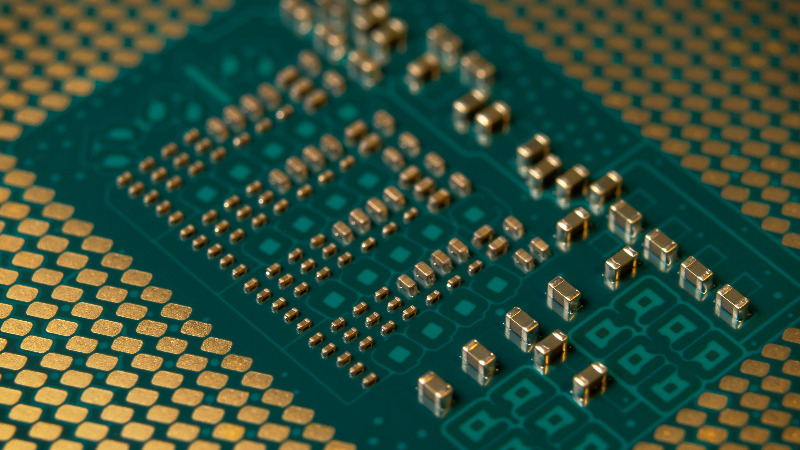
NASA is pushing the boundaries of space hardware with a new radiation-hardened processor, showing early performance up to 500 times greater than current spaceflight chips. This system-on-a-chip, developed with Microchip and JPL, is undergoing rigorous radiation, thermal, and shock testing to verify durability and reliability. As missions venture farther from Earth, the need for onboard autonomy and immediate data processing grows, and this chip stands to address that gap.
Hardware R&D News
NASA Tests Fuel Cell To Power Moon Habitats During Long Nights

Energy storage on the Moon remains a complex hurdle, so NASA’s successful ground test of a 25-kilowatt regenerative fuel cell is a noteworthy step. By converting solar energy into storable hydrogen and oxygen, then delivering electricity during the extended lunar night, this system offers a practical alternative to traditional batteries. From an engineering perspective, its capacity for long-duration output and resilience to deep discharge cycles could prove essential for future Artemis missions, especially in sun-starved regions. It will be interesting to see how the technology adapts as researchers simulate more challenging lunar conditions.
Scientists Say This Algae Could Remove Microplastics From Drinking Water

The idea of using genetically engineered algae to capture microplastics from water is now getting attention, and recent work at the University of Missouri demonstrates new possibilities. By modifying algae to produce limonene, Susie Dai’s team has found a way for the algae to bind to microplastics, forming clusters that are easier to remove. While still in the experimental stage, this research could eventually help wastewater treatment plants address persistent plastic pollution.
Open-Source Hardware News
Asimov Is An Open Source Humanoid Robot For The Rest Of Us
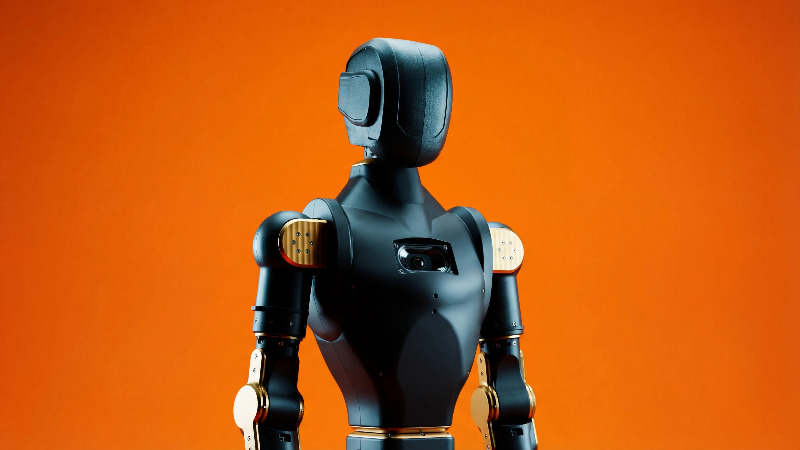
Affordable humanoid robotics takes a step forward with the open source Asimov v1, offering enthusiasts a kit at around $15,000 and full access to design files. While this isn’t a trivial expense, it’s a fraction of historical development costs and makes hands-on exploration more feasible for a broader community. Relying on accessible computing like the Raspberry 5, Asimov provides solid ground for experimentation. From my experience, lowering these barriers is vital for meaningful open hardware progress, and I’m interested to see how creative teams will adapt and expand on this foundation.