A new coal-powered fuel cell from Chinese scientists could reshape how we view coal’s role in clean energy. Unlike traditional combustion, this design electrochemically oxidizes pre-treated coal, capturing carbon dioxide for conversion into useful chemicals rather than releasing it. The reported 40 percent efficiency stands out, particularly since previous models struggled with longevity and power density. As someone interested in realistic engineering solutions, the direct use of deep coal reserves is intriguing, though practical deployment will require further study. This approach could thus sit between current infrastructure and future clean energy goals.
Top Stories This Week
- Chinese Scientists Build Zero Emission Coal-fired Battery
- US’ First Integrated Humanoid Factory To Build 100,000 NEO Robots By 2027
- SquareMind Raises $18M For Robotic Dermatology Platform
- German Robotics Startup Sereact Raises $110M
- Customers Asking Intel For Scrapped Dies To Help Ease CPU Supplies
- 3D Printing Created Muscle-Like Filaments That Bend And Twist
- China Revives NASA’s Orbital Construction Robot Dream
- This Walking Robot Could Change How We Search For Life On Mars
- New 3D-printed Jet Engine Hits 1,000 Lbf Thrust For Uncrewed Combat Drones
- Scientists Built A Quantum Battery That Breaks The Rules Of Charging
- Calligo In Talks To Raise $12-15 Million To Scale Indigenous RISC-V Chip Play
Hardware Business News
US’ First Integrated Humanoid Factory To Build 100,000 NEO Robots By 2027

A new chapter in US robotics manufacturing is unfolding, as 1X launches full-scale production of its NEO humanoid robots at a dedicated facility in California. With a vertically integrated approach, the company is handling everything from motor winding to system assembly in-house, which should facilitate rapid iterations and tighter quality control. Early demand appears strong, and NEO’s on-board AI, powered by NVIDIA, suggests real progress in practical home robotics. From an engineering perspective, localizing full-stack production may also strengthen supply chain resilience and support faster adaptation to user needs.
SquareMind Raises $18M For Robotic Dermatology Platform
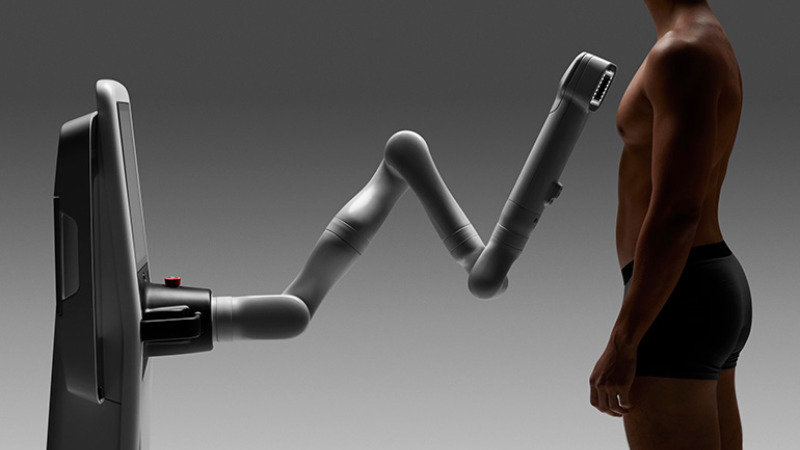
With dermatologists under increasing pressure from surging patient volumes, SquareMind has secured $18 million to advance its Swan robotic imaging platform. Tapping into AI for rapid, full-body dermoscopic scans, Swan aims to streamline melanoma detection and documentation, offering structured data without replacing clinical judgment. The investment signals strong confidence in automation’s potential to address capacity gaps across U.S. and European markets. While technology won’t replace the expertise of dermatologists, integrating robotics in routine screening could help professionals focus on the most complex cases,a sensible evolution as demand continues to rise.
German Robotics Startup Sereact Raises $110M

Sereact’s recent $110 million Series B round signals growing confidence in AI-driven robotics for industry, particularly as the company focuses on expanding its presence in the US and advancing its Cortex 2 AI model. With backing from both new and existing investors, Sereact’s approach of offering a universal AI “brain” for robots, rather than hardware, stands out. While it is early to predict large-scale impact, this kind of targeted funding often accelerates both technical development and broader adoption, and I’ll be interested to see how their technology is integrated by established manufacturers.
Customers Asking Intel For Scrapped Dies To Help Ease CPU Supplies
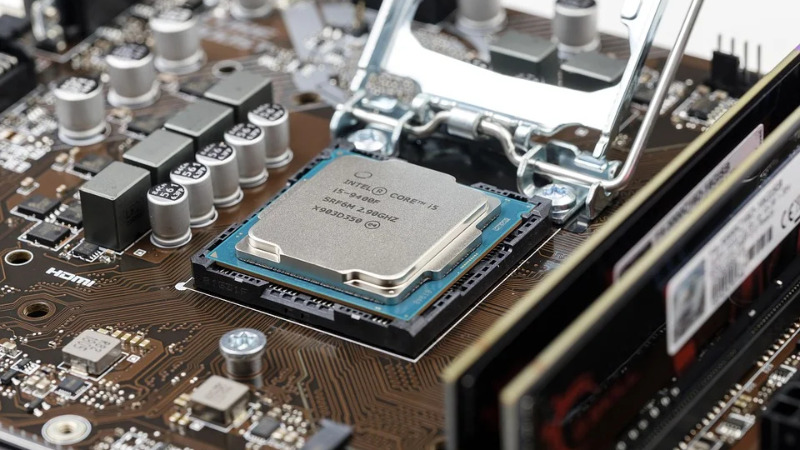
Seeing Intel sell previously scrapped Xeon dies at customer request signals just how intense the CPU shortage has become, particularly as AI workloads surge. While these lower-tier chips would once have been discarded, businesses are now willing to compromise on performance simply to keep their systems running. In my view, this is a positive, if temporary, response to supply constraints, and it shows how AI’s demand is reshaping industry norms and economic strategies throughout the semiconductor sector.
Hardware Engineering News
3D Printing Created Muscle-Like Filaments That Bend And Twist
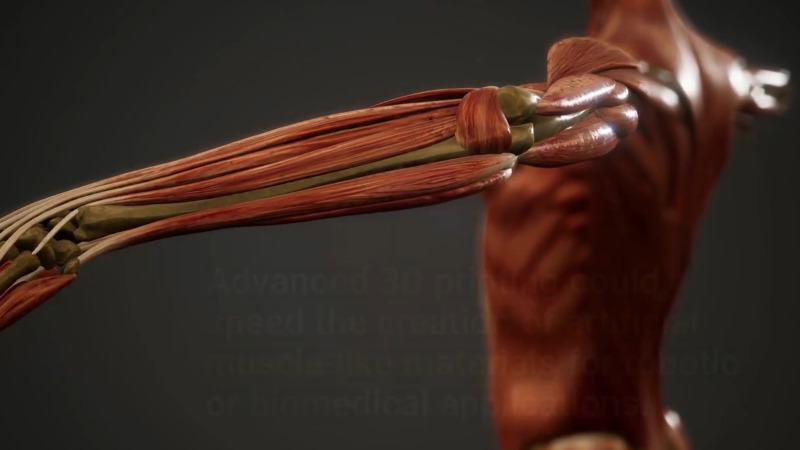
It’s fascinating to see Harvard researchers leveraging rotational multimaterial 3D printing to create filaments that mimic muscle-like motion, bending and twisting when heated or cooled. By precisely integrating active liquid crystal elastomers with passive polymers, the team can “program” shape changes during fabrication, which is a notable advance for soft robotics and adaptive structures. While the technology is still at an early stage, the ability to predefine motion at the filament level opens new avenues for customizable actuators, and I’m particularly interested in how this might influence future biomedical or soft automation applications.
China Revives NASA’s Orbital Construction Robot Dream
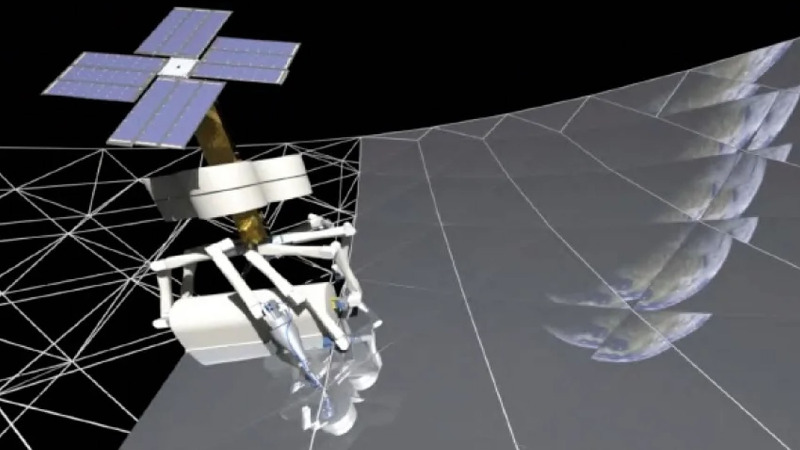
The concept of building large structures directly in orbit is getting renewed attention, as Chinese researchers develop an autonomous robot inspired by NASA’s shelved SpiderFab project. While their prototype remains Earth-bound, early results suggest carbon-fiber composite tubes and laser-bonded joints could offer a practical path forward. As an engineer, I find the move from folded payloads to in-space assembly promising, yet success will depend on overcoming the technical hurdles of autonomous operation and material durability in space. This could mark a pivotal shift in how we approach large-scale space infrastructure.
This Walking Robot Could Change How We Search For Life On Mars
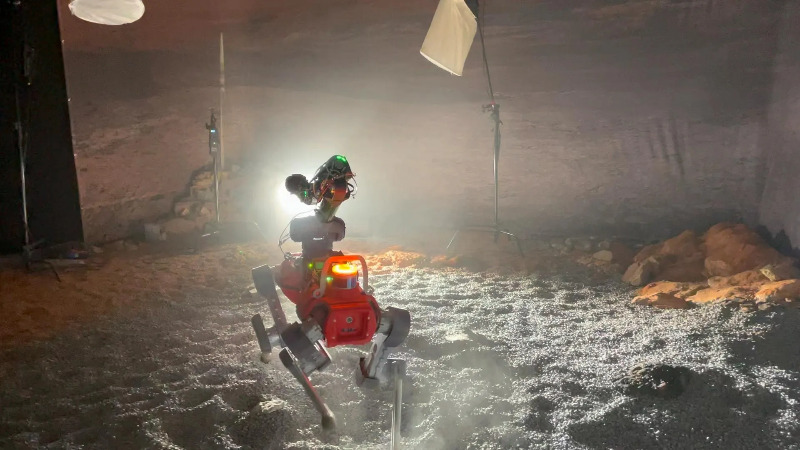
Semi-autonomous legged robots may soon reshape how we explore Mars, as recent tests with the ANYmal robot highlight. By combining compact instruments with the ability to analyze multiple rocks independently, the system completed geological surveys roughly twice as fast as traditional, human-guided methods. It’s notable that even with relatively simple tools, the robot delivered meaningful scientific results. This could very well be a practical step toward more efficient planetary exploration, where nimble robots could help prioritize areas for deeper study without sacrificing data quality.
Hardware R&D News
New 3D-printed Jet Engine Hits 1,000 Lbf Thrust For Uncrewed Combat Drones
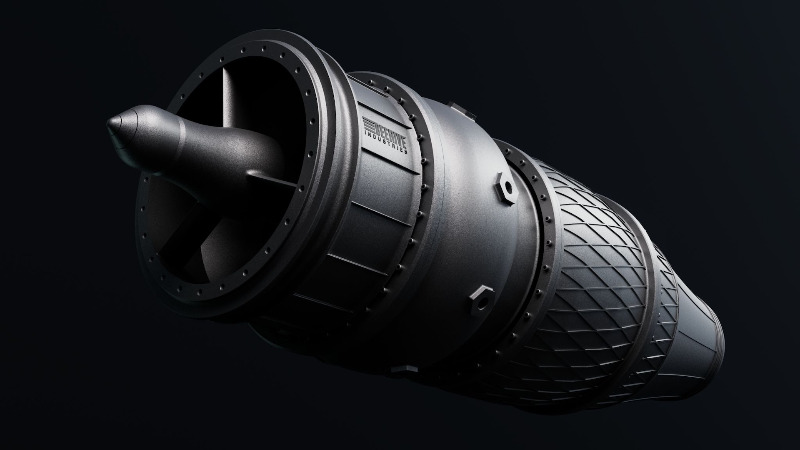
A 3D-printed jet engine reaching 1,000 lbf thrust is a notable step for uncrewed combat aircraft, and Beehive Industries’ Rampart engine demonstrates how additive manufacturing can address demands for faster, more adaptable production. While large-scale deployment will depend on meeting rigorous military standards, the combination of rapid assembly and flexible design could influence how future uncrewed systems are built.
Scientists Built A Quantum Battery That Breaks The Rules Of Charging

The concept of a quantum battery charging faster as it scales is certainly interesting, especially since this runs counter to established chemical battery behavior. Researchers in Australia have demonstrated a working prototype that uses quantum effects for wireless, rapid energy storage, a notable step beyond theory. While practical applications are still some way off, this is a genuine advance. Going forward, we will have to wait to see how the field addresses charge retention, as improving storage time will be key for real-world use.
Open-Source Hardware News
Calligo In Talks To Raise $12-15 Million To Scale Indigenous RISC-V Chip Play
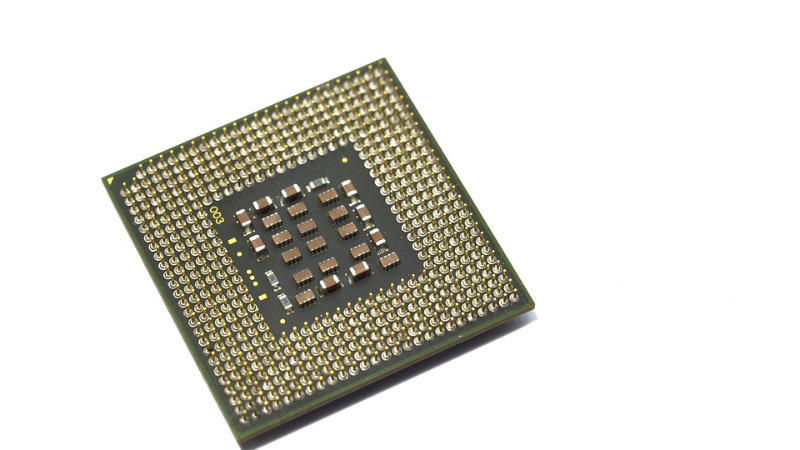
A potential $12-15 million fundraise by Calligo Technologies indicates strong growing interest in India’s indigenous RISC-V development, especially as semiconductor investment continues to climb. With a focus on energy-efficient, Posit-based silicon chips for AI and high-performance computing, Calligo’s approach could address key computational challenges. While details remain under discussion, it’s encouraging to see experienced leadership driving efforts that may increase domestic hardware accessibility.