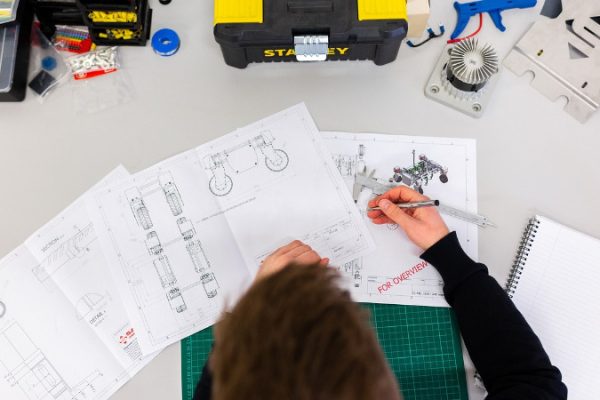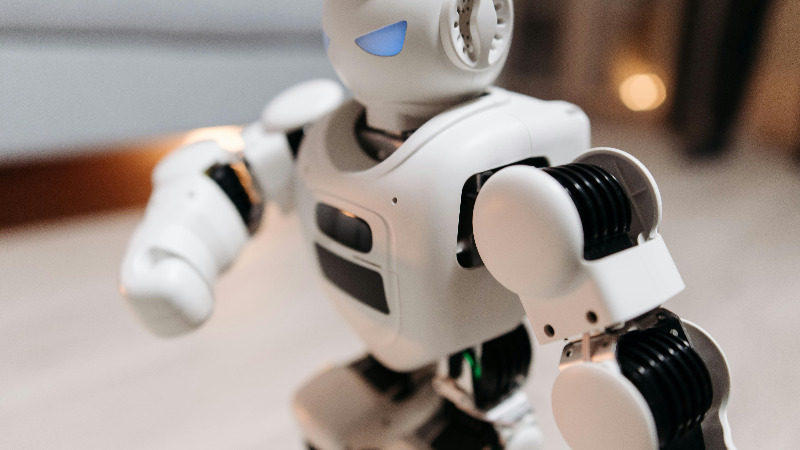
The question of whether AI firms should pay a “minimum wage” to robots is gaining traction, as automation rapidly transforms traditional office and manufacturing roles. Charles Radclyffe, whose software automates administrative work, suggests taxing AI could help manage job transitions, though others like Oliver Conger of British Rototherm argue it’s too early for such measures. Personally, I see a great deal of merit in both approaches, as balancing innovation with social impact is rarely straightforward, and it’s clear the debate over regulating AI’s economic effects is only just beginning.
Top Stories This Week
- Should AI Firms Pay Minimum Wage To Robots?
- SpaceX May Spend Up To $119B On ‘Terafab’ Chip Factory In Texas
- Apple Now Considering Intel And Samsung For Future Devices Over TSMC
- Quantum Motion Raises $160M For Silicon-based Quantum Computers That Fit In A Server Rack
- Norway-founded Robotics Firm Opens Massive 58,000-square-foot California Plant For Humanoid Robot Production
- The Hidden Bottleneck Holding Back American Manufacturing Isn’t Machines — It’s Knowledge
- Chinese Humanoid Robots Roll Into Japan’s Airports Amid Labour Shortage
- America Builds AI, China Uses It To Transform Systems
- Scientists Have Found A Way To Double Battery Capacity Without Losing Charging Speed
- Can This ‘bio-inspired’ Robotic Fish Improve Aquaculture Monitoring And Animal Welfare?
- Copy Fail: What You Need To Know About The Most Severe Linux Threat In Years
Hardware Business News
SpaceX May Spend Up To $119B On ‘Terafab’ Chip Factory In Texas
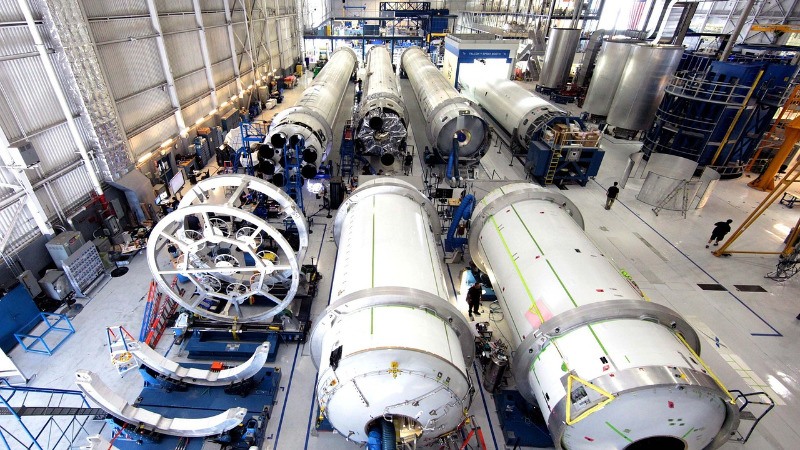
SpaceX is weighing an ambitious investment, with up to $119 billion proposed for a semiconductor facility in Texas, according to local filings. The so-called “Terafab” project would support AI, satellite, and automotive chip needs across Musk’s ventures, including xAI and Tesla, while Intel is also involved. Although Grimes County is named as a potential site, other locations remain under review. This scale of vertical integration could reshape supply chains, and from an engineering standpoint, having in-house chip production may offer significant control over technology development in the years ahead.
Apple Now Considering Intel And Samsung For Future Devices Over TSMC
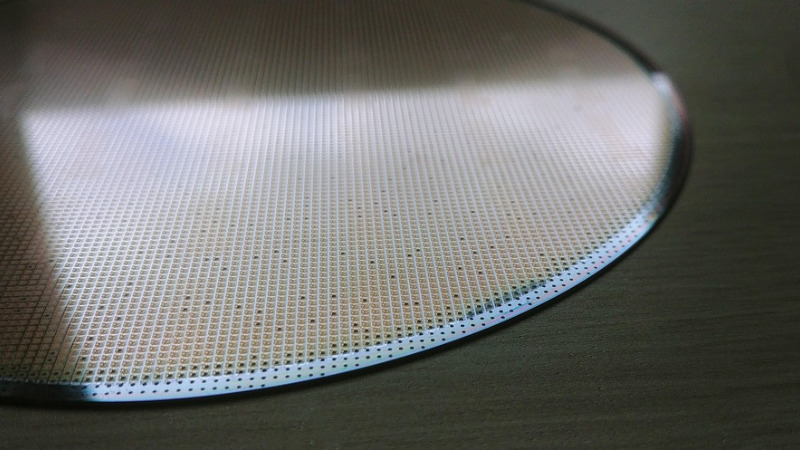
Apple’s recent consideration of Intel and Samsung as potential chip suppliers shows a serious shift in its supply chain strategy, likely prompted by ongoing AI-driven demand that is straining TSMC’s production capacity. While Apple has not finalized any changes, the move highlights how even industry leaders are feeling the effects of global chip shortages. Diversifying suppliers is becoming more prudent given today’s volatile landscape, though matching TSMC’s technical capabilities will undoubtedly be challenging.
Quantum Motion Raises $160M For Silicon-based Quantum Computers That Fit In A Server Rack
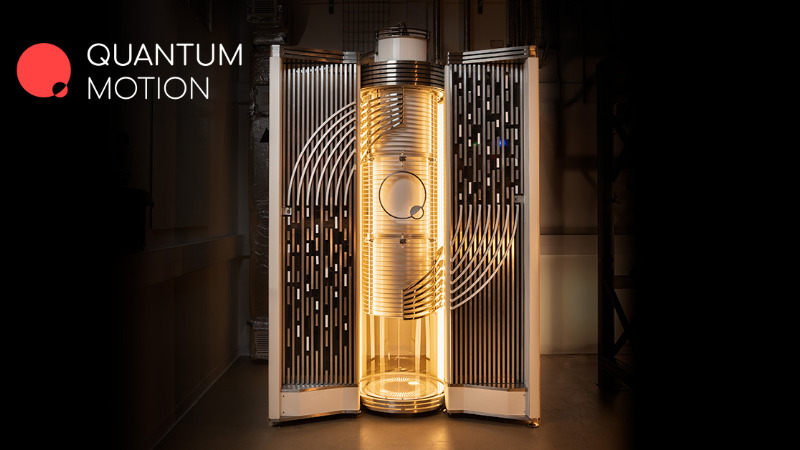
Quantum Motion’s $160 million funding round shows a growing confidence in silicon-based quantum computers, aiming to fit powerful systems into standard server racks. Using established transistor technology could help address the scale, cost and energy barriers that have slowed wider adoption, though practical commercial applications remain on the horizon. It’s interesting that both private and public investors are backing this approach, and leveraging existing semiconductor infrastructure will likely offer a viable path toward real-world quantum deployment.
Norway-founded Robotics Firm Opens Massive 58,000-square-foot California Plant For Humanoid Robot Production
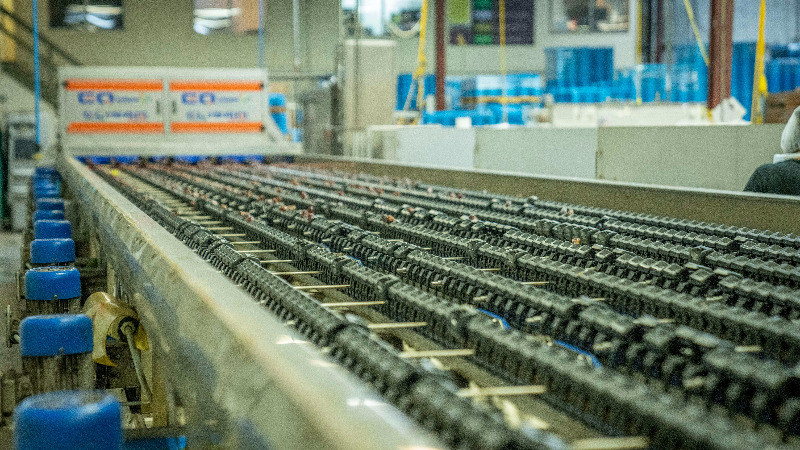
A Norway-founded robotics firm has launched a 58,000-square-foot production facility in California, aiming to assemble 100,000 humanoid robots by 2027. With 200 employees already on-site, 1X Technologies is ramping up NEO Home Robot production, targeting automation of everyday household chores. While the company reports strong early demand and flexible payment options, demonstrations suggest human operators still guide the robots’ actions. So whether these robots live up to the hype is yet to be seen.
Hardware Engineering News
The Hidden Bottleneck Holding Back American Manufacturing Isn’t Machines — It’s Knowledge

Many assume that machinery is the limiting factor in American manufacturing, yet it’s often the expertise of operators that truly restricts output. While factories invest heavily in equipment, the critical know-how often resides in a handful of individuals, and this knowledge is tough to transfer or scale. From my experience, embedding domain-specific AI into workflows can help standardize best practices and reduce reliance on scarce expertise. As manufacturing grows more complex, I believe such technology will shift from being a competitive advantage to a basic necessity, much like reliable power or connectivity.
Chinese Humanoid Robots Roll Into Japan’s Airports Amid Labour Shortage
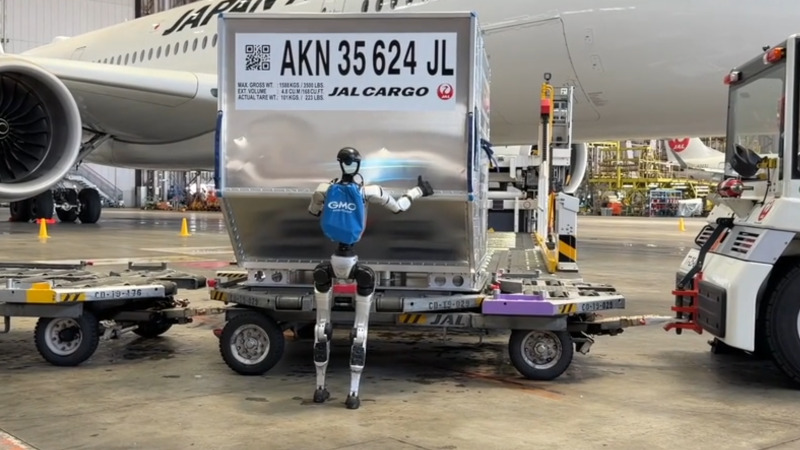
Humanoid robots from China are beginning to make a noticeable impact in Japan’s airport operations, as Japan Airlines launches a two-year trial at Haneda Airport using models from Unitree and UBTech for tasks like baggage handling and cabin cleaning. While the technical capabilities of the G1 and Walker E are well matched to the demands of logistics, I see this as a positive response to Japan’s ongoing labor shortages, and will be interesting to observe how these machines handle real-world conditions.
America Builds AI, China Uses It To Transform Systems
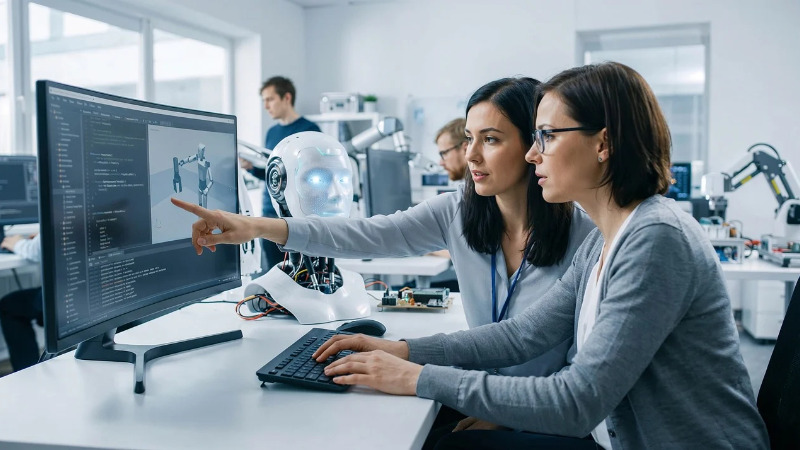
While the US still leads in AI research and investment, China is moving quickly to embed AI into core systems like logistics and healthcare. Rather than retrofitting new tools onto old frameworks, Chinese industries often redesign processes around AI, which can produce more substantial gains. As an engineer, I see clear parallels with previous technological shifts, with the greatest impacts coming from technologies reshaping underlying structures instead of just the tools used by engineers.
Hardware R&D News
Scientists Have Found A Way To Double Battery Capacity Without Losing Charging Speed

A recent breakthrough in battery electrode design caught my attention, as researchers have nearly doubled capacity without slowing charging rates. By using 3D printing to create an interwoven internal structure, they’ve managed to address the long-standing issue of dead zones in thicker electrodes. It’s especially notable that this was achieved without altering the chemistry, emphasizing the impact of structural engineering in energy storage. While real-world adoption will require further testing and validation, the focus on architecture rather than materials is an interesting and novel direction for R&D.
Can This ‘bio-inspired’ Robotic Fish Improve Aquaculture Monitoring And Animal Welfare?
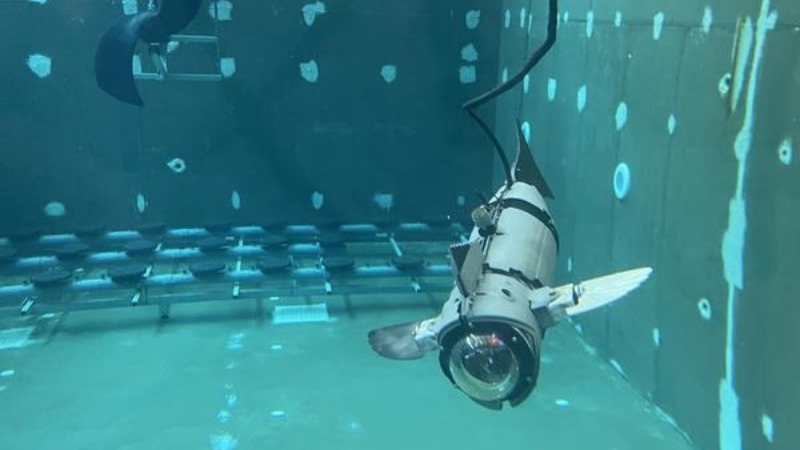
A robotic fish prototype developed at Universitat Jaume I in Spain is showing promise for aquaculture monitoring, as it combines bio-inspired movement with real-time sensing. Unlike conventional robots that rely on propellers and bright lights, this design aims to minimize stress on fish by emulating natural movement and reducing disturbance. The flexibility to add sensors for parameters like pH or oxygen broadens its potential applications, and from an engineering perspective, the undulatory propulsion is a practical solution for sensitive environments.
Open-Source Hardware News
Copy Fail: What You Need To Know About The Most Severe Linux Threat In Years

A recently disclosed vulnerability, CVE-2026-31431 or “Copy Fail,” highlights a deterministic flaw in the Linux kernel’s cryptographic subsystem, impacting most major distributions since 2017. Exploited locally, it enables attackers to overwrite in-memory copies of privileged binaries, escalating access to root without altering files on disk. The technical design,reliable, portable, and not reliant on race conditions,marks a significant concern for open source users.