For most of modern technological history, hardware development has been dominated by closed and proprietary design practices. Schematics are hidden, firmware is locked down, and manufacturing details are treated as closely guarded trade secrets. While this model has enabled many foundational technologies by protecting investment and encouraging commercial risk-taking, its limitations are becoming increasingly visible. Repairability is declining, product lifespans are shortening, and innovation is often constrained by legal rather than technical barriers. So in this article, we explore the challenges of closed-source hardware, examine how open-source software reshaped the technology landscape, and consider whether similar principles can realistically be applied to physical systems as engineering becomes more complex and interconnected.
Top Stories This Week
- Why Open-Source Matters For The Future Of Hardware
- Taiwan To Invest More In US Chip Manufacturing In New Trade Deal
- Siemens And NVIDIA Expand Partnership To Build The Industrial AI Operating System
- Inside OpenAI’s Strategy For US Hardware Manufacturing
- Why The Price Of RAM Is Skyrocketing
- Colorado Expands Repair Rights As Electronics Rules Take Effect
- How Smart Manufacturing Technologies Are Transforming The Future Of Solar Panel Production
- Are Lies By Robots Ever Justified?
- This Robotic Hand Detaches, Crawls, And Reattaches
- AI System With Smart Eyes Detects Welding Defects
- Open-source Hardware To Face COVID-19 Pandemic
Hardware Business News
Taiwan To Invest More In US Chip Manufacturing In New Trade Deal
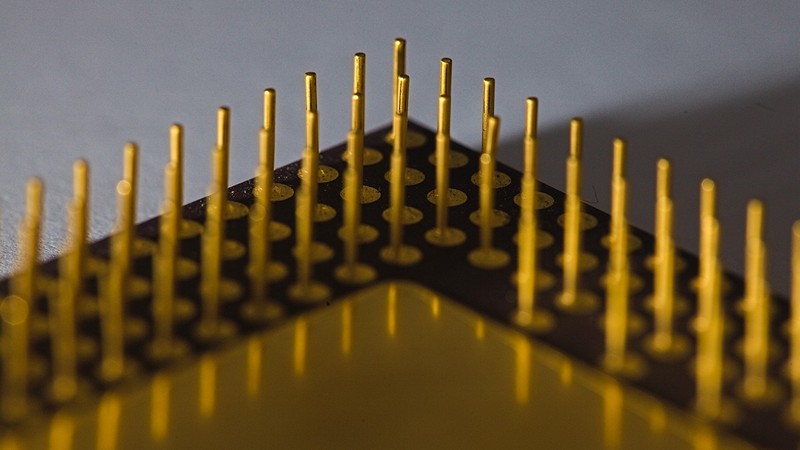
I’ve spent years talking about how fragile the global chip supply chain really is, and this new U.S. – Taiwan trade deal feels like a rare moment where long-term engineering reality is shaping policy. Taiwan committing hundreds of billions to U.S. semiconductor capacity is significant, and while tariffs usually worry me, this approach actually incentivizes fabs, tooling, and talent to move together. It is not about headlines or hype, but it is about resilience, and for hardware engineers, that matters more than almost anything else.
Siemens And NVIDIA Expand Partnership To Build The Industrial AI Operating System
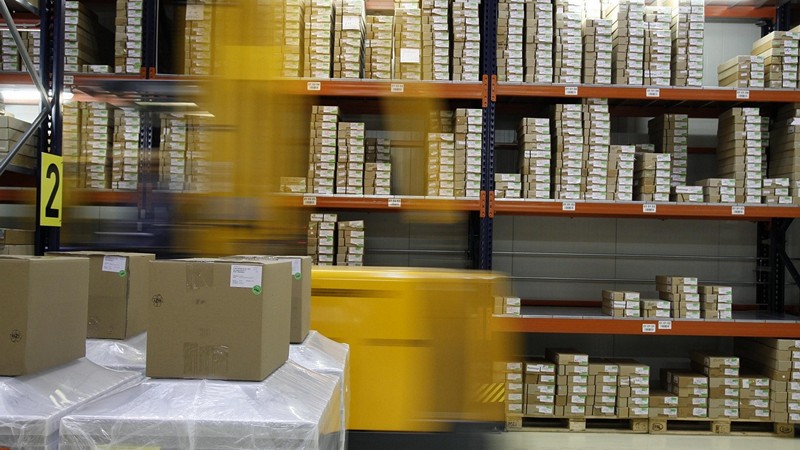
Siemens and NVIDIA are pushing AI beyond dashboards and into factories, and this expanded partnership signals a shift from theoretical AI to deployed industrial systems. By combining NVIDIA’s accelerated computing and simulation stack with Siemens’ industrial hardware and software, the companies aim to make digital twins active, adaptive, and operational. This matters because manufacturing gains come from iteration speed and reliability, and AI-driven simulation closes that gap. It is a pragmatic step toward smarter factories, and it highlights where industrial AI delivers real value.
Inside OpenAI’s Strategy For US Hardware Manufacturing

OpenAI is quietly stepping beyond software and into the hard realities of manufacturing, and its new 10-year RFP signals how seriously it views physical infrastructure. By targeting domestic production for robotics, data centres and consumer hardware, the company is acknowledging that advanced AI depends on motors, power systems and thermal design as much as models. This is an ambitious but grounded move, and it highlights how the next phase of AI innovation will be built as much in factories as in code.
Why The Price Of RAM Is Skyrocketing
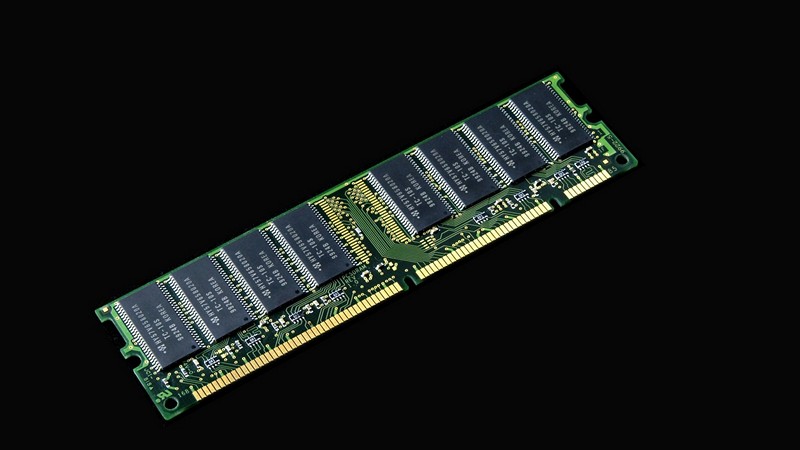
RAM prices are climbing fast, and while AI headlines usually focus on GPUs, memory is quietly becoming the real constraint. As AI data centres absorb high-bandwidth DRAM and manufacturers prioritise margins, consumer hardware is feeling the pressure and costs are flowing downstream. This matters because memory has historically become cheaper every year, and that assumption underpins modern device design. It is not a failure of technology, but it is a reminder that physical supply chains still dictate what engineers can realistically build.
Hardware Engineering News
Colorado Expands Repair Rights As Electronics Rules Take Effect
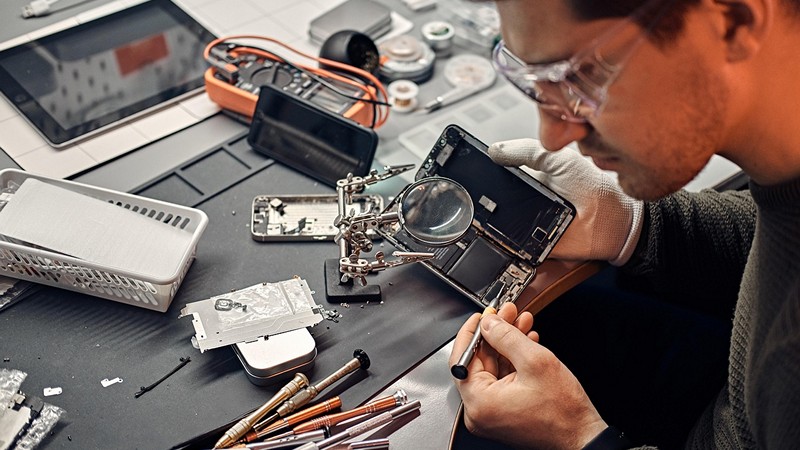
Colorado’s expanded right-to-repair law quietly marks a meaningful shift for electronics users and engineers alike, and it highlights how software control has reshaped ownership over the last decade. By requiring access to parts, tools and documentation while limiting restrictive parts pairing, the law reinforces practical repair without undermining safety or security. This is not anti-innovation, but it does rebalance incentives toward longevity and serviceability. For hardware design, it signals that repairability is becoming a first-order requirement, and not just a nice-to-have.
How Smart Manufacturing Technologies Are Transforming The Future Of Solar Panel Production

I’ve watched solar manufacturing evolve from brute-force throughput into something far more disciplined, and this shift toward precision feels overdue. As global PV capacity explodes, factories are being forced to marry automation, data and process engineering, because yield now matters as much as volume. Digital twins, machine vision and closed-loop control are not buzzwords here, and they are how new cell technologies become manufacturable at scale. It is a quietly important transition, and it shows how good engineering still wins when pressure rises.
Are Lies By Robots Ever Justified?
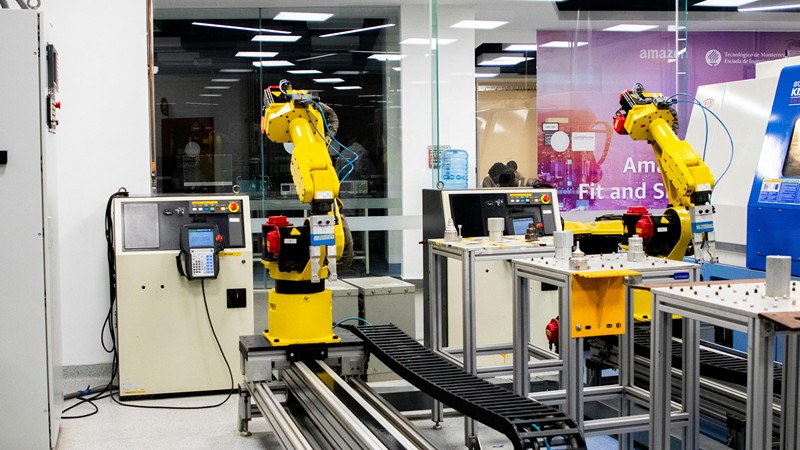
As engineers, we tend to treat honesty as a system requirement, and this study usefully shows where people draw that line with robots. Respondents accepted protective deception that reduced harm, but they rejected machines misrepresenting their own capabilities, because trust collapses quickly once a system oversells itself. That distinction matters as robots move closer to care, assistance and decision support roles. It suggests ethics in robotics will be less about abstract philosophy and more about clearly defined boundaries engineers must design for.
Hardware R&D News
This Robotic Hand Detaches, Crawls, And Reattaches
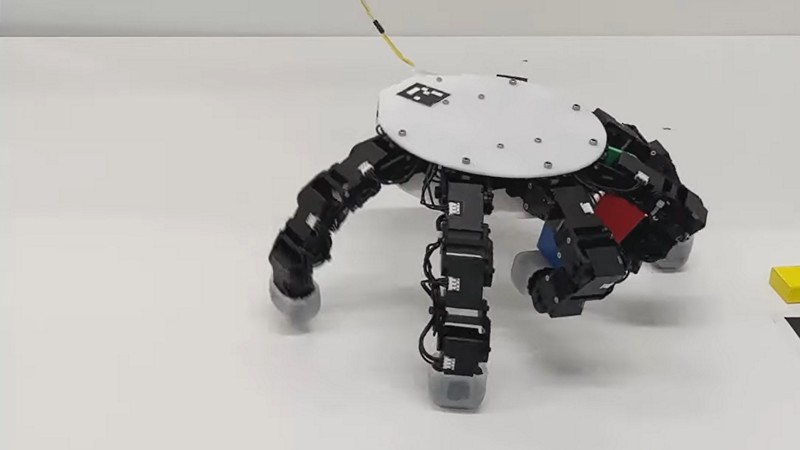
Researchers at EPFL have demonstrated a robotic hand that rethinks manipulation by separating dexterity from fixed positioning. The symmetric hand can detach from its arm, crawl using its fingers, collect multiple objects, and then reattach, all while maintaining stable grasping. By combining mechanical symmetry with integrated planning and control, the design simplifies complex motions and enables efficient multi-object handling. This approach points toward mobile manipulators that work beyond the reach of traditional arms, and it opens new possibilities for inspection, confined-space work, and adaptive industrial robotics.
AI System With Smart Eyes Detects Welding Defects
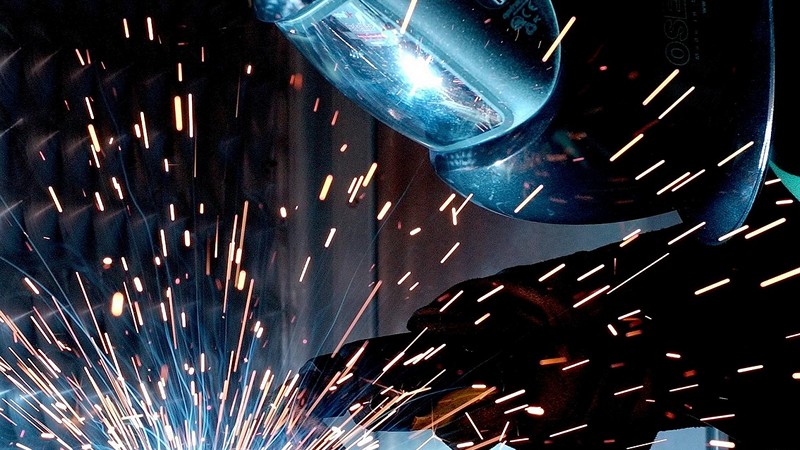
Researchers at Örebro University have developed an AI inspection system that brings real-time intelligence to welding, and it detects defects faster and more consistently than human inspection. By combining neural networks and support vector machines, the system identifies flaws across mixed metals while reducing waste and energy use. This matters for manufacturers because welding quality directly affects yield and sustainability, and automated inspection closes that gap at scale. It is a practical step toward smarter factories where quality control keeps pace with modern production speeds.
Open-Source Hardware News
Open-source Hardware To Face COVID-19 Pandemic
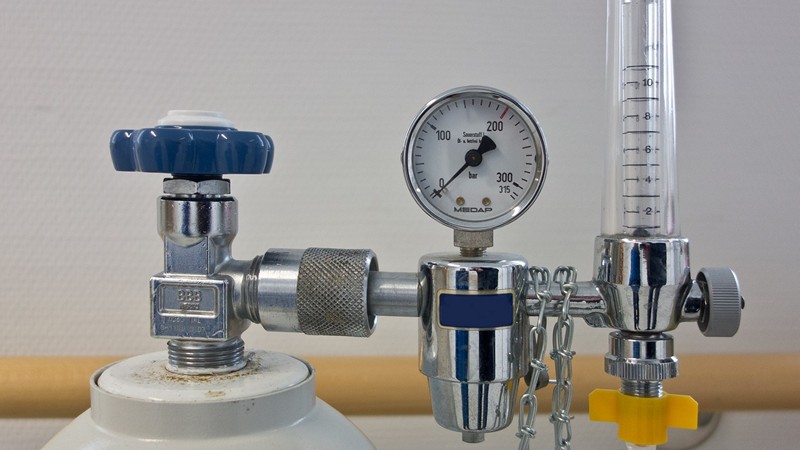
Reading this study reminded me how much open-source hardware can truly matter when the stakes are high. During COVID-19, ventilators and PPE became a question of life and death, and the potential for distributed, low-cost manufacturing was enormous. Yet, as the paper notes, many designs fell short of proper OSH standards or thorough testing, which limited their impact. It is a sad lesson for engineers looking to try and make a difference in the world: openness alone isn’t enough, but when done rigorously, open-source hardware can genuinely scale solutions under pressure, and that’s a capability I wish we had seen more of during the pandemic.