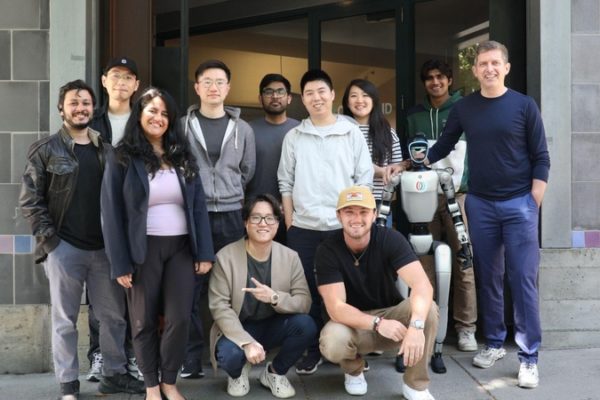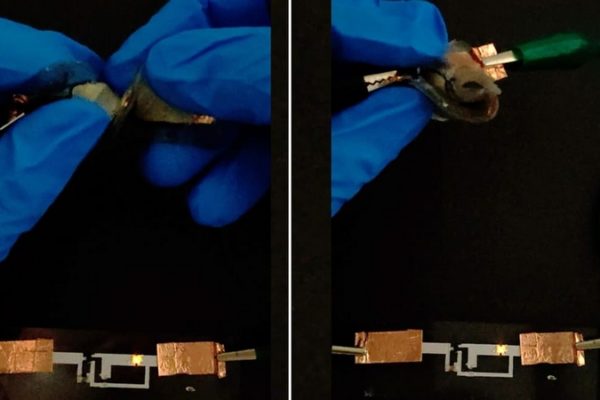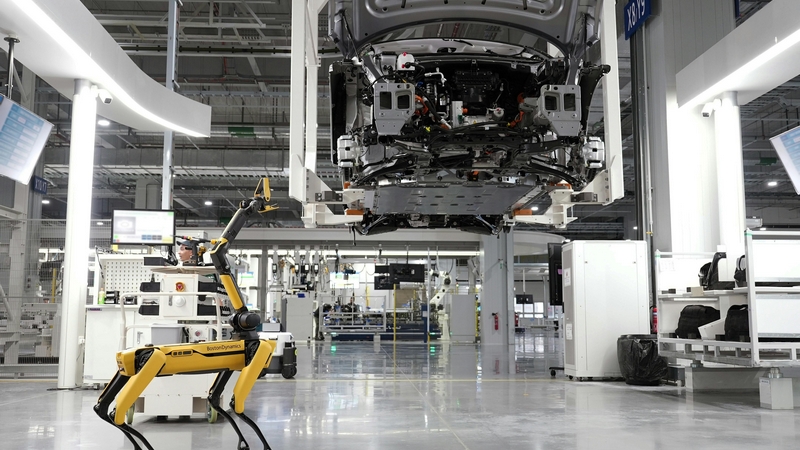
Factories without people sound like science fiction, yet physical AI is making it real. Robots that can see, understand, and act are leaving the lab and moving into warehouses, hospitals, and eventually full-scale manufacturing. What interests me most is how AI is taking on physical problem-solving. While humanoids still feel far away, task-focused machines are already proving their worth, and I think that’s where the real opportunity lies. For engineers, this shift is worth watching closely, because the combination of robotics and AI will reshape how we design, build, and even think about machines.
Top Stories This Week
- People In Factories Are The Past. Robots Take Lead
- UltiMaker Launches Secure Line 3D Printers For Defense
- Serve Robotics Acquires Assets Of Voysys To Support Autonomous Delivery
- Microsoft’s Analog Optical Computer: A Potential Solution For Energy-Efficient AI And Optimization Tasks
- Intel Could Sell Up To 49% Of Its Foundry Business To External Investors, But A Full IPO Or Spin-off Is Unlikely
- Physical AI Is Changing Manufacturing – Here’s What The Era Of Intelligent Robotics Looks Like
- Australia Just Entered The Quantum Era — And It’s A Game-changer For Semiconductors
- Robot Matches Humans In Scouting For Vineyard Diseases
- Researchers Develop ‘Glue Gun’ 3D Printer For Bone Implants
- Rolling Soft Electronics Yields 3D Brain Probes For Precise Neuron Mapping
- A Chip With ‘thousands’ Of Cores Could Change The Way Servers Are Designed – Bringing Compute Nearer To RAM Thanks To CXL Is A Lightbulb Moment
Hardware Business News
UltiMaker Launches Secure Line 3D Printers For Defense
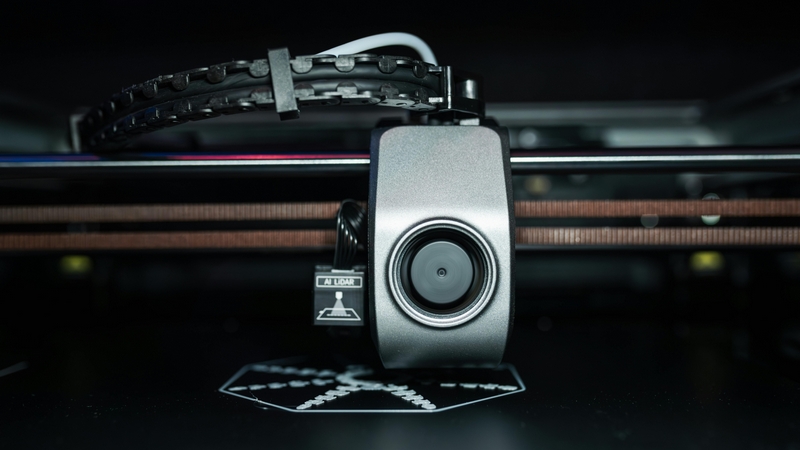
UltiMaker’s new Secure Line 3D printers are a fascinating step for defense manufacturing. By combining rugged industrial performance with strict air-gapped security, these printers allow mission-critical parts to be produced on-site, which not only speeds up operations but also reduces supply chain vulnerabilities. UltiMaker is able to balance out high-performance motion planning and multi-material printing with tamper-resistant, auditable systems. For engineers, it’s a reminder that innovation is more than just speed or precision, it’s also about trust, reliability, and designing technology for real-world stakes.
Serve Robotics Acquires Assets Of Voysys To Support Autonomous Delivery
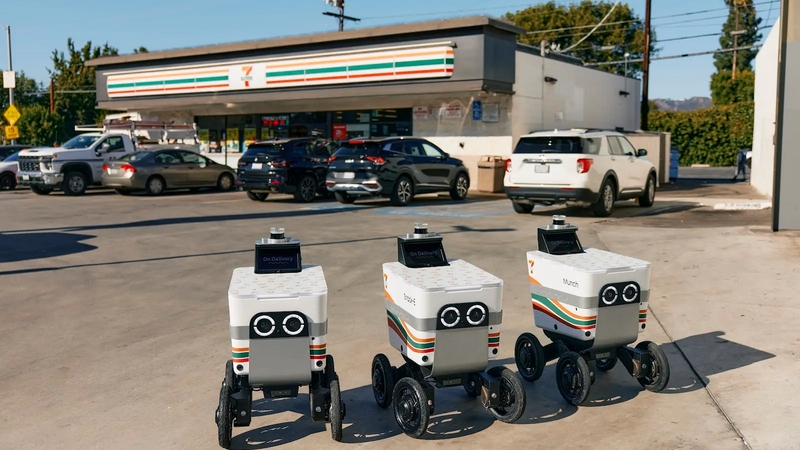
Serve Robotics’ acquisition of Voysys strengthens its ability to scale autonomous delivery robots with reliable, ultra-low-latency connectivity. By integrating Voysys’ teleoperation and video streaming technology, Serve ensures its fleet can operate safely across multiple cities while supporting Level 4 autonomy. The move also opens opportunities beyond sidewalk robots, including industrial vehicles, agricultural machines, and other autonomous systems. Combining software and hardware capabilities in this way highlights the engineering complexity behind scaling autonomous fleets, where latency, network reliability, and operational control are just as critical as the robots themselves.
Microsoft’s Analog Optical Computer: A Potential Solution For Energy-Efficient AI And Optimization Tasks

Microsoft’s analog optical computer could reshape energy efficiency in AI and optimization tasks. By combining microLED arrays, photodetectors, and analog electronics, the AOC performs matrix-vector operations and nonlinear computations on a single platform, potentially using up to 100 times less energy than traditional GPUs. Case studies, including image classification and MRI reconstruction, demonstrate its real-world capabilities, while its fixed-point architecture unifies machine learning inference with combinatorial optimization. This approach bypasses the von Neumann bottleneck and highlights a path toward sustainable, high-performance computing for industries ranging from healthcare to finance.
Intel Could Sell Up To 49% Of Its Foundry Business To External Investors, But A Full IPO Or Spin-off Is Unlikely
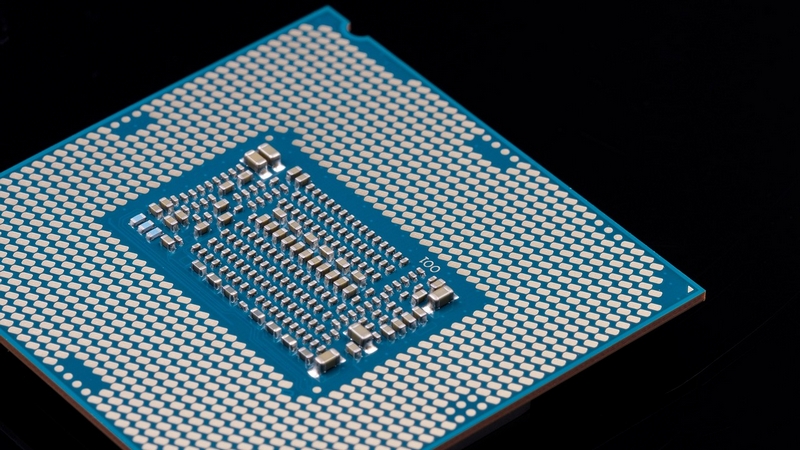
Intel’s foundry business remains under close watch, and for good reason: government agreements ensure the company retains majority control, and that has ripple effects across the semiconductor industry. While joint ventures allow Intel to raise capital and expand fabs, they also complicate potential IPOs or partial sales, which investors need to consider. From an engineering perspective, it’s impressive how Intel balances operational control, cutting-edge process technology, and financial strategy, and it shows that building advanced fabs isn’t just about circuits and cleanrooms, it’s also about navigating regulations, ownership structures, and long-term planning.
Hardware Engineering News
Physical AI Is Changing Manufacturing – Here’s What The Era Of Intelligent Robotics Looks Like
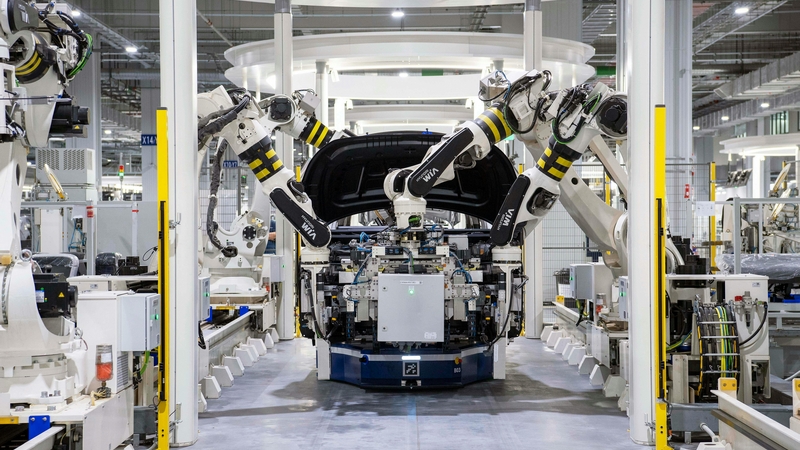
Physical AI is ushering in a new era for industrial robotics, and manufacturers are taking note as costs rise and labor gaps widen. Unlike traditional, rule-based robots, these machines perceive, learn, and adapt to complex environments, which improves flexibility and productivity while reducing deployment time. Early adopters are already seeing benefits, but the shift also emphasizes the importance of skilled teams who can train and maintain these systems. For engineers, it’s a reminder that the next phase of automation is going to involve integrating intelligence, context, and human oversight on the factory floor.
Australia Just Entered The Quantum Era — And It’s A Game-changer For Semiconductors
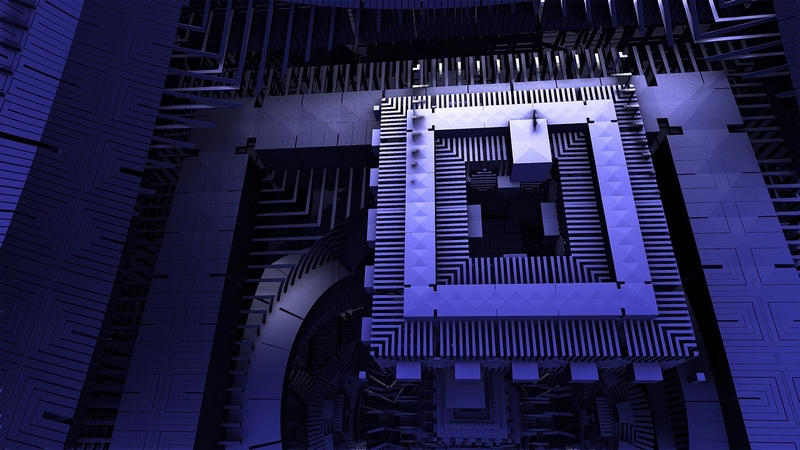
Australian researchers have applied quantum machine learning to semiconductor fabrication, marking a first for real-world devices rather than simulations. By combining a five-qubit quantum kernel with a classical regressor, their QKAR model predicted ohmic contact performance on GaN HEMTs, guiding engineers to optimize process parameters before wafer runs. This hybrid approach outperformed seven classical baselines and demonstrates that even modest quantum hardware can yield practical insights. For engineers, it highlights how quantum sensitivity and classical reliability can work together, and it’s a reminder that innovation often comes from smart integration rather than sheer computational power.
Robot Matches Humans In Scouting For Vineyard Diseases

Cornell researchers have developed the PhytoPatholoBot, an autonomous robot that scouts vineyards for grape diseases in near real time, matching the accuracy of experienced human scouts. By combining AI, canopy imaging, GPS, and remote sensing, it identifies disease type, location, and severity while minimizing labor. For growers, this means more targeted treatments, reduced chemical use, and faster insights across large vineyards, and for engineers, it demonstrates how robotics and AI can tackle complex, real-world agricultural challenges. With potential applications beyond grapes, including apples and other specialty crops, it’s a glimpse into the next generation of precision farming technology.
Hardware R&D News
Researchers Develop ‘Glue Gun’ 3D Printer For Bone Implants
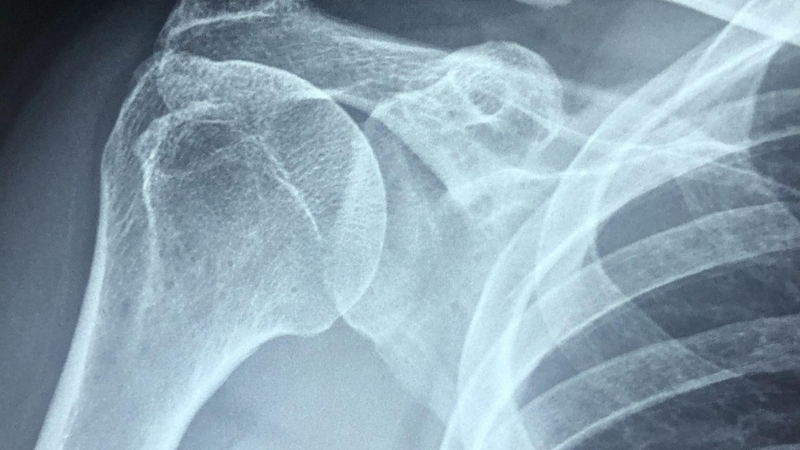
Researchers from South Korea and the U.S. have developed a 3D printing technique that could transform how complex bone fractures are treated. Using a modified glue gun, surgeons can apply a hydroxyapatite and polycaprolactone filament directly onto bones in real time, eliminating preoperative modeling and trimming. The material not only conforms to irregular fractures but also supports natural bone growth and releases antibiotics to reduce infection risk. For engineers, it’s an elegant example of adapting existing tools for medical innovation, and it shows that combining materials science, 3D printing, and practical design can deliver solutions that work inside the operating room.
Rolling Soft Electronics Yields 3D Brain Probes For Precise Neuron Mapping
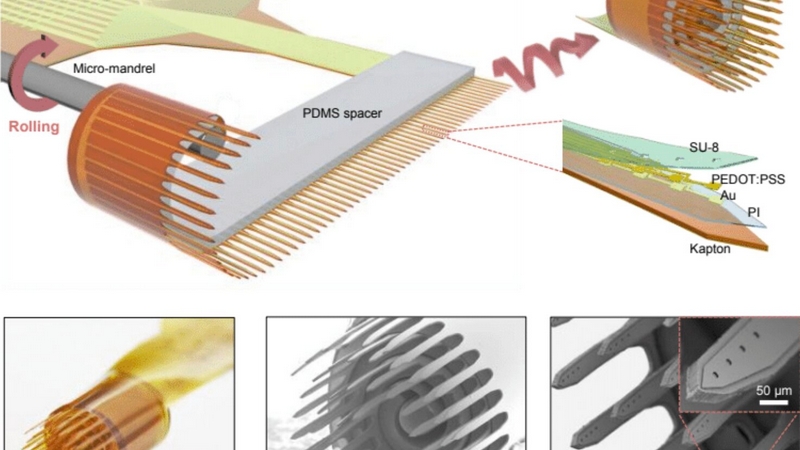
Researchers have developed ROSE probes, a soft 3D neural device created by rolling flexible electronics into cylindrical structures, enabling hundreds of electrodes to map neurons with unprecedented precision. Unlike traditional 2D probes, these devices reduce tissue stress while allowing depth profiling across complex brain circuits, and early tests in rodents show improved decoding and orientation mapping. For engineers, it’s a striking example of how creative fabrication techniques can overcome biological constraints, and it hints at applications beyond neuroscience, including motor prosthetics and bionic eyes. The work demonstrates that thoughtful integration of materials, design, and electronics can expand both understanding and capability in biomedical engineering.
Open-Source Hardware News
A Chip With ‘thousands’ Of Cores Could Change The Way Servers Are Designed – Bringing Compute Nearer To RAM Thanks To CXL Is A Lightbulb Moment
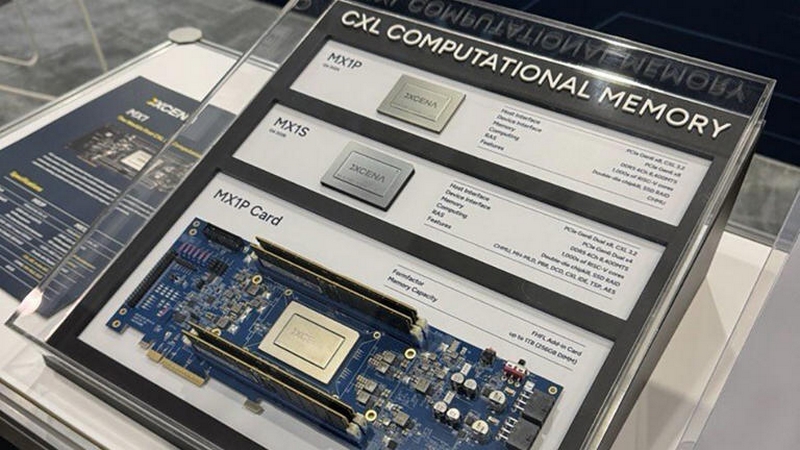
South Korean startup XCENA unveiled its MX1 Computational Memory at FMS 2025, featuring thousands of in-house RISC-V cores and near-data processing that reduces CPU-memory overhead. By placing compute directly next to DRAM, MX1 accelerates workloads like vector databases, analytics, and memory-heavy queries while supporting petabyte-scale SSD-backed expansion. The MX1P arrives later this year, with MX1S following in 2026 alongside dual PCIe Gen6 x8 links and CXL 3.2 support. Winning “Most Innovative Memory Technology,” the product demonstrates how rethinking memory architecture can boost efficiency for AI and data-intensive applications, and it signals a promising direction for server design and high-performance computing.