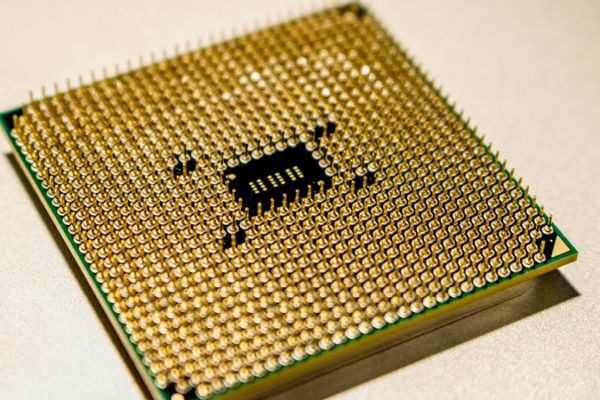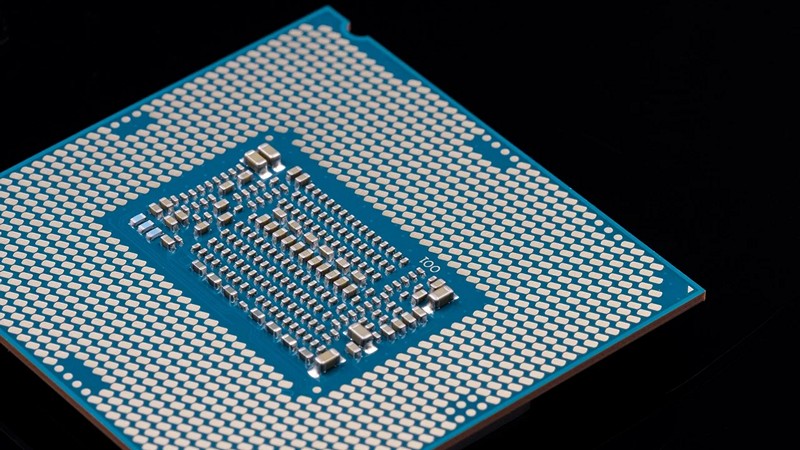
Apple’s quiet look beyond TSMC this week has certainly caught my eye because supply chains matter as much as transistor counts, and this feels like a story worth following. After years of tight coupling, Apple is testing options while AI demand reshapes foundry priorities, and that shift affects everyone building silicon. I’m cautiously optimistic because spreading risk can strengthen resilience, and lower tier chips rarely need the bleeding edge. In this story, Intel’s name surfaces again, but as a fabricator and not as a designer, and that distinction matters.
Top Stories This Week
- Apple Could Be Looking For New Chip Foundries
- Tesla’s Robotics Revolution Won’t Save It
- China Looks To Become Leader In Humanoid Robots Sector
- UT Startup To Recover Rare Earth Minerals From Industrial And E-Waste
- BYD Breaks Ground With Solid-state Battery And 10,000-cycle Sodium Pack To Power 2027 EVs
- WASP Completes Italy’s First Certified 3D Printed House Using Four Robotic Arms
- How Robotic & Minimally Invasive Surgery Is Getting Smarter
- Companies Shouldn’t Rush To Replace Workers With Robots
- Hiroshima University Cracks 3D Printing Of Ultra-hard Carbides
- New Method Can Develop Knee-like Joints In Robots, Reduces Joint Misalignment By 99%
- How Vibe Coding Is Killing Open Source
Hardware Business News
Tesla’s Robotics Revolution Won’t Save It

Tesla’s latest pivot toward robotics is an intriguing engineering story, and it hints at how far the company is willing to stretch its manufacturing playbook. While investors debate valuations, I’m more interested in what it says about Tesla’s internal priorities and technical ambition, because converting Fremont capacity into Optimus production is not a trivial move. Humanoid robots remain early, and timelines should be treated cautiously, but the underlying technologies are real and advancing. Even if the business case takes time to mature, this is a strong reminder that Tesla still thinks like a hardware company first, and that mindset often leads to unexpected outcomes.
China Looks To Become Leader In Humanoid Robots Sector

China is moving aggressively into humanoid robotics, and the scale alone makes this a story hardware engineers should watch closely. With more than 140 companies pushing robots into factories and public spaces, the effort signals serious industrial intent and not just a lab curiosity. Backed by billions in coordinated funding, this push shows embodied AI being treated as strategic infrastructure rather than a speculative bet, and that matters globally. While real productivity remains limited today, iteration at scale closes gaps faster than expected, and China’s model is built for that. The takeaway is not inevitability but momentum, and momentum in hardware often reshapes markets sooner than forecasts suggest.
UT Startup To Recover Rare Earth Minerals From Industrial And E-Waste

A new UT Austin spinout is tackling a problem that sits quietly under almost every modern electronics headline, and it is worth paying attention. Supra Elemental Recovery aims to extract high purity critical minerals from industrial and electronic waste, and it does so using a modular, low toxicity approach. As demand for gallium, lithium, and cobalt grows, domestic recovery matters because supply chains remain fragile. The technology is early, but scalable recovery from waste streams could reshape how hardware materials are sourced, and that is a genuinely interesting direction for the industry.
BYD Breaks Ground With Solid-state Battery And 10,000-cycle Sodium Pack To Power 2027 EVs

BYD’s latest battery update caught my attention because it quietly tackles two problems engineers actually care about, and it does so without excessive hype. Solid-state progress paired with a 10,000-cycle sodium pack suggests BYD is hedging chemistry risk while pushing durability hard, and that is a sensible move. I’m cautious by default, but long cycle life and realistic pilot timelines matter more than flashy energy density claims. If these numbers hold outside the lab, this work could influence EV architecture decisions well beyond China, and that makes it worth watching closely.
Hardware Engineering News
WASP Completes Italy’s First Certified 3D Printed House Using Four Robotic Arms
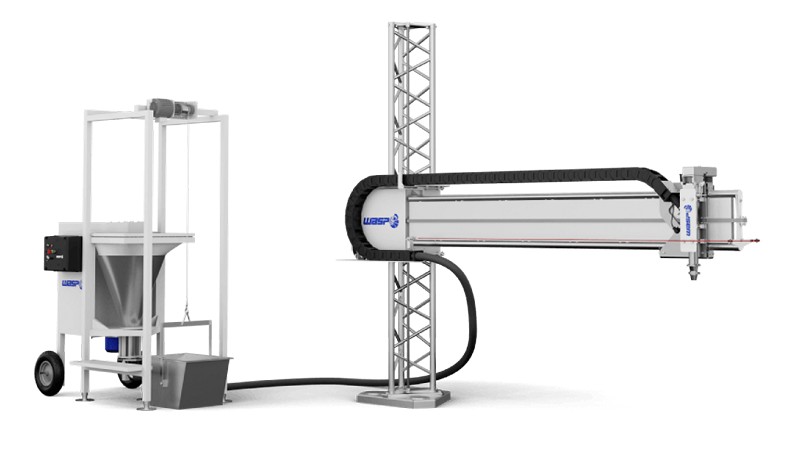
Italy now has its first certified 3D-printed house, and WASP’s Itaca project demonstrates how robotics can integrate seamlessly with sustainable design. Using a four-arm Crane WASP system, lime-based facades, and rice-husk insulation, the home regulates temperature naturally while embedding utilities during construction. Passive ventilation and vertical hydroponics create a self-sufficient micro-economy, showing that additive manufacturing can go beyond novelty into practical, energy-efficient living spaces. The approach leverages local materials, adaptable digital construction files, and coordinated robotics, highlighting a scalable model for resilient housing that blends technology, tradition, and sustainability.
How Robotic & Minimally Invasive Surgery Is Getting Smarter
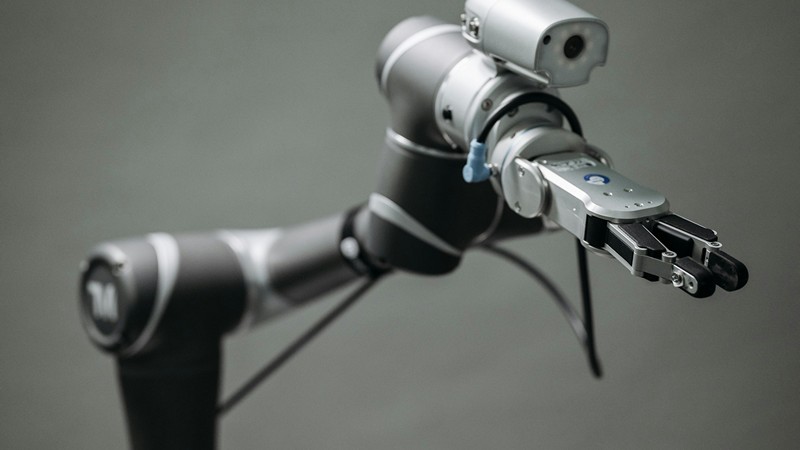
AI and robotics are quietly reshaping heart surgery, and the results are tangible for patients. By combining preoperative digital twins, real-time AI guidance, and robotic precision, surgeons can operate through tiny incisions with unprecedented safety and accuracy. This shift towards robotic surgery, however, isn’t about replacing human skill, but instead, enhancing it, and early studies show less pain, faster recovery, and fewer complications. While adoption remains limited by cost and training, the trajectory points toward predictive, personalized care. This integration of AI into surgery demonstrates how technology can elevate outcomes when paired thoughtfully with human expertise.
Companies Shouldn’t Rush To Replace Workers With Robots
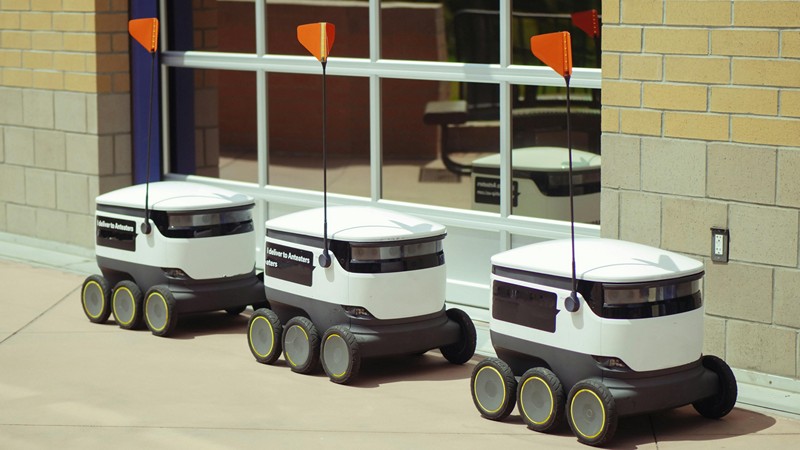
U.S. companies are accelerating automation, but the real lesson to be learned here isn’t replacing humans; it’s designing collaboration. Amazon’s push to automate 75% of operations and Hyundai’s new robots highlight scale, yet studies show that over-reliance on these machines risks brittleness and commoditized performance. Thus, the competitive edge comes from combining human judgment, adaptability, and creativity with robotic precision and speed. So, should we rush to replace humans, or should we hold off for now? Read this brilliant article to find the answer.
Hardware R&D News
Hiroshima University Cracks 3D Printing Of Ultra-hard Carbides

Hiroshima University researchers are tackling one of industry’s toughest materials with a fresh 3D printing approach. By combining additive manufacturing with hot-wire laser irradiation, they can deposit tungsten carbide–cobalt precisely without fully melting it, cutting waste while keeping hardness above 1400 HV. Two methods, rod-leading and laser-leading, show promise, though challenges with cracking and microstructure remain. Introducing a nickel-alloy interlayer helped stabilize hardness, pointing toward more reliable builds. This technique could redefine production of cutting tools and mining components, enabling custom designs and lower costs, while opening the door for other ultra-hard materials to be printed on demand.
New Method Can Develop Knee-like Joints In Robots, Reduces Joint Misalignment By 99%
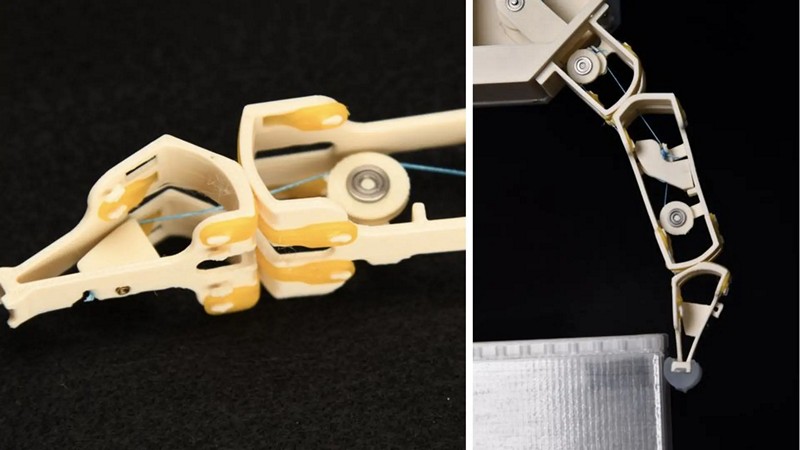
Robots are learning to bend like us, and Harvard’s latest method proves it, as rolling contact joints now cut misalignment by 99%, and that’s worth a closer look. By adjusting every component of a joint to match force and motion requirements, researchers created prototypes that mimic real knee paths, and it’s impressive how efficiency and precision improve when mechanics do the heavy lifting. As someone who appreciates elegant engineering, I see this as a glimpse of future exoskeletons and grippers that aren’t just functional but smarter, and it reminds me that careful design still beats brute force.
Open-Source Hardware News
How Vibe Coding Is Killing Open Source

Vibe coding is seductive, but I can’t help feeling uneasy about its impact on Open Source, and this latest study only confirms my suspicions. By letting LLMs churn out code, developers risk losing touch with the libraries and tools they rely on, and the OSS community itself may quietly wither. I’ve seen firsthand how hands-on experience builds intuition, and no chatbot can replicate that, and that’s why this trend feels like a short-term convenience with long-term consequences. It’s efficient for writing, yes, but it’s eroding the muscle memory and understanding that make real engineers.