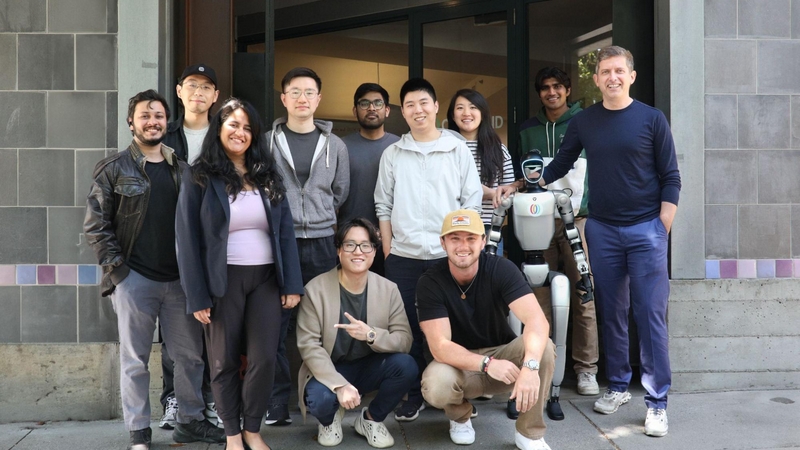
OpenMind’s ambition to become the “Android” of humanoid robots signals a notable shift in robotics, one where software and human-like interaction take center stage. Their focus on open, hardware-agnostic systems that allow machines to learn and collaborate quickly, is crucial for real-world adaptability. While the idea of robots sharing knowledge instantly is exciting, it’s also a reminder that the technology must remain practical and reliable. OpenMind’s approach of rapid iteration shows promise, and it’s worth watching how these systems evolve as they enter homes and daily life.
Top Stories This Week
- OpenMind Wants To Be The Android Operating System Of Humanoid Robots
- 3D Printing Set To Slash Nuclear Plant Build Times & Costs
- AI And Robotics-powered Microfactory Rebuilds Homes Lost To The California Wildfires
- Samsung Electronics Launches ‘InnoX Lab’ For AI And Robotics
- Siemens Introduces The Sinumerik Machine Tool Robot
- AI Discovered Five Materials That Could Replace Lithium In Batteries
- DissolvPCB Enables Fully Recyclable 3D-printed Circuit Boards With Liquid Metal Conductors
- Japan Unveils Its First Fully Domestically Developed Quantum Computer
- This New Titanium Alloy Is 29% Cheaper, And Even Stronger
- Chinese Scientists Develop New Material For Organic Solar Cells
- Open-Source, Flexible E-Reader
Hardware Business News
3D Printing Set To Slash Nuclear Plant Build Times & Costs

The Oak Ridge National Laboratory’s breakthrough in 3D-printed polymer composite forms for nuclear concrete structures is a game-changer for infrastructure. As an engineer, I value how this innovation cuts weeks to days in production, while maintaining precision and strength, no small feat when dealing with nuclear-grade materials. It’s refreshing to see additive manufacturing applied to such a critical and traditionally slow sector, proving that practical, scalable solutions can come from bold collaboration. This approach promises to reduce costs and risks, accelerating nuclear projects that America urgently needs for its energy future.
AI And Robotics-powered Microfactory Rebuilds Homes Lost To The California Wildfires
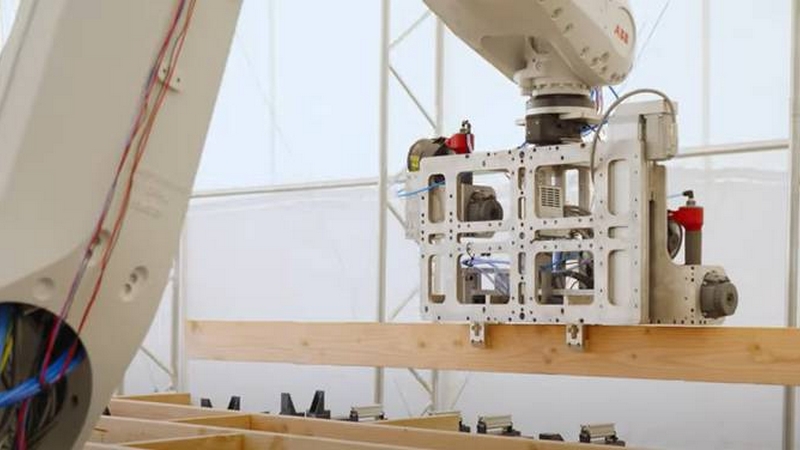
Rebuilding wildfire-ravaged California homes with AI-powered microfactories shows how technology can meet urgent, real-world needs. ABB and Cosmic Buildings’ robotic microfactories, using digital twins and AI, accelerate construction while ensuring precision and quality, a crucial balance when lives and communities depend on speed and safety. This use of AI and robotics undoubtedly cuts costs and timelines without sacrificing code compliance or resilience, something which is desperately needed. This project is a clear example of smart engineering tackling complex challenges with practical solutions.
Samsung Electronics Launches ‘InnoX Lab’ For AI And Robotics

Samsung Electronics has launched InnoX Lab to push the boundaries of AI, robotics, and digital twins, and it’s hard not to appreciate the focus on practical innovation rather than hype. While many chase flashy tech, Samsung is assembling experts to solve real, complex problems across manufacturing and logistics, which is exactly the kind of measured progress our industry needs. I respect their approach because it balances bold ambition with clear, strategic execution, something often missing in today’s fast-moving AI race. Keep an eye on this lab, as it might just shape the future of hardware engineering in ways that matter.
Siemens Introduces The Sinumerik Machine Tool Robot
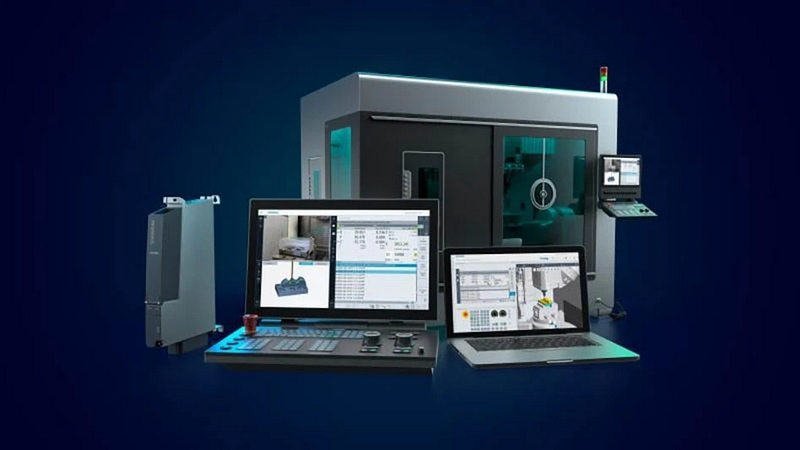
Siemens is raising the bar in industrial robotics with the new Sinumerik Machine Tool Robot, which blends the precision of machine tools with the flexibility of robots. This leap in accuracy and productivity isn’t just incremental, it’s a game changer for sectors like aerospace and automotive that demand tough machining and high precision. What I find notable is Siemens’ use of digital twins and their Sinumerik One CNC to simulate workflows before production, showing a practical, efficient mindset rather than just flashy tech. It’s an innovation worth watching for engineers serious about precision and productivity.
Hardware Engineering News
AI Discovered Five Materials That Could Replace Lithium In Batteries

Lithium batteries power much of today’s tech, but their supply chain is fragile and geopolitically risky, which often gets overlooked. Researchers at NJIT used AI to discover five promising multivalent-ion battery materials that could bypass lithium’s limits by using more abundant elements like magnesium and zinc. While this breakthrough shows real promise, I believe the bigger challenge isn’t just swapping lithium but rethinking battery design to prioritize fast charging and realistic range over sheer capacity. That practical mindset may ultimately shape the future of electrification more than chasing the highest energy density.
DissolvPCB Enables Fully Recyclable 3D-printed Circuit Boards With Liquid Metal Conductors
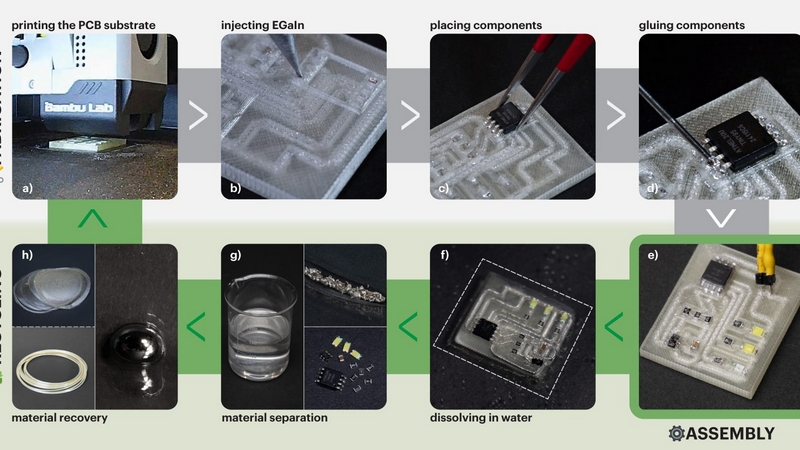
Recycling electronics has long been a stubborn challenge, but researchers from Maryland, Georgia Tech, and Notre Dame are changing that with DissolvPCB, a 3D printing method using water-soluble PVA and liquid metal traces. This approach lets you dissolve and reclaim circuit components quickly, bypassing the complex industrial recycling of traditional FR-4 boards. Beyond sustainability, it’s practical for prototyping spaces with limited resources. While it won’t replace high-volume manufacturing overnight, DissolvPCB highlights how additive manufacturing and clever material choices can reshape electronics design.
Japan Unveils Its First Fully Domestically Developed Quantum Computer

Japan just announced its first fully homegrown superconducting quantum computer, and it’s a clear sign of real engineering independence. What impresses me isn’t just the hardware, crafted entirely domestically, but also the open-source software that makes the system accessible. While quantum tech still faces many challenges, Japan’s integrated approach shows how national focus can reduce reliance on foreign supply chains and boost innovation. It’s a strong reminder that cutting-edge progress doesn’t need sprawling governments or imports, but disciplined expertise and collaboration. If you follow hardware engineering, this is definitely a milestone worth watching closely.
Hardware R&D News
This New Titanium Alloy Is 29% Cheaper, And Even Stronger
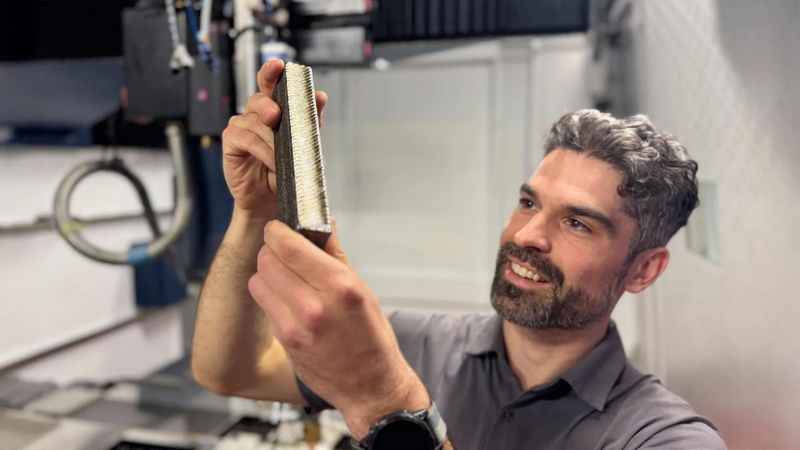
Australia’s RMIT team just cracked a major hurdle in 3D-printed titanium alloys by cutting costs nearly a third while boosting strength and ductility. They’ve replaced pricey vanadium with cheaper elements and solved the troublesome uneven grain structure common in legacy alloys like Ti-6Al-4V. What stands out is their clear, practical framework for designing alloys optimized for additive manufacturing, a step that could finally push 3D printing into broader aerospace and medical use. This isn’t just incremental improvement; it’s a genuine leap forward. It reminds us that smart material innovation still drives real progress in hardware engineering.
Chinese Scientists Develop New Material For Organic Solar Cells

China’s latest organic solar cell breakthrough tackles a stubborn bottleneck in interfacial layers by combining organic and inorganic materials for a “dual-component synergy.” This approach improves conductivity, reduces defects, and curbs charge recombination, pushing certified efficiency to 20.8%, a new record. What’s compelling here is the focus on flexible, lightweight, and eco-friendly power sources for wearable tech, aerospace, and harsh environments. It’s a clear example of how smart materials engineering can drive practical advances in sustainable energy, which is crucial as we seek scalable solutions beyond traditional silicon-based solar cells.
Open-Source Hardware News
Open-Source, Flexible E-Reader

Not all e-readers are created equal, and the ZEReader proves that less can be more. Born from an engineering thesis, this open-source, microcontroller-based device strips away the bloat of Android or Linux systems, and Amazon’s ecosystem,, focusing solely on reading. Built on the lightweight Zephyr RTOS, it supports basic EPUB functions with room to grow. As someone who appreciates efficiency and user control, I see real promise here: a device tailored for purpose, free from corporate strings, and designed to last. It’s a reminder that sometimes, engineering elegance beats flashy features every time.