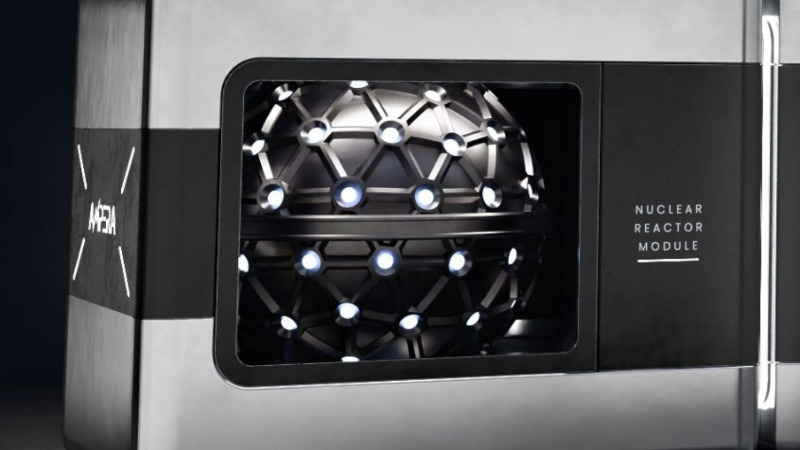
AMPERA has unveiled the world’s first full-scale 3D-printed nuclear reactor module, aiming to deliver 30 MW factory-built microreactors using thorium fuel. With this approach, we could finally accelerate the deployment of localized, long-life nuclear power for demanding sectors and energy needs in general.
Top Stories This Week
- World’s First 3D-printed Nuclear Reactor Module Unveiled By US Firm
- Nuclear Fusion Gets Major Push To Manage Rare Tritium For Commercial Reactors
- Oxmiq Raises $35m To Develop Custom AI Tech Stack
- California-based Semiconductor Company Lands $24.2M Grant For DFW Manufacturing Facility
- Cheap Chinese Chips Could Offer Way Out Of RAM Price Crisis, Apple Suggests
- US Navy Tests 3D-printed Composite Patches To Speed Up F/A-18 Fighter Jet Repairs
- The Secret To Marathon-Winning Humanoid Robots
- Chinese University Creates 3D Chip Design Tool For Huawei’s Logic Folding Architecture
- Engineers Create 3D-printed Robotic Fish That Swim, Play And Recharge Themselves
- Discovery Helps Explain Why Solid-state Batteries Often Fail
- Working Prototype Of Open-source Printer That Promises User-repairability And No Subscriptions
Hardware Business News
Nuclear Fusion Gets Major Push To Manage Rare Tritium For Commercial Reactors
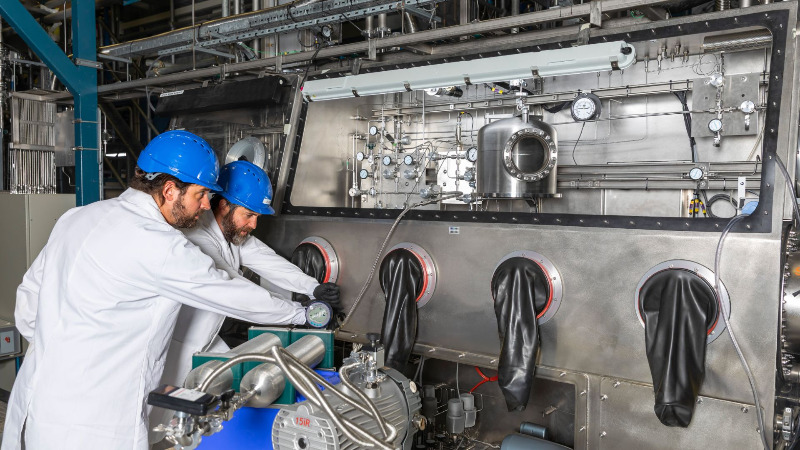
Managing tritium, a scarce but crucial fusion fuel, is getting focused attention as the UK Atomic Energy Authority and Eni launch RH3OVA to deliver specialized engineering services for commercial reactors. Could we be moving towards solving complex technical and regulatory hurdles in fusion energy, creating a new clean future?
Oxmiq Raises $35m To Develop Custom AI Tech Stack

Oxmiq has secured $35 million in Series A funding to advance a licensable AI chip and software stack, aiming to position itself as a key technology provider for data centers. With roots in GPU engineering and a business model reminiscent of ARM, this move could influence how AI infrastructure is developed and deployed globally.
California-based Semiconductor Company Lands $24.2M Grant For DFW Manufacturing Facility
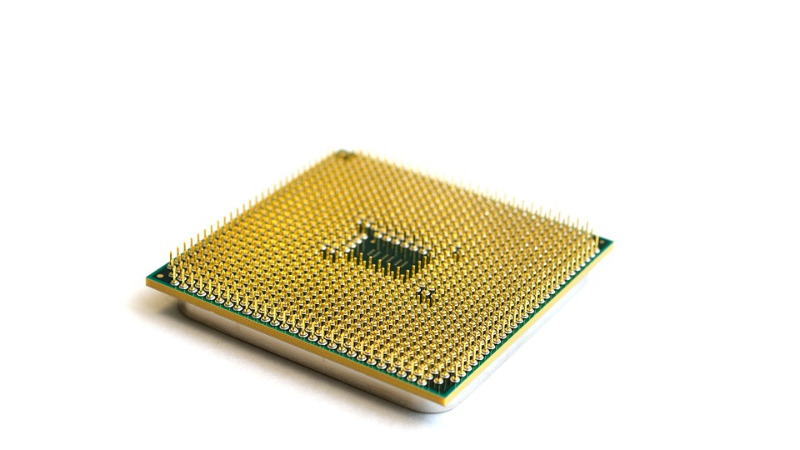
FormFactor has secured a $24.2 million grant from Texas to expand its semiconductor probe card manufacturing facility in Farmers Branch, supporting a larger $140 million investment and the creation of 600 jobs. Does this funding hint at ongoing industry momentum as companies continue to invest in advanced test hardware critical to modern electronics?
Cheap Chinese Chips Could Offer Way Out Of RAM Price Crisis, Apple Suggests

With memory chips in short supply, Apple is supposedly considering getting RAM from Chinese chipmakers CXMT and YMTC. While engineers may see minimal direct technical risk, such supply chains could be under threat from evolving regulatory landscape and supply chain transparency requirements.
Hardware Engineering News
US Navy Tests 3D-printed Composite Patches To Speed Up F/A-18 Fighter Jet Repairs

The US Navy is testing 3D-printed composite patches that can be manufactured and applied directly to F/A-18 Super Hornets, aiming to reduce repair times by about 50 percent while maintaining structural integrity under operational stresses. As these patches move from lab validation to live flight trials, does such approaches mark a major shift in how front-line aircraft are maintained at remote bases?
The Secret To Marathon-Winning Humanoid Robots

Honor’s Lightning humanoid robot ran a half-marathon in just over 50 minutes, outpacing the human world record by leveraging optimized gear ratios and a notably advanced liquid-cooling system in its motors. While not a revolution in robotics, this engineering dive shows how thermal management and drivetrain tuning can push robots into performance realms previously reserved for humans.
Chinese University Creates 3D Chip Design Tool For Huawei’s Logic Folding Architecture
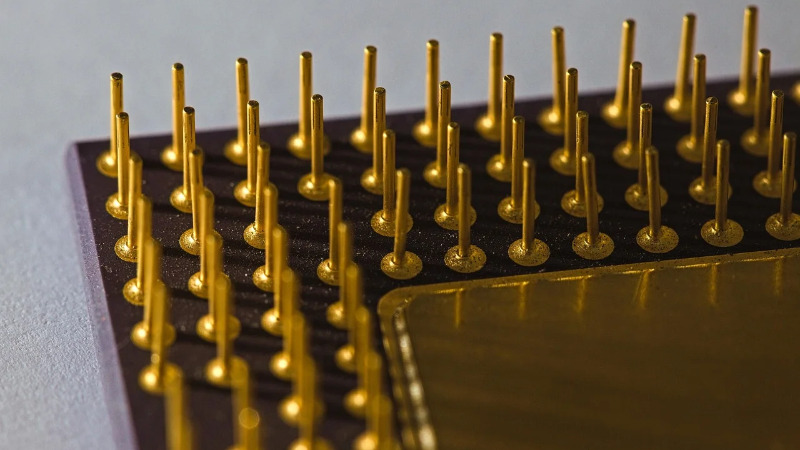
Peking University has developed an EDA tool specifically for Huawei’s LogicFolding 3D chip architecture, shifting chip design from traditional 2D layers to a unified 3D structure. Given time, such software will change how we do vertical semiconductor integration, addressing the complex challenges engineers face when moving beyond planar designs.
Hardware R&D News
Engineers Create 3D-printed Robotic Fish That Swim, Play And Recharge Themselves

Two engineers have unveiled 3D-printed robotic fish that autonomously swim, interact, and recharge themselves using Arduino and Raspberry Pi controls. Could integration of automated navigation and wireless charging systems reveal interesting possibilities for maintenance-free aquatic displays and future robotics?
Discovery Helps Explain Why Solid-state Batteries Often Fail
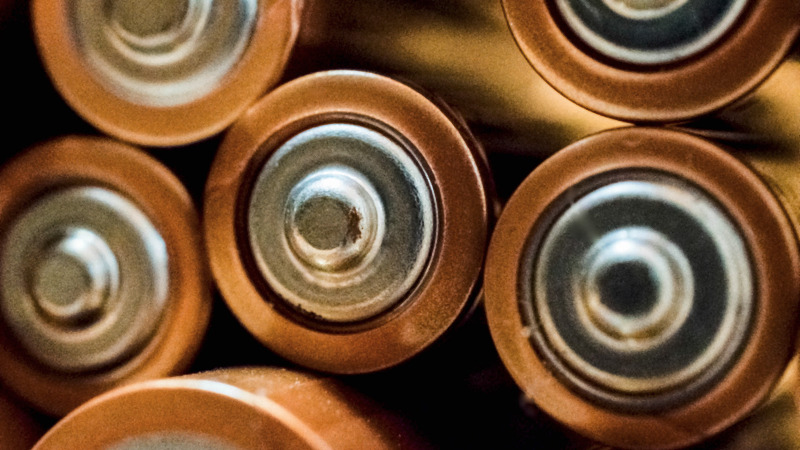
Researchers at MIT and the Technical University of Munich have pinpointed hidden electrical imbalances at grain boundaries as a key reason solid-state batteries develop lithium dendrites and fail. Their findings open up new possibilities for engineering longer-lasting, faster-charging batteries, which could be a significant step forward for advanced energy storage.
Open-Source Hardware News
Working Prototype Of Open-source Printer That Promises User-repairability And No Subscriptions
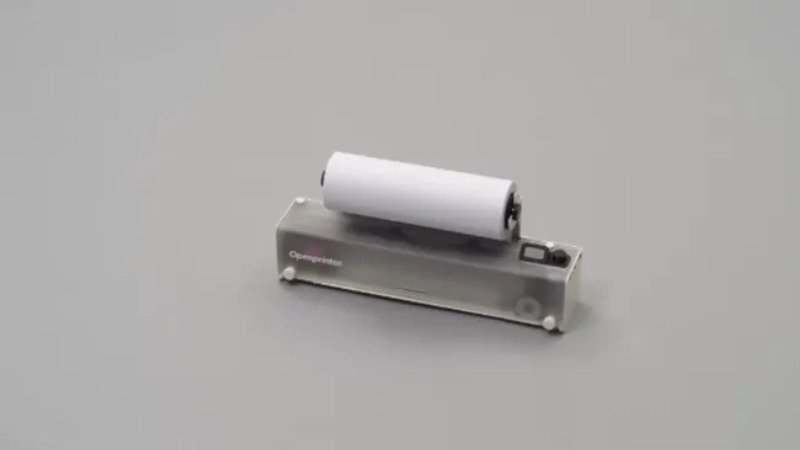
Open Tools has revealed a working prototype of its open-source, repairable inkjet printer running on a Raspberry Pi Zero W and refillable HP cartridges. But how will its long-term viability fare in a world where all companies now chase subscriptions?