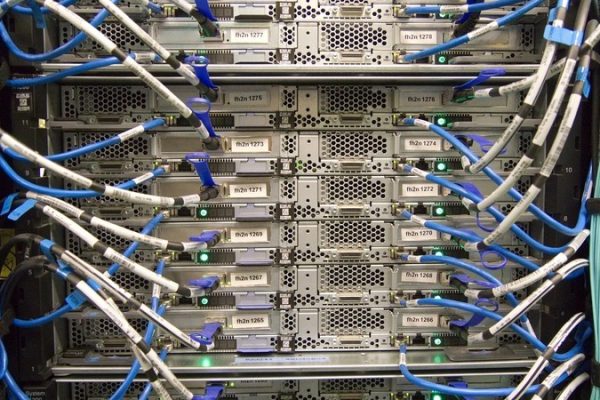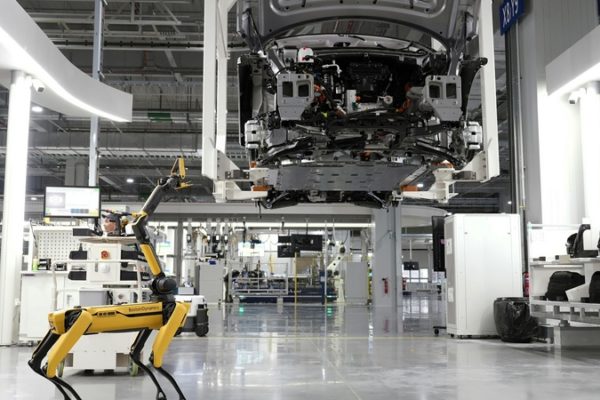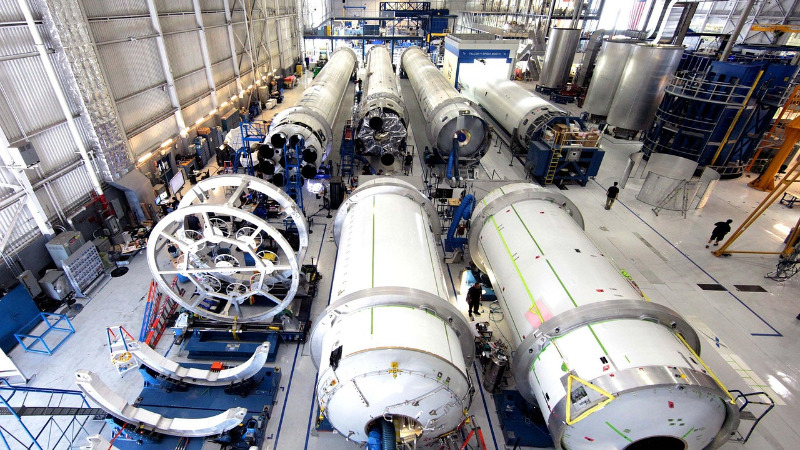
SpaceX’s impending public debut, with $75bn raised ahead of the IPO, is attracting significant attention from both institutional and individual investors. The company’s valuation,nearly $1.8tn,would place it among the world’s most valuable firms immediately, yet its future stock performance will depend on market demand after trading begins. While some analysts predict higher prices, it’s worth noting that Elon Musk’s high level of control is unusual for a public company.
Top Stories This Week
- Elon Musk’s SpaceX Raises $75bn Ahead Of World’s Biggest Stock Market Launch
- NEURA Robotics To Raise Up To $1.4B In Series C Funding For Physical AI
- General Motors Taps New Battery Tech To Help Power Data Centers
- China Struggling To Find Robot Buyers
- Standard Bots Raises $200 Million To Bring Jobs Back To US Via Robots
- 3D-printed Devices Could Streamline The Production Of Drug-delivery Microparticles
- 3D Printing Has Moved Beyond Prototyping, So Why Is Volume Production Still So Difficult?
- How Cobots And AI Are Being Used To Revive Coral Reefs
- Researchers Create Multi-Function Transistor That Could Shrink Designs By 75%
- MIT Researchers Made A Wristband To Teach Robots How To Do Housework And Surgery
- UK Government Introduces New Backing For Open-source AI Builders
Hardware Business News
NEURA Robotics To Raise Up To $1.4B In Series C Funding For Physical AI
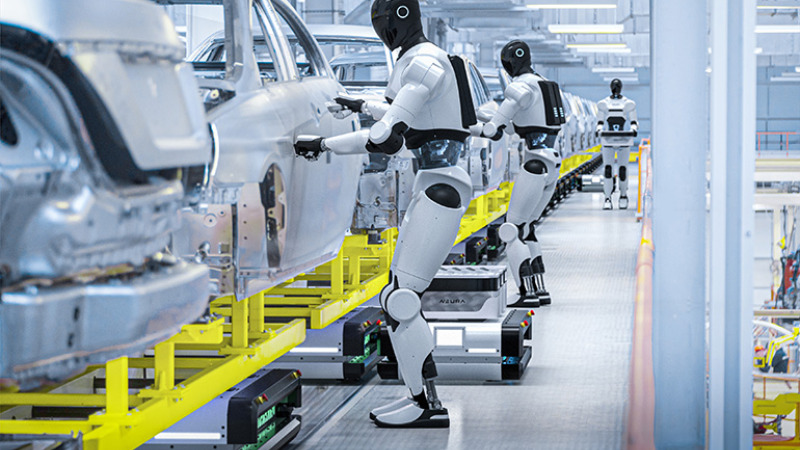
Investor confidence in physical AI continues, as NEURA Robotics announced a potential $1.4 billion Series C funding round aimed at advancing cognitive robotics. The company’s focus on platforms like Neuraverse and NEURA Gyms indicates a strong shift toward collaborative, learning-enabled machines for real-world applications. As an engineer, I see this as a real major step for robotics, though the practical impact will hinge on successful execution and real-world deployment.
General Motors Taps New Battery Tech To Help Power Data Centers
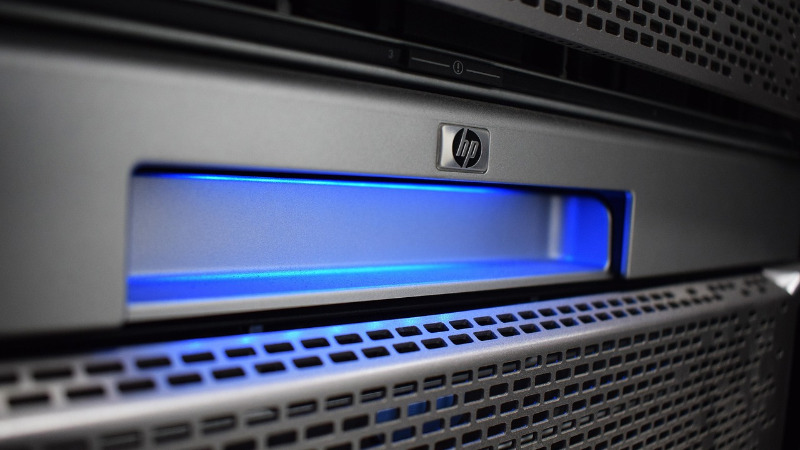
General Motors is now exploring sodium-ion battery technologies to support the growing energy needs of data centers, partnering with startup Peak Energy in this effort. Sodium, a widely available material, offers potential for more affordable, resilient battery systems, though its higher weight limits its use in electric vehicles. This move is especially noteworthy as it demonstrates GM’s strategic shift toward broader battery applications, leveraging their expertise while addressing a clear industrial demand for reliable, cost-effective energy storage solutions.
China Struggling To Find Robot Buyers
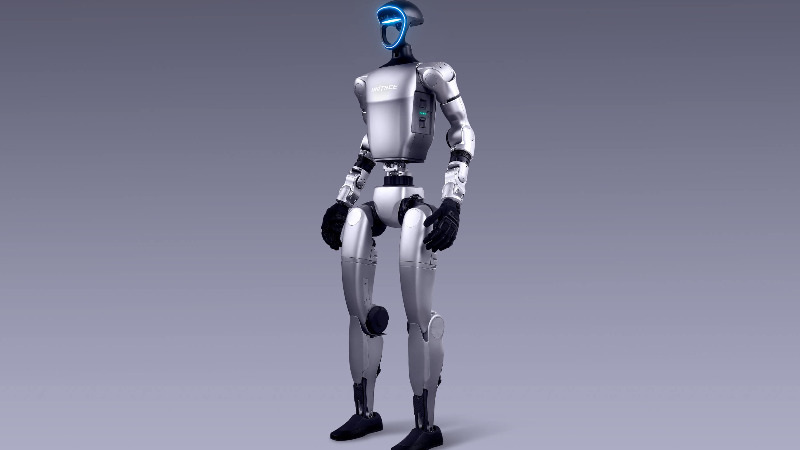
China’s humanoid robot sector is scaling up rapidly, yet real-world demand is not keeping pace with manufacturing capacity. While companies like Matrix Robotics and EngineAI report thousands of orders from state and private sectors, most robots remain expensive and limited to controlled tasks or demonstrations. China’s lead in hardware and production is clear, but achieving broad commercial viability will require both technical and economic progress.
Standard Bots Raises $200 Million To Bring Jobs Back To US Via Robots
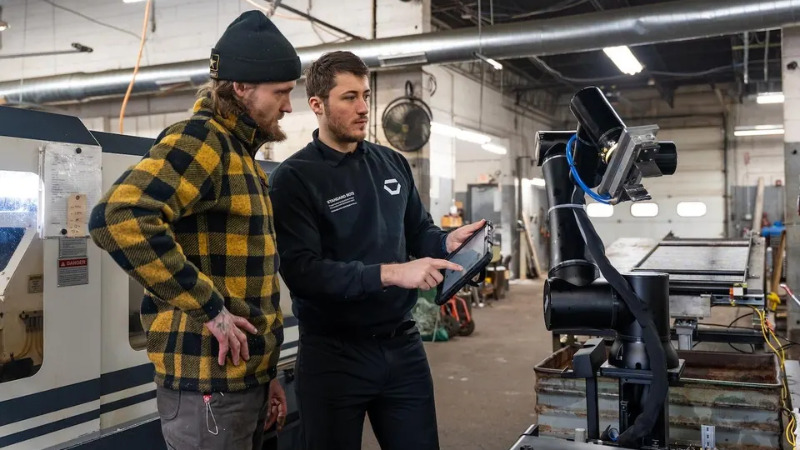
Can a surge in robotics funding actually revive American manufacturing jobs? Standard Bots has secured $200 million in Series C funding at a $1 billion valuation, aiming to deliver 10% of new U.S. industrial robot deployments by next year. Their AI-native robots, teachable by demonstration rather than code, could lower barriers for smaller manufacturers. While research suggests robots have the potential to boost job postings and productivity at adopting firms, broader labor impacts still remain extremely complex.
Hardware Engineering News
3D-printed Devices Could Streamline The Production Of Drug-delivery Microparticles
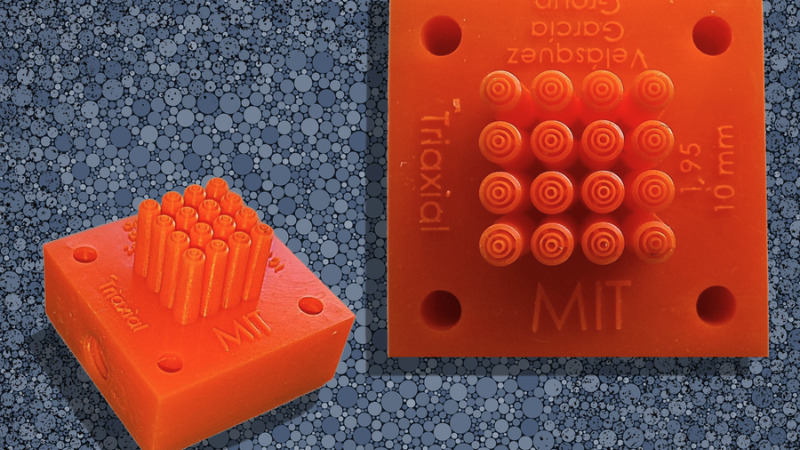
The potential to 3D-print arrays of triaxial electrospray emitters is an interesting step for drug-delivery technology, as MIT researchers have demonstrated a cost-effective way to produce these intricate devices in just hours. By using vat photopolymerization, they crafted 16-nozzle arrays with precise internal microchannels, achieving uniform three-layer microdroplets essential for applications like biosensors and tissue engineering.
3D Printing Has Moved Beyond Prototyping, So Why Is Volume Production Still So Difficult?
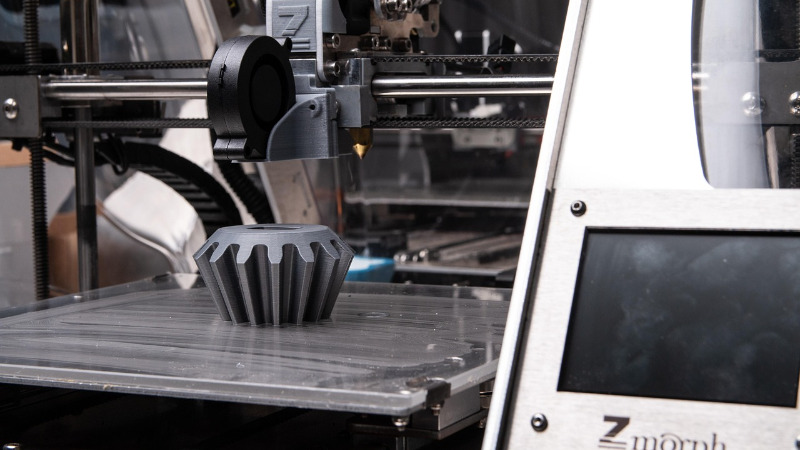
Although 3D printing has clearly advanced beyond prototyping, scaling it for true volume production remains a persistent challenge. While the technology enables complex geometries and custom solutions in areas like aerospace and medical devices, traditional manufacturing methods still outperform it in speed, cost, and consistency at scale. As an engineer, I see 3D printing as a valuable tool, but its strengths lie in flexibility and customization rather than mass production, where existing processes continue to hold a practical edge.
How Cobots And AI Are Being Used To Revive Coral Reefs
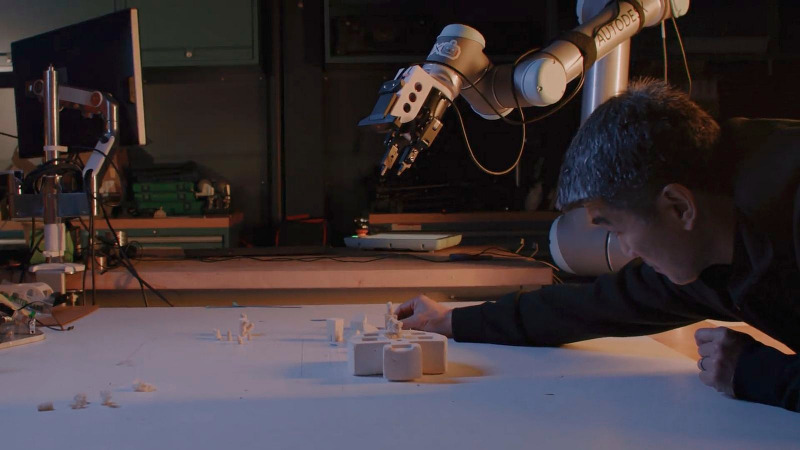
It’s not often we see robotics and AI directly tackling environmental challenges, yet Coral Maker and Autodesk are doing just that in Australia’s coral reefs. By employing collaborative robots with AI and vision systems, they’re automating the propagation of coral fragments, a process previously limited by manual labor and scalability constraints. While early days, this approach could represent a significant shift in how we address large-scale environmental repair.
Hardware R&D News
Researchers Create Multi-Function Transistor That Could Shrink Designs By 75%
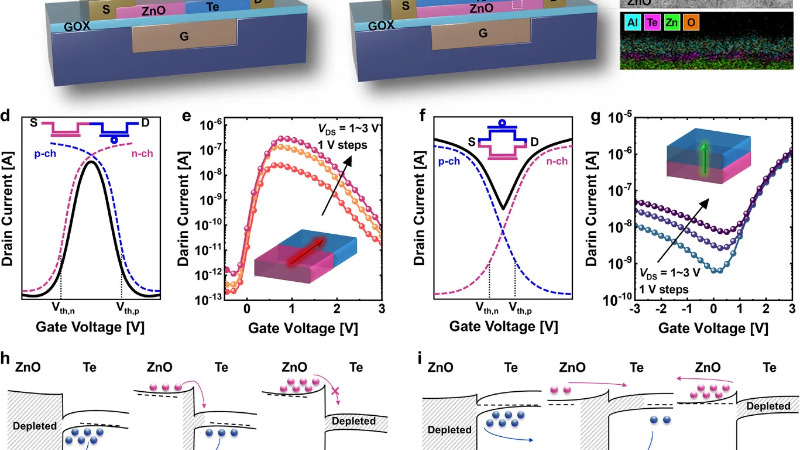
Rethinking how we pack more functionality into chips, researchers at POSTECH have developed a multi-function transistor that could cut circuit complexity by up to 75%. Using zinc oxide and tellurium, their heterojunction device operates at low temperatures and shows double negative differential transconductance, letting one transistor take on two roles. While this approach won’t replace traditional CMOS logic, it points toward intriguing options for multi-level logic and denser designs. It’s still early days, but I see real potential here, provided challenges like noise and integration can be addressed in future work.
MIT Researchers Made A Wristband To Teach Robots How To Do Housework And Surgery
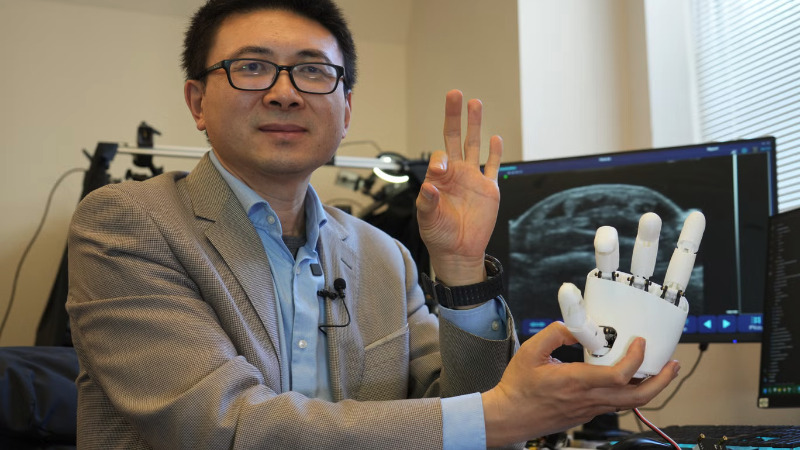
Teaching robots to handle delicate tasks may have just taken a significant step forward, as MIT researchers demonstrated an ultrasound wristband that allows robotic hands to mimic complex human gestures. By monitoring muscle and tendon motion beneath the skin, this device enables a robot to follow hand movements with notable precision, even handling the full American Sign Language alphabet. While the technology is still at the research stage, I see real potential for broader applications in fields like remote surgery or domestic robotics, as capturing nuanced human movement remains a longstanding challenge in the field.
Open-Source Hardware News
UK Government Introduces New Backing For Open-source AI Builders
Open-source AI developers in the UK have gained significant new support, as the government announced over £500,000 in computing power and expert mentoring to help move prototypes into real-world tools. I see this as a practical step, since access to compute and expert guidance often determines whether promising ideas can scale and serve the public. Initiatives like the new developer board also encourage younger engineers to shape national AI policy, which could broaden perspectives and improve outcomes for communities.