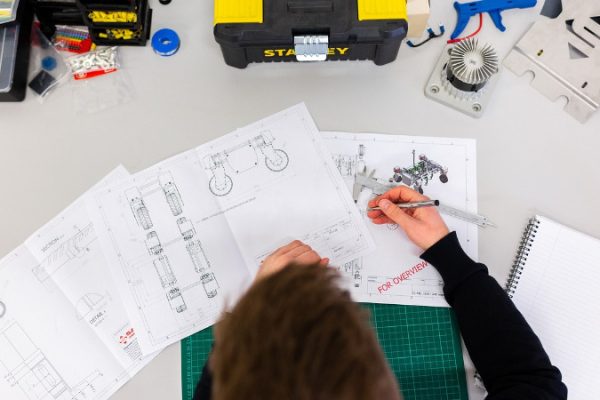
A Chinese-made sodium-ion battery has reached a performance level on par with Tesla’s lithium cells, according to new research, and its design borrows notably from established lithium-ion technology. While sodium’s abundance could reshape raw material sourcing, the technology’s lower energy density and cold-weather charging remain engineering hurdles worth watching.
Top Stories This Week
- Chinese Sodium Battery Matches Tesla Benchmarks
- Boston Dynamics To Expand Massachusetts Robotics Hub In $100 Mn Project
- Tech Giant Oracle Cuts 21,000 Jobs As It Embraces AI
- DOT Launches $1.5M Robotics Competition To Upgrade Transportation Networks
- Britain To Speed Up Submarine Maintenance With 3D Printing
- US Army Advances Continuous Fiber 3D Printing To Speed Missile Component Production
- Robotic-assisted Surgery A Significant Advancement
- Engineer Builds Mobile 3D Lab To Deliver Free Dentures To Uninsured Americans
- New Chip Could Help Tiny Robots Traverse Complex Environments
- Scientists Create AI Skin Patch That Acts Like An Instant Personal Doctor
- Why RISC-V Is Reshaping The Future Of Computing
Hardware Business News
Boston Dynamics To Expand Massachusetts Robotics Hub In $100 Mn Project

Boston Dynamics is consolidating its Massachusetts operations into a single 323,000-square-foot robotics and AI center, backed by a $100 million investment and significant state support. This move strongly shows a focused push toward scaling up production of advanced platforms like Atlas and Spot, and could reshape the region’s robotics landscape in the coming years.
Tech Giant Oracle Cuts 21,000 Jobs As It Embraces AI

Oracle has eliminated 21,000 positions as it pivots toward AI-driven business strategies, with its annual report confirming a significant workforce reduction and restructuring costs. Does this show a broader industry shift as major tech firms allocate unprecedented sums to AI infrastructure, and what does it mean for both talent needs and future competitiveness?
DOT Launches $1.5M Robotics Competition To Upgrade Transportation Networks

The U.S. Department of Transportation has announced the DOT Bots Challenge, offering $1.5 million to spur robotics innovations that could modernize and safeguard transportation networks. With a strong focus on real-world prototypes, this initiative may drive practical advancements in how infrastructure is built and maintained, and I’m personally interested to see which engineering solutions rise to the top.
Britain To Speed Up Submarine Maintenance With 3D Printing

QinetiQ is deploying an on-site additive manufacturing facility at HM Naval Base Clyde to enable faster, dockside production of submarine components and reduce maintenance delays. If successful, such technologies can help to significantly streamline Royal Navy submarine upkeep, something that we all know needs desperate help.
Hardware Engineering News
US Army Advances Continuous Fiber 3D Printing To Speed Missile Component Production
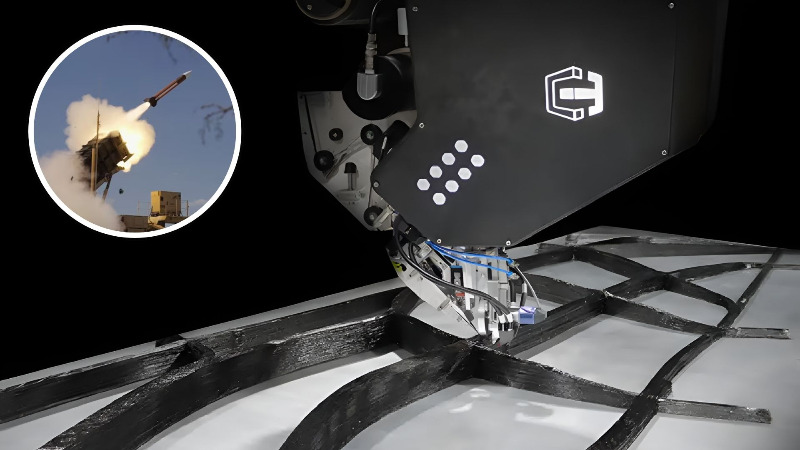
The US Army is partnering with Continuous Composites to assess how continuous fiber 3D printing could streamline the production of critical missile components like nose cones and fins. Considering how complex these manufacturing lines can be, this approach may help to address both speed and consistency in production.
Robotic-assisted Surgery A Significant Advancement
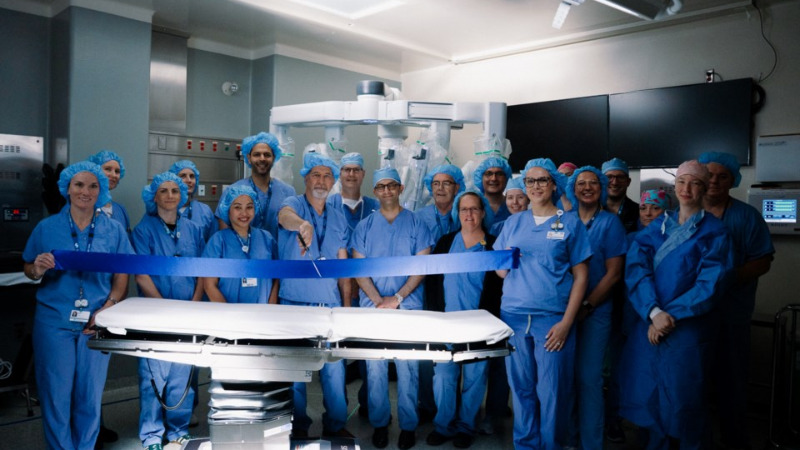
Southlake Health has become the first hospital in York Region to implement the Da Vinci Surgical System, enabling surgeons to perform minimally invasive procedures with enhanced precision and control. With surgical robots on the rise, i’m interested to see how the integration of robotic platforms will shape the complexity and quality of future procedures.
Engineer Builds Mobile 3D Lab To Deliver Free Dentures To Uninsured Americans
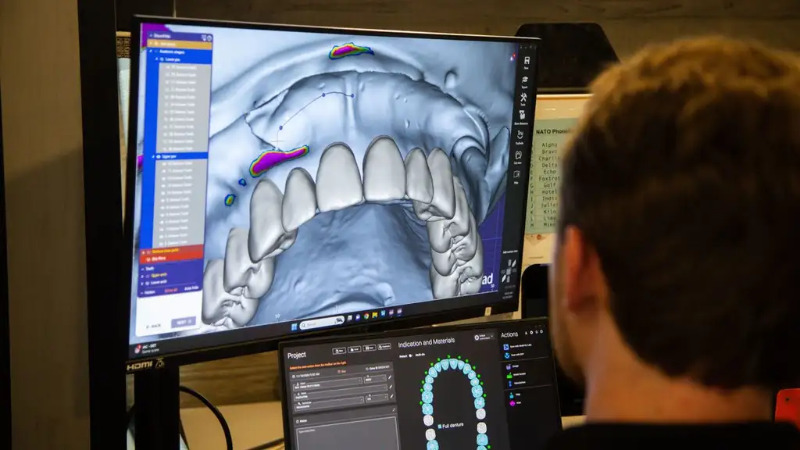
A 22-year-old engineer at Remote Area Medical re-engineered denture production by combining self-taught dentistry with 3D printing, transforming wait times for uninsured Americans from months to mere hours. This mobile lab approach highlights how applied engineering can rapidly scale practical healthcare solutions, and its ongoing expansion is worth watching.
Hardware R&D News
New Chip Could Help Tiny Robots Traverse Complex Environments

MIT engineers have unveiled a chip that enables tiny robots to rapidly generate detailed 3D maps of their surroundings while consuming only about 6 milliwatts of power. By combining an efficient algorithm with specialized hardware and using flexible Gaussians to represent obstacles, this approach could significantly expand what low-power autonomous devices can achieve in complex environments.
Scientists Create AI Skin Patch That Acts Like An Instant Personal Doctor
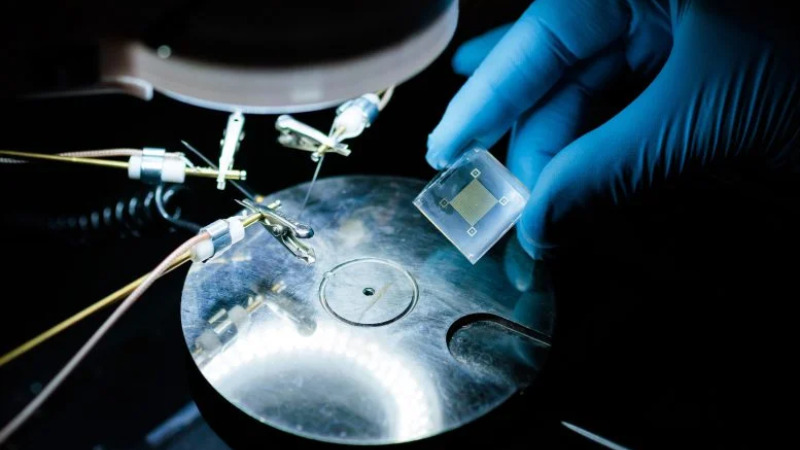
Researchers at the University of Chicago have developed a flexible AI skin patch that can analyze health data directly on the body in real time, achieving near-instant cardiac monitoring and risk prediction without relying on external devices. By integrating organic electrochemical transistors into stretchable substrates, this work hints at a future where diagnostic computing could seamlessly merge with human tissue.
Open-Source Hardware News
Why RISC-V Is Reshaping The Future Of Computing
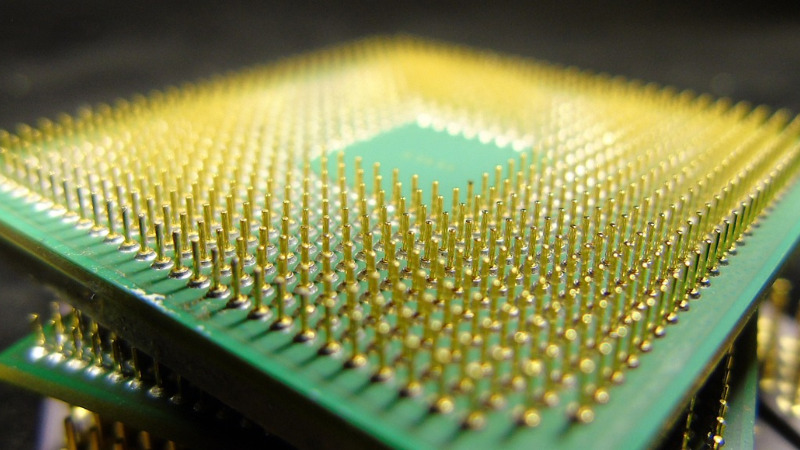
RISC-V’s open-standard architecture is rapidly gaining traction as organizations seek greater flexibility and independence in processor design, with the market projected to see substantial growth over the next decade. Thus, the introduction of RISC-V into the greater ecosystem could mark a major turning point in how hardware platforms are developed.