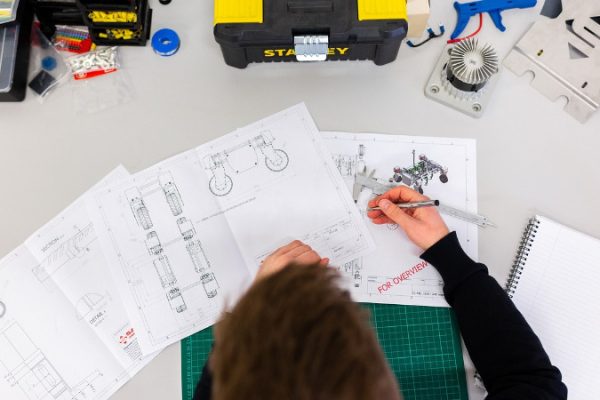
Datacenters have become the backbone of modern society, but for all their benefits they do present a number of challenges. One such challenge is their energy consumption, and how it is squeezing the capabilities of energy providers, while another challenge would be the resulting environmental challenges caused by the energy production. Now, a startup in Abu Dhabi is looking to put datacenters into space, with the hope of alleviating these difficulties while looking to unlock new opportunities.
Top Stories This Week
- Abu Dhabi Firm Looks To Build Data Centers In Space
- In Case You Missed – Ponoko Podcast Episode 2
- UK’s Semiconductor Design Giant Arm May Train 10,000 Malaysian Engineers Over A Decade
- How Tesla And Samsung’s Strategic Alliance Is Revolutionizing AI Semiconductors And Accelerating Autonomous Driving
- IBM: Only 11 Percent Of Organizations In APAC Is Truly AI-ready
- HCMC Institute Proposes Standardized EV Battery Recycling Center
- How Edge AI Can Help Reinvent American Manufacturing
- Robots To Solve Skill Shortages?
- Scientists Develop “Lung-on-a-Chip” That Could Help Stop The Next Pandemic
- Robots, Vehicles To Get Less Than 1-inch-level Accurate Positioning
- Supply-chain Attacks On Open Source Software Are Getting Out Of Hand
Hardware Business News
In Case You Missed – Ponoko Podcast Episode 2

In the second episode of the Ponoko Podcast, we dive into the world of engineering, prototyping, and rapid product development, featuring conversations with some of the brightest minds in tech and business. In this episode, we talked to Chris M. Walker, founder of the Legit.com freelance marketplace and B2B growth expert, as he shares his journey from a “dead-end” IT job to building a thriving platform that empowers startups, small businesses, and engineers to launch and scale their ideas. Watch the podcast here
UK’s Semiconductor Design Giant Arm May Train 10,000 Malaysian Engineers Over A Decade

ARM has partnered with Malaysia’s Advanced Semiconductor Academy to train 10,000 engineers in semiconductor design over the next decade. This move signifies a major shift as Malaysia wants to move from chip assembly into intellectual property and advanced R&D. I like seeing a design focus because engineering strength always starts with knowledge, not just production capacity. With courses already running and strong government backing, this could give Malaysia the talent base to compete in the global chip market, which is becoming increasingly design-driven.
How Tesla And Samsung’s Strategic Alliance Is Revolutionizing AI Semiconductors And Accelerating Autonomous Driving

Tesla has selected Samsung Foundry to manufacture its next-generation AI5 and AI6 chips, moving some production away from TSMC. This partnership focuses on Samsung’s advanced 2nm gate-all-around process, which offers high energy efficiency and computing performance. The collaboration strengthens Tesla’s autonomous driving roadmap by scaling Full Self-Driving hardware production through Samsung’s new Texas fab, expected to start in 2026. For Samsung, the contract secures a major customer and supports South Korea’s broader semiconductor strategy.
IBM: Only 11 Percent Of Organizations In APAC Is Truly AI-ready
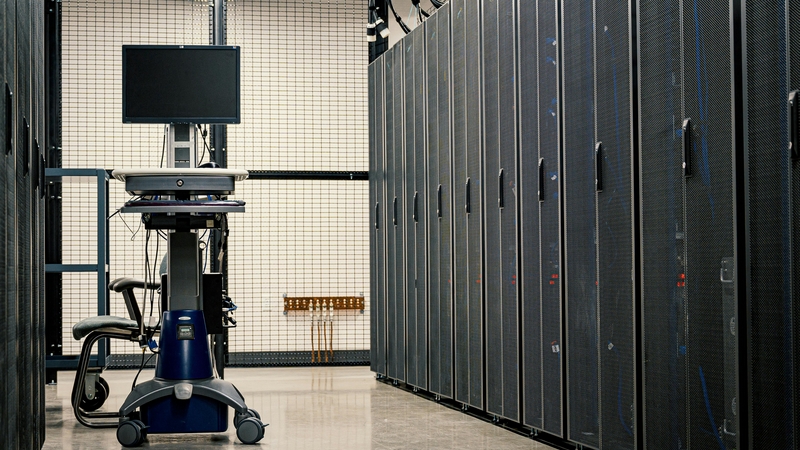
Many companies in Asia-Pacific claim they are “AI-first,” yet an IBM study shows only 11% have true AI maturity. It’s fascinating because we see plenty of pilot projects, but only a handful scale across the enterprise. I’ve often found that technology isn’t the hard part, it’s the people and processes that need to catch up. The report also highlights slow modernization and limited training, which reminds me of how easily ambition can outpace capability. Still, it’s encouraging to see momentum, and with the right focus on integration and skills, this region could lead the shift toward human-centric Industry 5.0.
Hardware Engineering News
HCMC Institute Proposes Standardized EV Battery Recycling Center
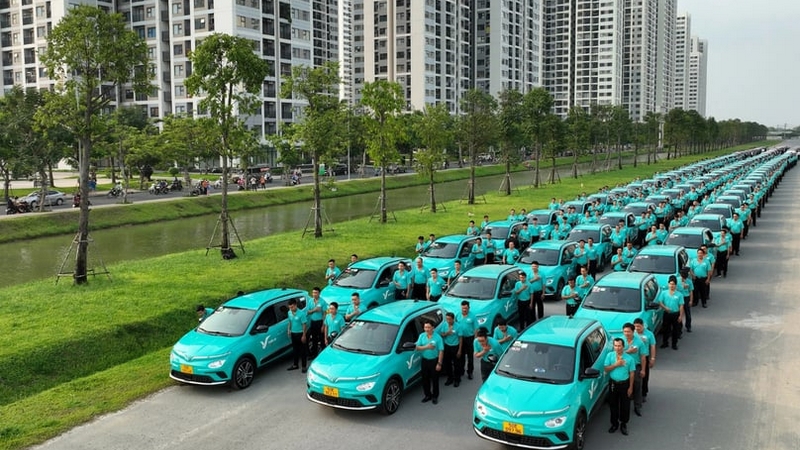
Ho Chi Minh City plans to transition 400,000 vehicles to electric, and with it comes an ambitious proposal: a battery recycling plant capable of recovering up to 95% of valuable metals from used EV batteries. That’s significant because rare materials like cobalt and lithium don’t come cheap, and proper recycling will reduce waste and environmental risk. I like how the plan also considers reusing older batteries for solar and factory storage, which shows a practical approach to extending their life. It’s early days, but seeing a major city plan recycling and electrification together feels like forward thinking done right.
How Edge AI Can Help Reinvent American Manufacturing

Reshoring manufacturing isn’t just about moving factories back home, it’s about building them smarter. Dell’s edge AI solutions show how U.S. plants can predict equipment failures, run real-time quality checks, and integrate IT with shop floor systems. This AI on the edge approach tackles not just efficiency, but also workforce shortages by giving teams advanced tools that make their work safer and more impactful. With digital twins and scalable AI platforms, this feels less like theory and more like the future of American manufacturing taking shape right now.
Robots To Solve Skill Shortages?
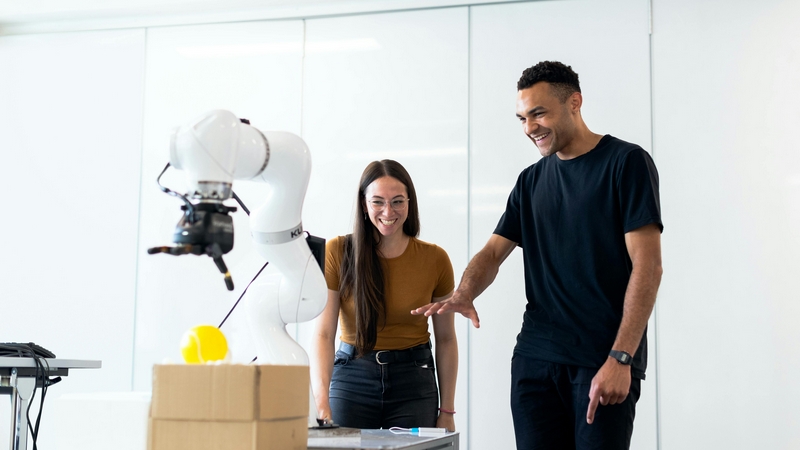
Big news for Australian AI & robotics innovation: Traversal Labs has been named a finalist in the inaugural Propel-AIR program for its MotionLogic platform. Instead of building robot bodies, MotionLogic focuses on teaching robots how humans work, transforming ordinary factory video into detailed motion maps for ergonomics, efficiency, and safety insights. This is a great example of human-first automation and how AI is shaping the future of industrial work. The winner of Propel-AIR (and a residency at MassRobotics in Boston) will be announced in August.
Hardware R&D News
Scientists Develop “Lung-on-a-Chip” That Could Help Stop The Next Pandemic

Respiratory illnesses hit different parts of the lungs, yet traditional lab models rarely capture this complexity well, so Kyoto University’s approach caught my attention. They combine microfluidic chips with isogenic iPSCs to mimic both airway and alveolar responses, which is impressive because it offers a clearer, more precise way to study infections like COVID-19. While some might see this as just another lab gadget, I believe it’s a practical step forward, especially for personalized medicine and faster drug development. It reminds me how thoughtful engineering solutions, even in biology, can make real-world impacts without hype.
Robots, Vehicles To Get Less Than 1-inch-level Accurate Positioning

High-precision positioning is critical for autonomy, yet traditional GNSS falls short with meter-level accuracy. San Francisco’s Swift Navigation addresses this with Skylark, a cloud-based service that boosts accuracy 100-fold to the centimetre level and carries ISO 26262 safety certification. What stands out is their fully cloud-native approach, cutting costs and complexity compared to legacy systems. This scalable model shows how smart innovation drives real-world adoption, especially across automotive and robotics sectors, and it’s a solid example of how engineering advances quietly enable the technologies shaping tomorrow.
Open-Source Hardware News
Supply-chain Attacks On Open Source Software Are Getting Out Of Hand

Supply-chain attacks on open-source repositories have surged again, this time hitting npm packages linked to Toptal and impacting thousands of users. What’s troubling is how attackers exploit trusted developer accounts via GitHub breaches and clever phishing, reminding us that even solid engineering hinges on robust security practices. These incidents underscore the critical need for strict token management, multifactor authentication, and thorough code audits. While open source powers innovation, it also demands vigilance from every engineer to safeguard the entire ecosystem.