In the second episode of the Ponoko Podcast, we dive into the world of engineering, prototyping, and rapid product development, featuring conversations with some of the brightest minds in tech and business. In this episode, we talked to Chris M. Walker, founder of the Legit.com freelance marketplace and B2B growth expert, as he shares his journey from a “dead-end” IT job to building a thriving platform that empowers startups, small businesses, and engineers to launch and scale their ideas.
Top Stories This Week
- Ponoko Podcast EP02 – Legiit
- RealSense Completes Spin Out From Intel, Raises $50 Million
- UK Government Delivers £63m Boost For EV Transition
- The Next Apple Or Tesla? Investors Pour Into China’s Humanoid Robotics Startups
- Meta Is Building AI Data Centers In Tents And Isn’t Slowing Down
- Op-ed: Why UK Manufacturing Needs More Than Robots
- Cybersecurity: The Achilles’ Heel Of The New Manufacturing Boom?
- Malicious VSCode Extension In Cursor IDE Led To $500K Crypto Theft
- Scientists Think Their Biotech Breakthrough Could End Plastic Waste Forever
- New Technology Helps Robots See Inside Sealed Boxes
- An Open-Concept 3D Printer Using Cantilever Arms
Hardware Business News
RealSense Completes Spin Out From Intel, Raises $50 Million
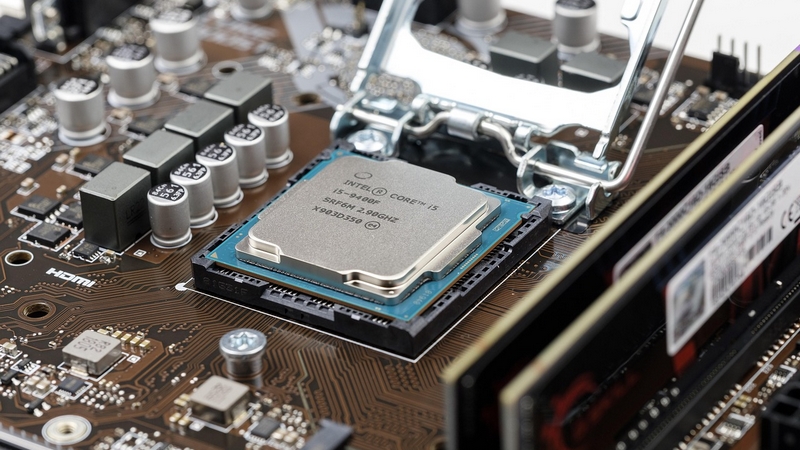
RealSense’s spinout from Intel, backed by $50 million in fresh funding, marks a decisive step forward in AI-powered vision technology, and it’s worth watching closely. As robotics and biometrics surge globally, their independence should let them innovate faster and scale smarter, which is exactly what the market demands. While many see AI as a threat, RealSense’s focus on amplifying human potential rather than replacing it strikes a realistic and refreshing tone. It’s encouraging to see seasoned engineers leading this charge in embedded vision, a clear sign the robotics renaissance is truly underway.
UK Government Delivers £63m Boost For EV Transition

EV ownership has always made sense to me from a technical perspective, but the lack of home charging access for many has been a persistent weak spot. Now, with a £63 million UK investment, £25M of which targets at-home charging for people without driveways, we’re seeing practical solutions like cross-pavement cable runs that actually make sense. There’s also support for NHS fleets and depot charging, which could cut real costs long-term. It’s a smart move, and while I’m always wary of government spending, this feels like money spent on the right wires.
The Next Apple Or Tesla? Investors Pour Into China’s Humanoid Robotics Startups
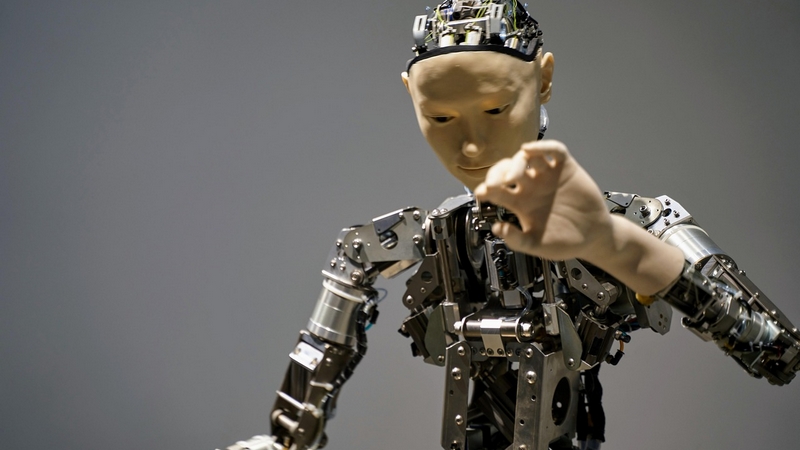
Investors are flooding China’s humanoid robotics start-ups with billions, chasing the “next Apple or Tesla” in embodied AI, where robots physically interact with the world. While the tech shows promise, mobility and adaptability challenges remain significant. Walking steadily, fine manipulation, and real-world training data are still hurdles, and general-purpose flexibility is far off. As an engineer, I respect the ambition but stay sceptical until practical, reliable robots emerge beyond flashy demos. Still, with heavy investment and big players involved, it’s a sector worth watching, just don’t expect a revolution overnight.
Meta Is Building AI Data Centers In Tents And Isn’t Slowing Down

Meta isn’t just chasing AI leadership, it’s racing toward it with gigawatt-scale data centers that ditch traditional design for speed. Zuckerberg’s latest move includes “tent-style” facilities and on-site gas plants, skipping backup generators to cut build time. While LLaMA hasn’t dominated models, Meta might win by becoming the backbone of AI infrastructure. Whether they lead in AI or lease the compute to those who do, one thing’s clear: this is industrial-scale ambition, and it’s reshaping what a data center even means.
Hardware Engineering News
Op-ed: Why UK Manufacturing Needs More Than Robots
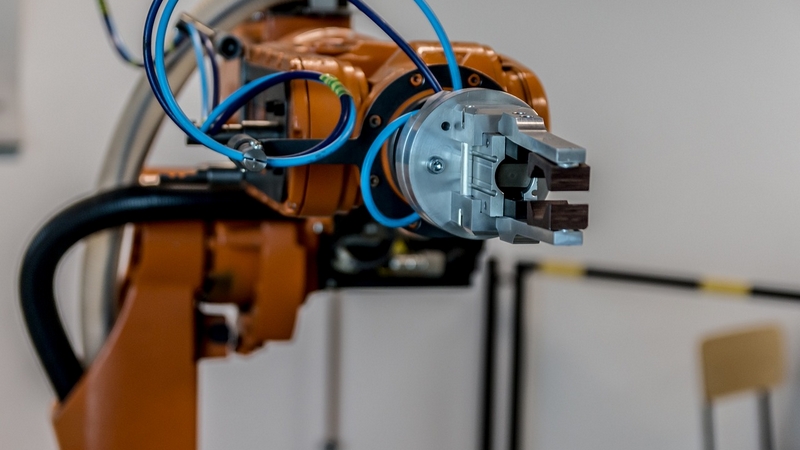
While headlines are busy celebrating automation, it’s the rapid decisions and creative flexibility of people that continue to set British manufacturing apart. Machines are tools, but humans are the innovators, and we should never forget this. Nigel Clarke of Morgan Innovation & Technology makes a strong case for this in a recent op-ed, showing how companies like JLR and JCB adapted overnight during COVID, not by upgrading robots, but by trusting skilled teams. It’s a timely reminder that while AI and automation have their place, engineering still runs on human instinct, grit, and know-how.
Cybersecurity: The Achilles’ Heel Of The New Manufacturing Boom?

Nearshoring is turning Mexico into a global manufacturing hub, and frankly, it’s exciting to see. New plants and growing industrial zones are fuelling momentum, but with all this connectivity comes a rising threat that’s harder to spot: industrial cyberattacks. From SCADA to ERP, every connected system is a potential target. And while robots and AI get the spotlight, cybersecurity is what will keep it all standing. If we want this wave to last, leaders need to see cyber defence not as a checkbox, but as core infrastructure, as vital as the machinery on the floor.
Malicious VSCode Extension In Cursor IDE Led To $500K Crypto Theft

Here’s a story that hits close to home for anyone who works with open-source tools. A malicious extension for the Cursor AI IDE-based on VSCode, tricked users by posing as a Solidity syntax highlighter. It quietly ran remote PowerShell scripts, installed ScreenConnect, and dropped infostealers like Quasar RAT and PureLogs. One victim, a Russian crypto dev, lost half a million dollars. The extension hit 54,000 installs before takedown, then reappeared with inflated download counts. It’s a stark reminder that open tools are powerful, but they demand vigilance. Always inspect what you install, especially when real money’s on the line.
Hardware R&D News
Scientists Think Their Biotech Breakthrough Could End Plastic Waste Forever

Researchers from the University of Houston and Rice University have engineered bacterial cellulose sheets that match the strength of some metals, yet compost like paper. By mixing in boron nitride, they’ve pushed tensile strength past 550 MPa while tripling heat dissipation. These microbe-spun sheets fold, flex, and even survive 10,000 stress cycles, making them ideal for packaging, electronics, or even wound care. Real innovation solves problems without creating new ones, and this feels like one of those rare technologies that gets it right, from strength to sustainability.
New Technology Helps Robots See Inside Sealed Boxes
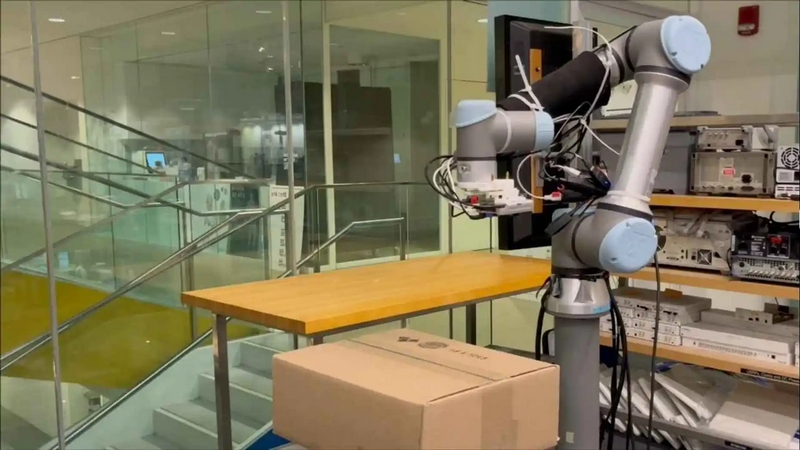
Ever wanted to X-ray a box without the bulk, radiation, or guesswork? MIT’s new mmWave system, mmNorm, might be the practical answer. It uses the same signals found in Wi-Fi to let robots scan sealed packages and build 3D models of what’s inside, no opening, no mess. Sci-fi-sounding breakthroughs are often far and few, but this one feels genuinely useful, especially for logistics or high-speed QA lines. It’s clever physics, not just hype, and I think it’s a good sign we’re moving toward automation that solves real problems without overengineering the solution.
Open-Source Hardware News
An Open-Concept 3D Printer Using Cantilever Arms
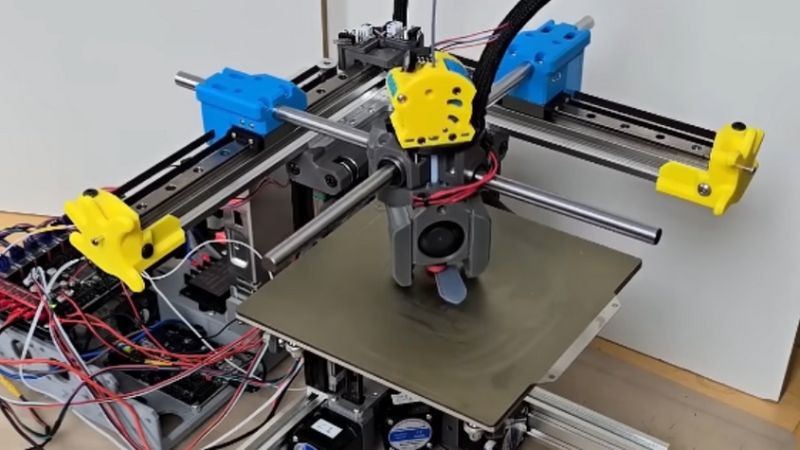
Looking for an open-frame 3D printer that avoids the wobble of a moving bed? [Boothy Builds] came up with the Hi5, a clever design that ditches the cubic frame and instead supports the hotend on dual cantilevered arms. It’s an elegant concept with some practical quirks—like spring-loaded bearings and tramming via triple Z rails. The balancing act between rigidity and flexibility here is incredible, though the belt tension issues do raise questions. Still, it’s great to see innovation pushing past the standard form factors instead of just polishing the same old i3 design.