SpaceX’s latest Starship test finally broke the streak of fiery failures, and I have to admit, it was exciting to watch. The massive rocket thundered off the pad, separated cleanly, and even coasted nearly 200 km above Earth before returning. Sure, the flaps caught fire and shook violently, but that’s part of stress-testing, and it shows SpaceX’s willingness to push hardware to its limits. With NASA banking on Starship for Artemis, this flight feels like a genuine turning point, and while challenges remain, I can’t help but admire the engineering boldness on display.
Top Stories This Week
- SpaceX Starship Success. Lands In Ocean Mostly Intact
- How Smarter Heat Tech Is Quietly Revolutionising The UK’s Green Manufacturing Goals
- Digital Twin Technology With AI To Boost Efficiency And Reliability In Pharmaceutical Manufacturing
- Honeywell-led Consortium Awarded £14.1M For AI-driven Additive Manufacturing In Aerospace
- The Tech Enabling China’s Dark Factories
- How Stratasys Plans To Simplify 3D Printing For Everyone
- 3D-printed Superconductor Achieves Record Performance
- 3D-Printed Scaffold Breakthrough Promises Spinal Recovery
- Scientists Supercharge Solar Power 15x With Black Metal Tech
- Prehistoric Basketweaving Inspires New Materials For Stiff, Resilient Robots
- Huawei To Open-source Its UB-Mesh Data Center-scale Interconnect Soon
Hardware Business News
How Smarter Heat Tech Is Quietly Revolutionising The UK’s Green Manufacturing Goals
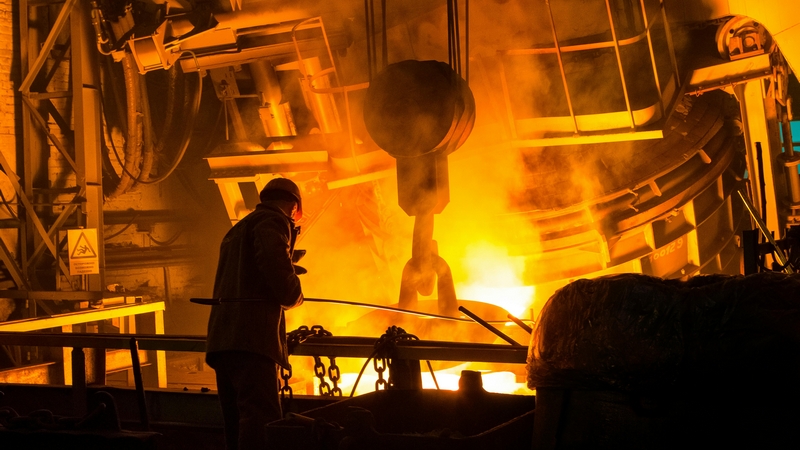
Heat rarely makes headlines, yet it quietly drives nearly a third of global industrial energy use. As the UK pushes toward its 2050 net-zero goal, it’s fascinating to see how smarter ovens and AI-driven thermal systems are reshaping manufacturing. When considering all the challenges that engineers face these days, precision heat isn’t just greener, it also boosts product quality and extends equipment life, which is a win manufacturers can’t ignore.
Digital Twin Technology With AI To Boost Efficiency And Reliability In Pharmaceutical Manufacturing

Pharma manufacturing has always balanced precision with efficiency, and now a collaboration between Cambridge CARES and A*STAR I2R is pushing that balance further with an AI-powered digital twin platform. What is compelling about this story is the blend of first-principles modelling with real-time plant data; an approach that actively builds system understanding. By automating digital twin creation, the technology could help manufacturers refine processes faster, cut downtime, and transfer domain expertise more effectively.
Honeywell-led Consortium Awarded £14.1M For AI-driven Additive Manufacturing In Aerospace

Honeywell is leading a £14.1M project that could reshape UK aerospace manufacturing by combining AI with Additive Manufacturing. Known as STRATA, the initiative will focus on complex aircraft systems like cabin pressure and environmental controls, areas where efficiency directly impacts safety, fuel use, and emissions. What’s interesting here is the dual push of AI-driven simulations to accelerate design cycles, and AM to cut waste while enabling smarter, lighter components. With partners from Formula 1 to Oxford researchers, it seems like a project that doesn’t just tick sustainability boxes, but genuinely retools how aerospace parts are imagined and built.
The Tech Enabling China’s Dark Factories
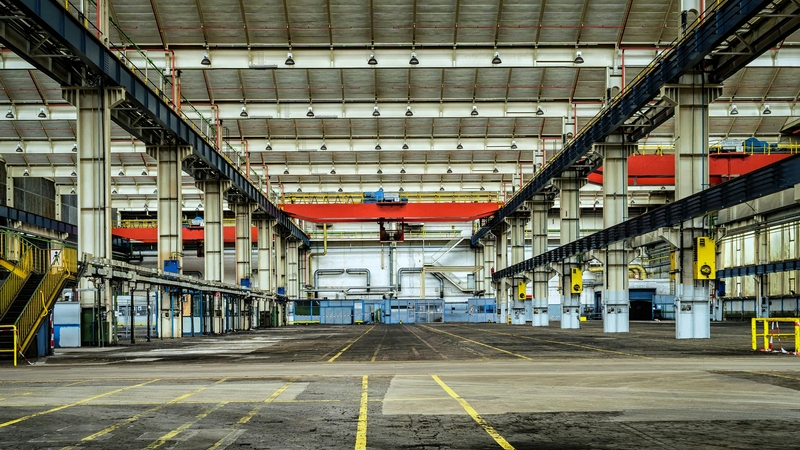
China’s push toward “dark factories” marks a striking new phase of industrial automation. These fully robotic plants, running without lights, heating, or even people, show how AI, IoT, and robotics can merge into continuous, high-precision production lines. It’s truly fascinating, and somewhat worrying, that companies like Xiaomi and Jetour are already producing cars and phones at remarkable speeds with almost no human touch on the shop floor. While the long-term social impacts are still unfolding, from a purely engineering standpoint this is a bold demonstration of efficiency, resilience, and scale, and one that other nations will be forced to reckon with.
Hardware Engineering News
How Stratasys Plans To Simplify 3D Printing For Everyone
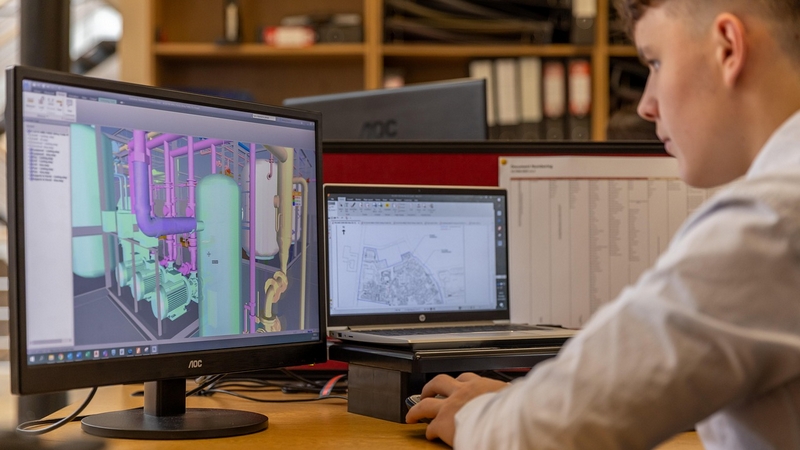
Stratasys is tackling one of 3D printing’s biggest hidden barriers: complexity. Victor Gerdes, once a creator of some of the world’s most sophisticated CAD and PLM platforms, now champions simplicity through software like Fixturemate, which slashes fixture design time by 80% and makes 3D printing accessible without CAD expertise. The idea of making 3D printing accessible to all is truly brilliant because it addresses a practical bottleneck that has long held the industry back; academic intellectual barriers. By removing this “CAD literacy” barrier, Stratasys isn’t just refining tools, it’s redefining how 3D printing can be used day-to-day by anyone and everyone.
3D-printed Superconductor Achieves Record Performance
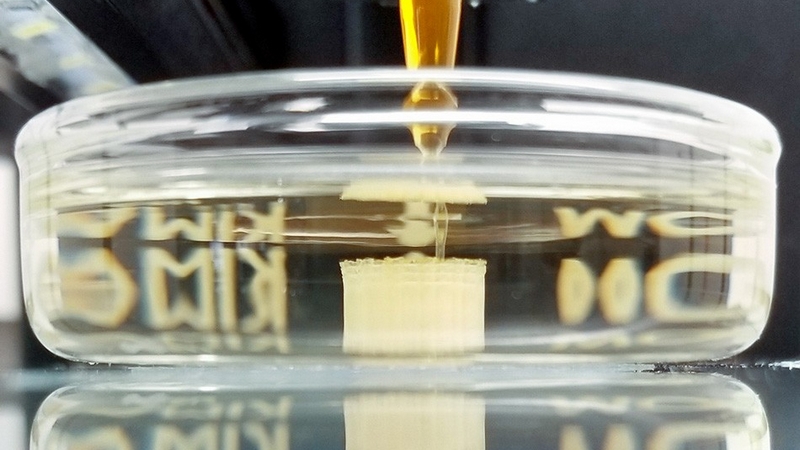
Cornell researchers have taken 3D printing into the quantum realm by producing superconductors with record-breaking properties in a single, scalable step. By combining copolymer self-assembly with nanoparticle inks, their process creates nanoscale, mesostructured, and macroscopic lattices in one go, skipping the multi-step methods of the past. This is a rare example where engineering ingenuity and materials science converge, and it’s exciting to see soft matter guiding high-performance electronics in such a practical way.
3D-Printed Scaffold Breakthrough Promises Spinal Recovery
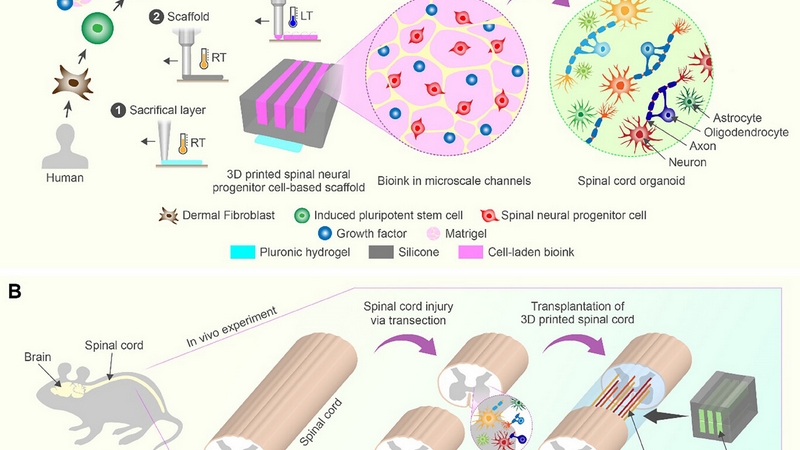
A team at the University of Minnesota has combined 3D printing and stem cell biology to create “mini spinal cords” that could transform spinal injury recovery. Their organoid scaffolds guide stem cells to regrow nerve fibers across damaged areas, and in rats, this led to measurable functional recovery. This development is intriguing because it blends mechanical engineering precision with biology in a way that feels almost science-fictional, yet practical. While clinical applications are still a way off, the study highlights how advanced manufacturing and regenerative medicine can converge to tackle one of the most stubborn challenges in human health.
Hardware R&D News
Scientists Supercharge Solar Power 15x With Black Metal Tech
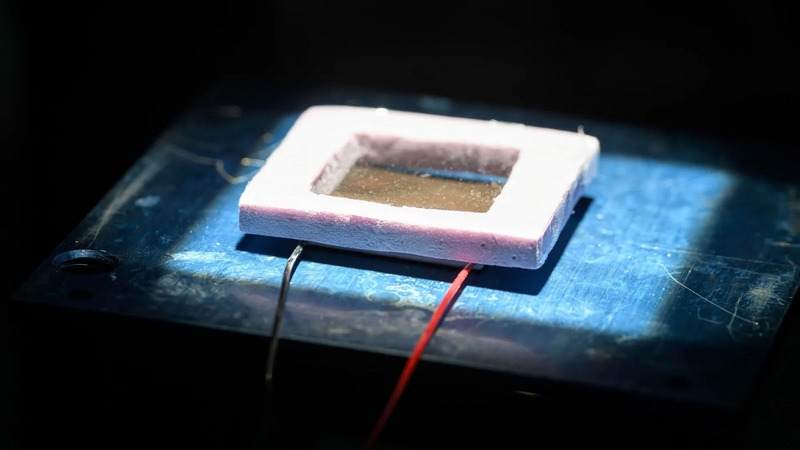
Researchers at the University of Rochester have taken solar thermoelectric generators (STEGs) from impractical to promising by rethinking heat management rather than semiconductors. By using black metal coatings on the hot side, a plastic “mini greenhouse” to trap heat, and laser-etched heat sinks on the cold side, their STEGs now generate 15 times more power than before. Its refreshing to see clever engineering applied to a known problem instead of endlessly tweaking materials, and it’s exciting to imagine compact devices powering IoT sensors or wearable electronics with this approach.
Prehistoric Basketweaving Inspires New Materials For Stiff, Resilient Robots
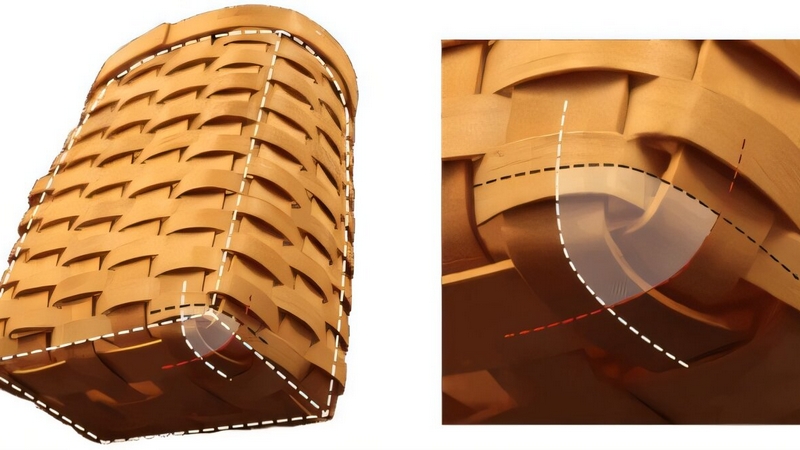
At the University of Michigan, engineers are revisiting an ancient craft to solve a modern engineering challenge: weaving materials to create structures that are both stiff and resilient. Their four-legged woven robot prototype can hold 25 times its weight, move its legs, and spring back after overloads, thanks to stress redistribution across the weave. This concept challenges the assumption that flexible materials can’t also be load-bearing, and it opens doors to safer robotics, adaptable exoskeletons, and even architectural components. Sometimes, history really does hold the blueprints for innovation.
Open-Source Hardware News
Huawei To Open-source Its UB-Mesh Data Center-scale Interconnect Soon
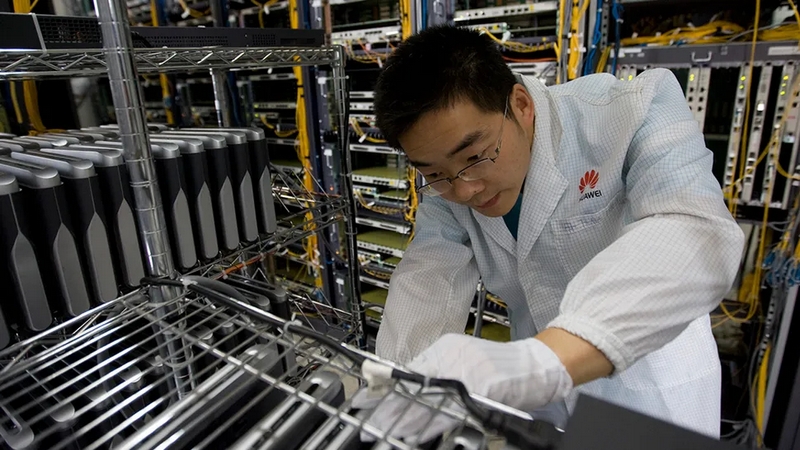
Huawei just unveiled something ambitious at Hot Chips 2025: UB-Mesh, a protocol meant to unify every connection inside and between AI data center nodes. Their goal is audacious, replace PCIe, CXL, NVLink, and even TCP/IP with a single, open-source standard, creating what they call a SuperNode that could connect up to a million processors with near-150?ns latency. I’m impressed by the systems-level thinking, but I remain skeptical about adoption outside Huawei’s ecosystem. Still, the idea of cutting conversion overheads while scaling efficiently is exactly the kind of innovation datacenter architects will want to watch closely.