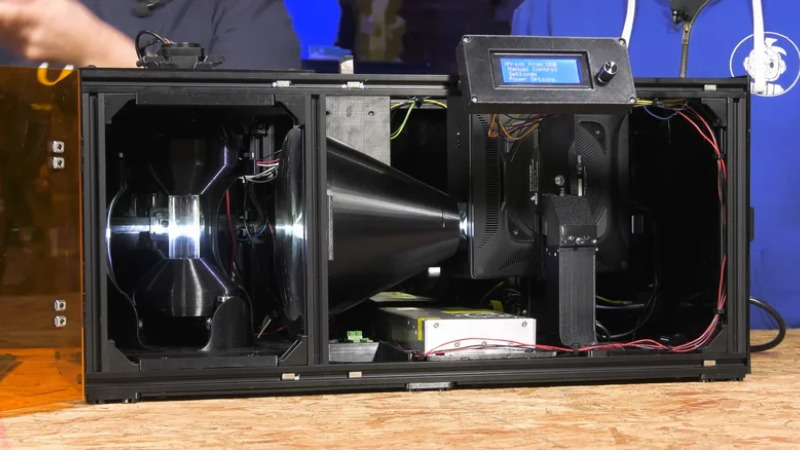
Open-source volumetric 3D printing has moved from the lab to the workbench, as the OpenCAL project now enables makers to produce solid objects in seconds using widely available parts and clever software.
Top Stories This Week
- The Next Generation Of 3D Printing Is Here, And You Can Build It Right Now
- US Bans Foreign-made Humanoid Robots, Targeting China Over National Security
- New Bill Would Ban Humanoid Robots In Schools After New York Focus Report
- Ponoko Feature Update – Assign Materials To Every Part At Once
- China Starts Production Of Home-grown Immersion DUV Chipmaking Tools
- $312 Million For Olix: UK AI Chip Startup Valued At $3.3 Billion
- Porous 3d-printed Feet Help Quadruped Robots Walk Using Less Battery Power
- TSMC Develops EMIB-like Packaging To Retain AI Chip Orders Amid CoWoS Strain
- Reimagine Robotics Goes Public With Robots That Learn On The Job
- MIT’s Aerated Hydrogel That Could Change Bandages, Implants And Wearables Forever
- Lab-grown Mini Brains May Predict Which Alzheimer’s Treatments Will Work
- OpenDerm Is A Robotic Camera That Uses 3D Mapping Of Moles To Help Detect Lesions
Hardware Business News
US Bans Foreign-made Humanoid Robots, Targeting China Over National Security
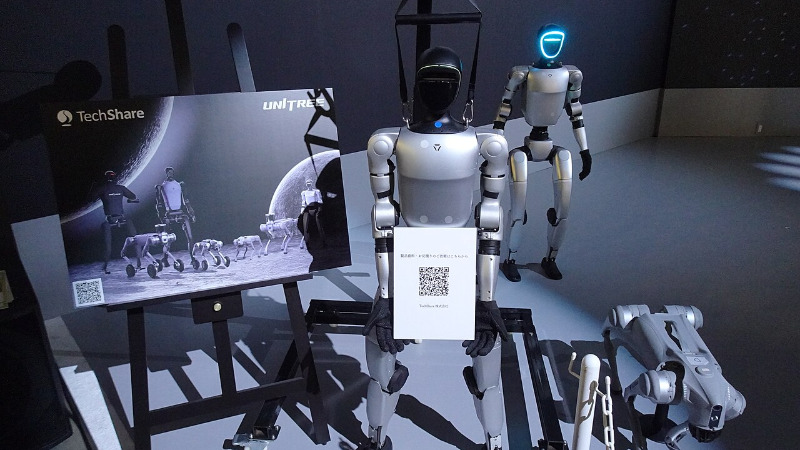
The FCC has announced a ban on foreign-made humanoid robots, with a particular focus on imports from China due to national security concerns and supply chain risks.
New Bill Would Ban Humanoid Robots In Schools After New York Focus Report

New York lawmakers have introduced a bill that would prohibit the use of AI-powered humanoid robots as classroom instructors after a local district’s plan drew both attention and concern.
Ponoko Feature Update – Assign Materials To Every Part At Once
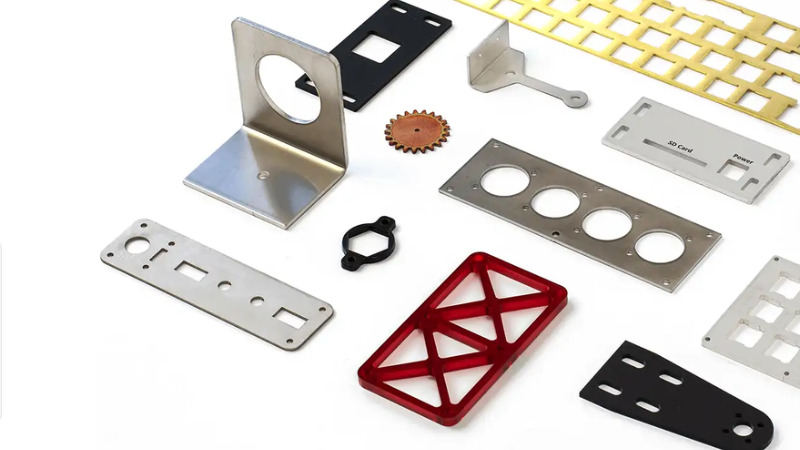
Uploading a large batch of parts just got faster. You can now apply the same material to every part in a quote with a single action, instead of configuring each file individually. It’s especially useful for production runs with dozens or even hundreds of parts, helping you move from upload to quote with less repetitive setup and fewer opportunities for inconsistency.
Upload your parts and get a quote
China Starts Production Of Home-grown Immersion DUV Chipmaking Tools
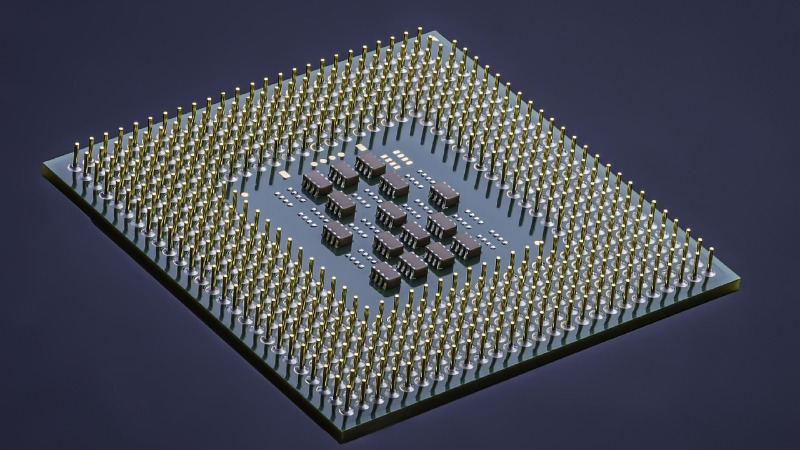
China has begun mass producing its own immersion DUV lithography machines through Shanghai-based Aishengna, marking a noteworthy stride in efforts to reduce reliance on foreign chipmaking tools.
$312 Million For Olix: UK AI Chip Startup Valued At $3.3 Billion

London-based Olix has secured $312 million in Series B funding, bringing its valuation to $3.3 billion as it pushes a novel approach to AI inference chips with support from major industry and state players.
Hardware Engineering News
Porous 3d-printed Feet Help Quadruped Robots Walk Using Less Battery Power
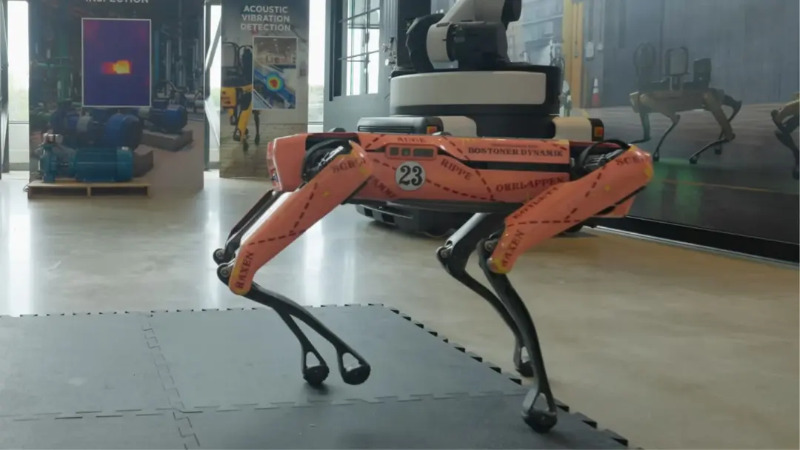
Researchers have demonstrated that 3D-printed porous TPMS feet can cut quadruped robot battery consumption by up to 6.2 percent, thanks to improved energy absorption and release during gait cycles.
TSMC Develops EMIB-like Packaging To Retain AI Chip Orders Amid CoWoS Strain

TSMC is developing a packaging technology similar to Intel’s EMIB as CoWoS capacity strains under surging AI chip demand, working with Kinsus to move quickly from R&D to mass production.
Reimagine Robotics Goes Public With Robots That Learn On The Job
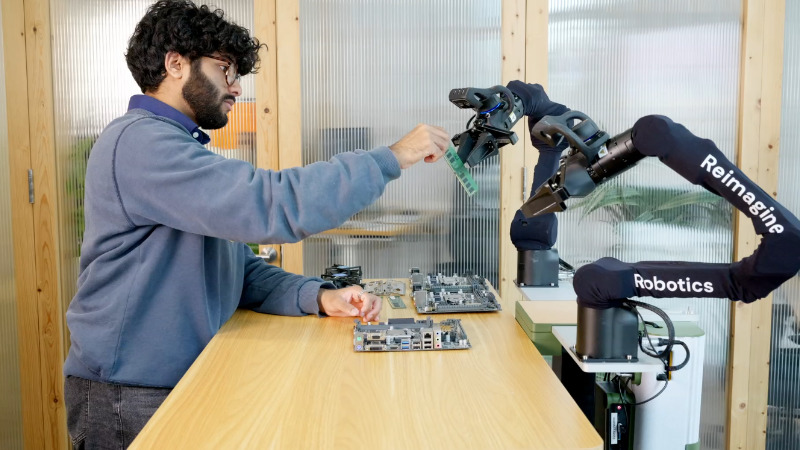
Reimagine Robotics, founded by former DeepMind engineers, has unveiled AI-powered robots that can be trained directly by workers on the factory floor without specialist programming.
Hardware R&D News
MIT’s Aerated Hydrogel That Could Change Bandages, Implants And Wearables Forever

MIT engineers have developed a hydrogel that retains its water content while allowing air to pass through, addressing the common issue of skin irritation in medical patches and wearables.
Lab-grown Mini Brains May Predict Which Alzheimer’s Treatments Will Work

Researchers at Johns Hopkins have used patient-derived brain organoids to reveal why Alzheimer’s tissues respond differently to an antidepressant, suggesting a path toward more personalized therapies.
Open-Source Hardware News
OpenDerm Is A Robotic Camera That Uses 3D Mapping Of Moles To Help Detect Lesions
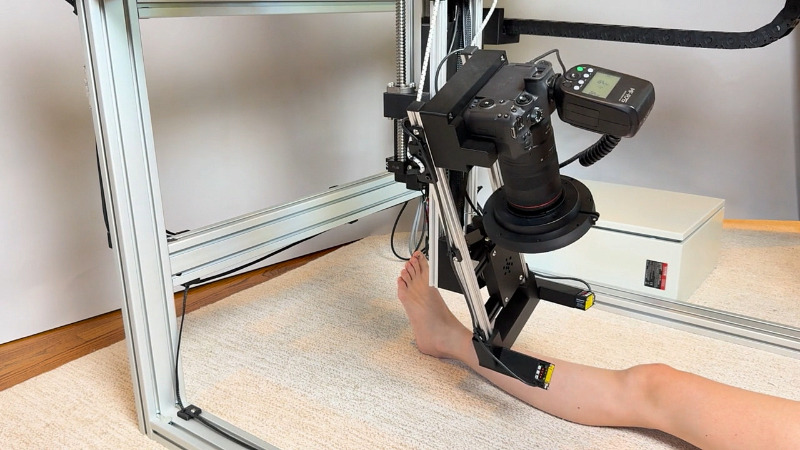
OpenDerm is an open-source robotic system that uses a motorized camera setup and 3D mapping to monitor changes in skin moles for early lesion detection, which could potentially offers engineers and the wider community a practical platform for precise, repeatable skin imaging that could support early skin cancer intervention efforts.