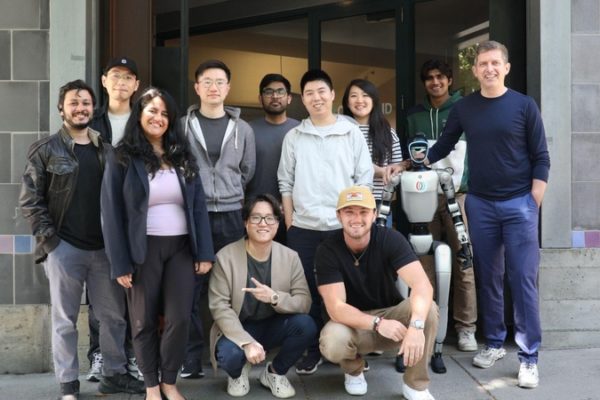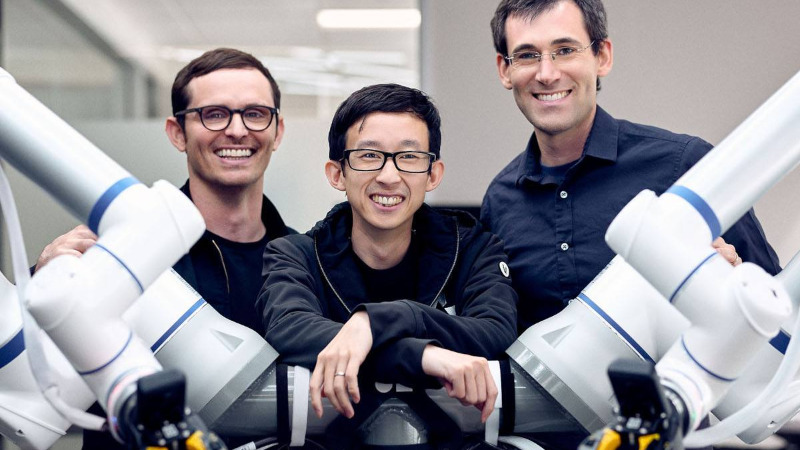
Major players like Nvidia and Fei-Fei Li are backing Generalist’s $400 million funding round, which positions the company at a $2 billion valuation and signals growing momentum in AI robotics. Generalist, founded this year by former DeepMind and Boston Dynamics experts, aims to advance “physical” artificial general intelligence, focusing on scalable models and commercial applications.
Top Stories This Week
- Nvidia, Fei-Fei Li Back Generalist’s $400m Round To Scale AI Robotics
- Allegedly Trashing Airbnbs To Test Robots Puts Startup In Legal Trouble
- The World’s First Fluid Circuit Board Just Raised $12M
- 5th-gen VELA Nuclear Reactor Fleet To Get 3D-printed Parts With New Deal
- US Public Cheers Dancing Unitree Robots While Congress Looks To Ban Them
- Is Silicon Valley Ready To Put Robots In People’s Homes? Hello Robot Is.
- I Build Robots That Restore Ecosystems. Here’s Why AI Is Being Used For The Opposite
- Researchers Develop Desalination With No Brine Production
- Planar Vacuum Tubes Could Replace Transistors
- Open Source Hardware For Robotics: Democratizing Robot Building
Hardware Business News
Allegedly Trashing Airbnbs To Test Robots Puts Startup In Legal Trouble

A San Francisco robotics startup is facing a $12,000 lawsuit after allegedly damaging an Airbnb property during robot prototype testing, raising questions about responsible deployment in real-world environments. While it’s common for robotics firms to use controlled labs for trials, venturing into private homes without explicit consent seems to me both unorthodox and risky.
The World’s First Fluid Circuit Board Just Raised $12M

Hardware teams frustrated by slow PCB prototyping cycles may want to watch Itera, which has just secured $12 million in seed funding and revealed a prototype of what it calls the world’s first fluid circuit board. By using liquid metal alloys and electrowetting, Itera’s technology promises to cut iteration times from weeks to under a minute.
5th-gen VELA Nuclear Reactor Fleet To Get 3D-printed Parts With New Deal
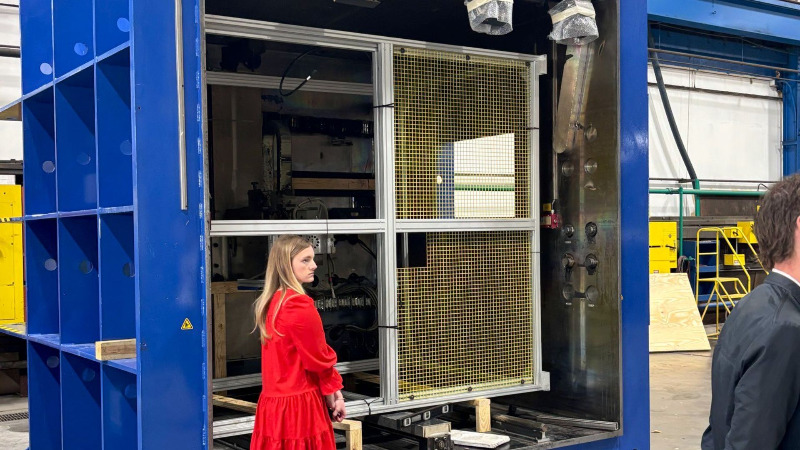
The integration of industrial 3D printing into nuclear reactor manufacturing shows a serious shift for the sector, as NX Atomics partners with Sciaky to produce parts for its VELA reactor using electron beam additive processes. While the approach borrows from established aerospace techniques, applying it to commercial nuclear platforms could help address longstanding cost and lead time challenges.
Hardware Engineering News
US Public Cheers Dancing Unitree Robots While Congress Looks To Ban Them

It’s not every day you see humanoid robots earning standing ovations on prime-time American TV, yet Unitree’s G1 models did just that on America’s Got Talent. While public enthusiasm for these Chinese-designed robots is clear, lawmakers are debating potential bans, showing the growing divide between technological curiosity and regulatory caution.
Is Silicon Valley Ready To Put Robots In People’s Homes? Hello Robot Is.
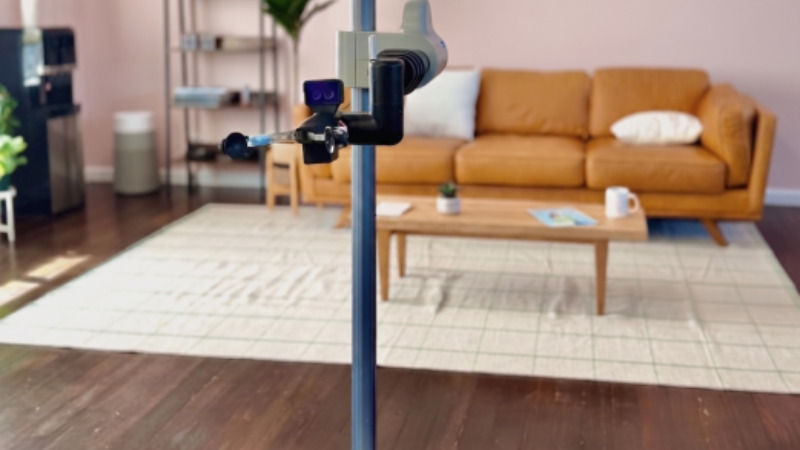
It’s not every day that a home assistance robot designed for real-world living makes it to market, yet Hello Robot’s Stretch is quietly doing just that. Unlike maximalist projects chasing generalized humanoids, Stretch prioritizes safe, practical operation in homes, balancing autonomy with human oversight. At $30,000, it’s not inexpensive, but the focus on accessibility, modularity, and robust hardware could be the right direction for robotics in homes.
I Build Robots That Restore Ecosystems. Here’s Why AI Is Being Used For The Opposite

Robotics has made enormous strides, yet the rapid evolution of lethal autonomous drones and AI-driven weapons raises pressing concerns. While restoration robots offer measurable benefits to ecosystems, the hardware driving modern warfare is becoming cheaper and more accessible, shifting capabilities from states to individuals. From an engineering perspective, I can see that the path forward will demand careful regulation if we want these powerful tools to serve society rather than undermine it.
Hardware R&D News
Researchers Develop Desalination With No Brine Production

A new desalination method, developed by University of Rochester researchers, has shown promise in producing fresh water without generating brine. By combining solar-absorbing “black metal” panels and clever salt management, their system addresses both energy use and environmental risks. As data centers continue to increase water demand, solutions like this could prove valuable, especially if paired with renewable energy sources.
Planar Vacuum Tubes Could Replace Transistors
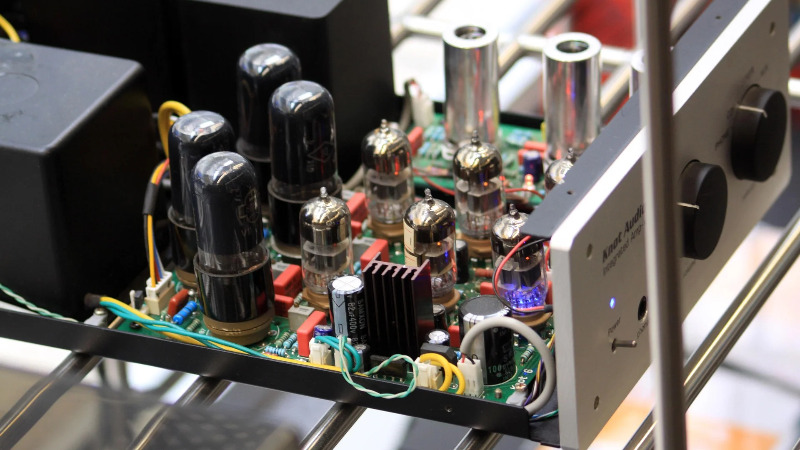
The idea that vacuum tubes could return as competitors to silicon transistors might surprise many, yet recent research into planar vacuum devices offers some intriguing possibilities. By leveraging silicon-compatible fabrication and shifting control to electron injection rather than flow, the new cathode-modulated vacuum/air-channel tubes demonstrate functional amplification and logic at room temperature.
Open-Source Hardware News
Open Source Hardware For Robotics: Democratizing Robot Building
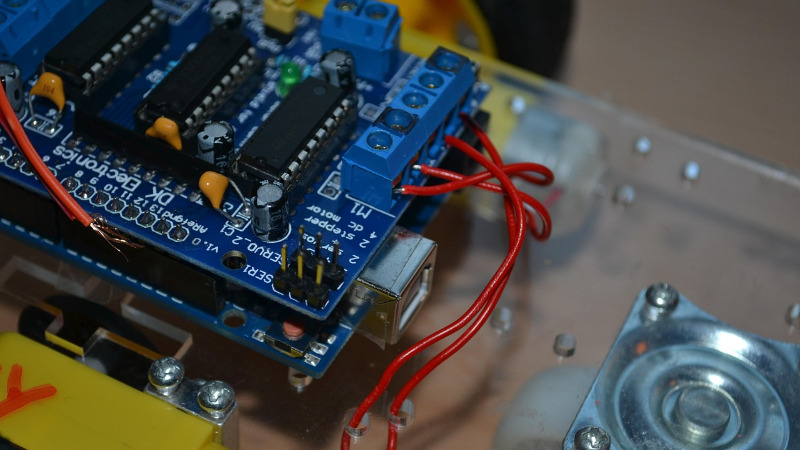
Open-source hardware is quietly reshaping robotics, inviting a broader community to build sophisticated machines once reserved for well-funded labs. Platforms like Arduino, Raspberry Pi, and TurtleBot have made advanced components and designs accessible, allowing students, startups, and hobbyists to experiment and innovate with limited resources. As AI integration deepens, open hardware’s role as a foundation for accessible robotics seems likely to grow, fostering collaboration and continued progress across the industry.