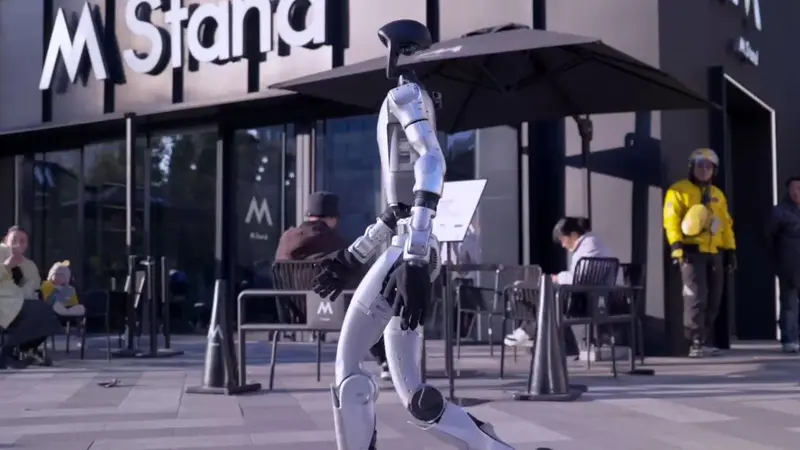
If you want a glimpse into robotics’ future, look no further than Unitree’s recent IPO filing. As an engineer, I’m impressed by how Unitree not only turned a profit but also managed to cut prices while scaling up; something rare in this space. The fact that over half their revenue came from exports until just last year speaks volumes about global demand. While humanoid robots aren’t on every shelf yet, this kind of growth and ambition is worth watching, especially for anyone who appreciates practical engineering and market realism over hype.
Top Stories This Week
- World’s Biggest Humanoid Robotics Maker Unitree Is Going Public
- Amazon Buys Fauna Robotics
- Physical Intelligence Seeks $1 Billion As Robotics Interest Grows
- Microsoft Introduces AI Training And Credential Program For Nonprofit Leaders
- Nvidia Just Announced Hardware For AI Data Centers In Space
- China’s Automaker Deploys Embodied Humanoid Robot To Production Line
- SpaceX Could Bid For More AWS-3 Spectrum In Next FCC Auction
- As Predicted! Engineers Turn To DDR3 In QSMP-20 Module
- Houston Researcher Builds Radar To Make Self-driving Cars Safer
- KIST-IAE Team Breaks Barriers With New 2D Battery Catalyst
- Claude Code Was Accidentally Open-sourced With 510,000 Lines Of Code
Hardware Business News
Amazon Buys Fauna Robotics
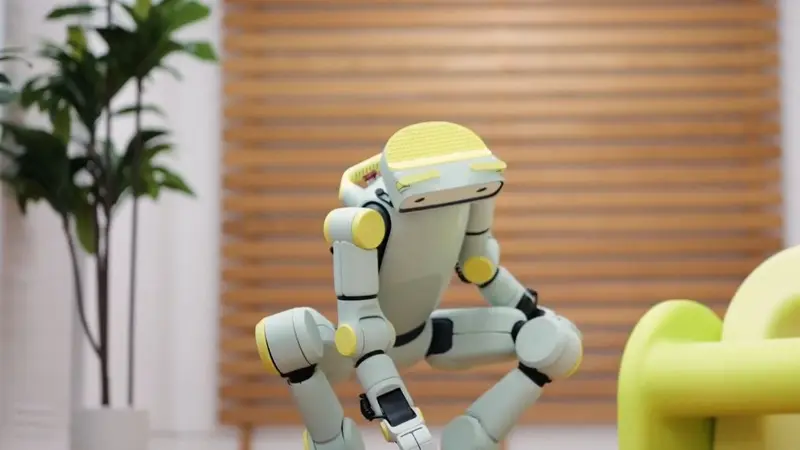
Amazon’s recent acquisition of Fauna Robotics, creator of the lively Sprout humanoid, is a move that caught my attention. While Amazon already leads in warehouse robotics, Sprout’s focus on playful and social interaction feels like a deliberate step toward making robots a part of everyday life, not just logistics. I’m curious to see how Amazon will integrate Sprout’s software-driven approach into its broader ecosystem, especially since practical, affordable home robots have been elusive. For those of us watching real innovation in robotics, this partnership is definitely worth keeping an eye on.
Physical Intelligence Seeks $1 Billion As Robotics Interest Grows
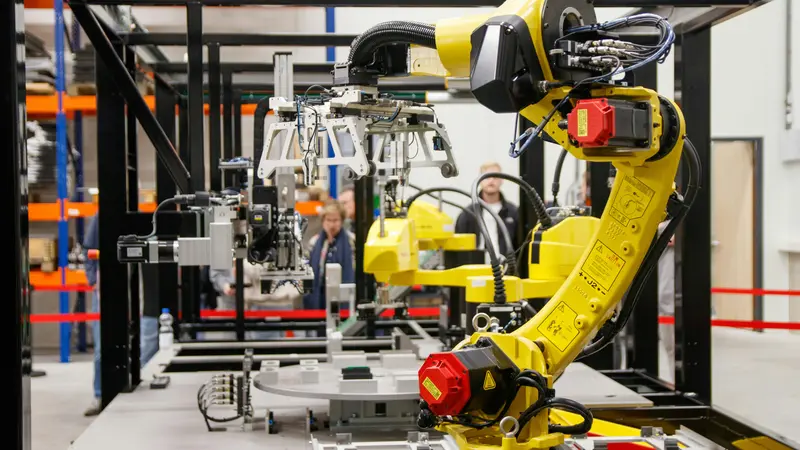
Physical Intelligence is making waves in robotics funding, seeking $1 billion to double its valuation to over $11 billion. The startup, spun out from Rivian, is focused on AI models that help robots handle tasks like folding clothes or brewing coffee, bridging the gap between digital intelligence and the real world. With backing from major investors and ties to Big Tech, Physical Intelligence is part of a growing shift toward practical robotics in manufacturing and logistics. It’s exciting to see such strong investor interest, which signals real momentum for physical AI solutions in everyday industries.
Microsoft Introduces AI Training And Credential Program For Nonprofit Leaders

Microsoft has rolled out Elevate for Changemakers, an AI training and credential program tailored for nonprofit leaders. This initiative goes beyond general AI education by focusing on real-world skills, practical implementation, and nonprofit-specific workflows. With a blend of live and on-demand modules, the program aims to empower nonprofit professionals to lead AI adoption confidently, even with limited resources. Backed by partnerships with NetHope and LinkedIn, and featuring a global fellowship, this effort shows how targeted workforce development can help nonprofits keep pace with technology while staying mission-focused. It’s a timely step as AI becomes essential across industries.
Nvidia Just Announced Hardware For AI Data Centers In Space

The idea of building data centers in space is fascinating, though I can’t help but be a bit skeptical about how close we really are to seeing it at scale. Nvidia’s new Space-1 Vera Rubin module is certainly a technical achievement, but the practical challenges, high launch costs, limited bandwidth, and the immense complexity of operating in orbit, shouldn’t be glossed over. While it’s smart to invest in foundational technologies, I’d caution against expecting orbital data centers to solve terrestrial energy or environmental concerns anytime soon. It’s a promising direction, but as always, the engineering realities will dictate the pace.
Hardware Engineering News
China’s Automaker Deploys Embodied Humanoid Robot To Production Line
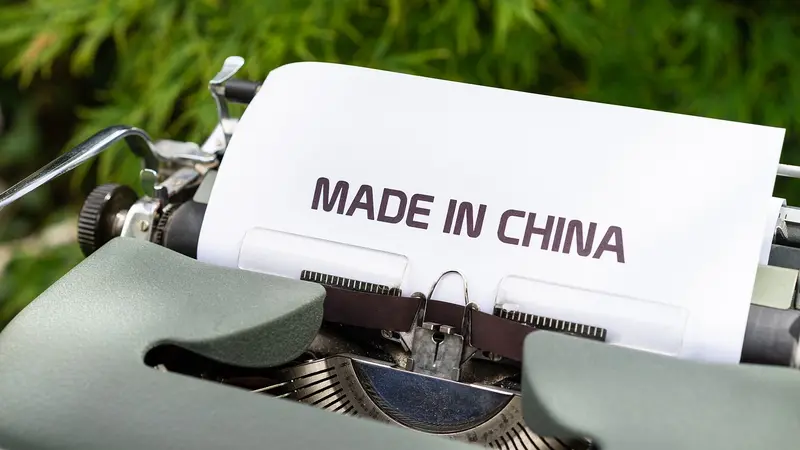
Shanghai Automotive Industry Corporation (SAIC) has deployed its first humanoid robot, manufactured by Zhiyuan Robotics, on a battery mass-production line, demonstrating a practical step forward for robotics in China’s automotive sector. Unlike traditional industrial robots, this humanoid offers impressive flexibility, adapting to varied tasks with its precise movements and advanced vision systems. Experts highlight its potential for rapid retraining and multifunctionality, marking a shift from lab prototypes to real-world industrial use. With over 140 manufacturers and 330 products already on the market, China’s humanoid robotics industry is clearly accelerating toward tangible, scalable applications.
SpaceX Could Bid For More AWS-3 Spectrum In Next FCC Auction
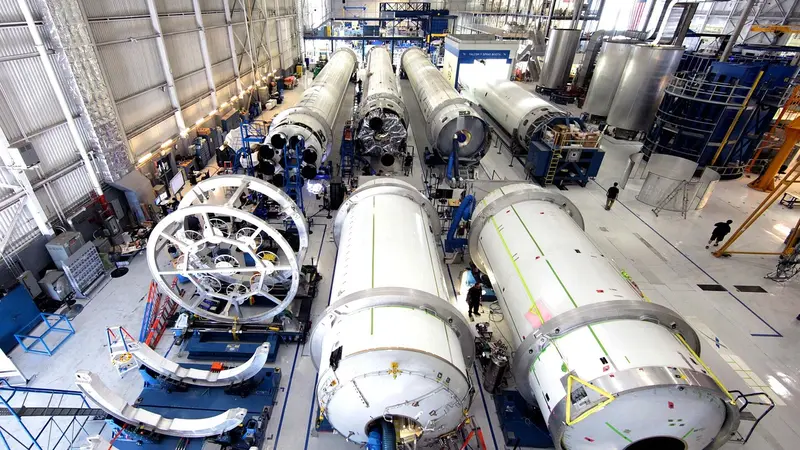
SpaceX has emerged as a potential participant in the FCC’s upcoming AWS-3 spectrum auction, signaling growing interest in spectrum assets to support Starlink Mobile’s direct-to-device services. While their application is not yet complete, this move aligns with SpaceX’s recent spectrum acquisitions and hints at broader ambitions, possibly even preparing for the upper C-band auction in 2027. Analysts note that SpaceX could use these frequencies to enhance Starlink’s independence from existing mobile partnerships or develop hybrid networks. As spectrum becomes increasingly strategic, SpaceX’s involvement could reshape competition among established mobile network operators.
As Predicted! Engineers Turn To DDR3 In QSMP-20 Module
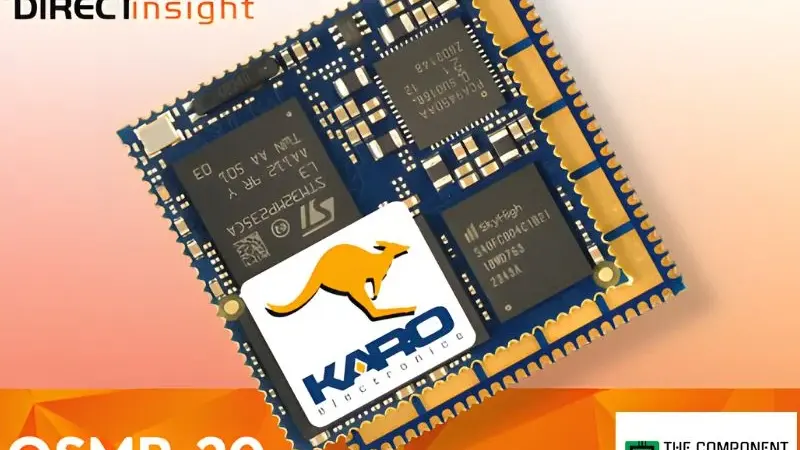
It’s not every day that you see a prediction pan out so quickly, but the shift back to DDR3 in the QSMP-20 module feels like validation for those of us who have warned about memory supply crunches. With AI driving up the cost and scarcity of DDR4 and DDR5, it’s refreshing to see engineers opt for a mature, reliable technology that’s still more than capable for most embedded applications. This move reminds me that chasing the latest spec isn’t always the smartest engineering choice; sometimes stability, price, and simplicity win out. Maybe it’s time we all reconsider just how much “latest and greatest” we really need.
Hardware R&D News
Houston Researcher Builds Radar To Make Self-driving Cars Safer
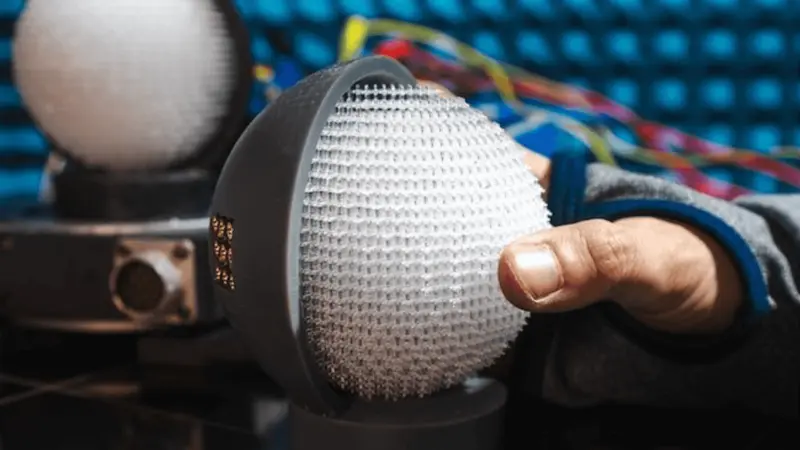
As someone who’s spent years working with embedded systems and sensor technologies, I have to say EyeDAR’s approach is a breath of fresh air, especially compared to what we’re seeing from companies like Tesla, who are moving away from proven sensor setups in favor of pure vision-based systems. By integrating reliable millimeter-wave radar and leveraging analog hardware, EyeDAR adds critical redundancy that cameras and lidar simply can’t match in bad weather or low light. It’s reassuring to see researchers focusing on safety and real-world robustness, instead of just cutting costs and complexity. In my view, more sensors, especially ones like EyeDAR, mean safer roads, and that’s a trade-off worth making.
KIST-IAE Team Breaks Barriers With New 2D Battery Catalyst

A joint team from KIST and IAE has developed a breakthrough catalyst technology for lithium-air batteries, leveraging a two-dimensional tungsten diselenide (WSe?) nanomaterial with platinum substitution and atomic-level selenium vacancies. This innovation transforms the entire basal plane of the material into active catalytic sites, dramatically boosting reaction rates and extending battery lifespan beyond 550 cycles, even under fast charging. The new catalyst outperforms traditional commercial options and could help unlock lithium-air batteries’ potential for electric vehicles and energy storage. This advance paves the way for more durable, high-density batteries and could accelerate commercialization in next-generation energy systems.
Open-Source Hardware News
Claude Code Was Accidentally Open-sourced With 510,000 Lines Of Code

I have to admit, seeing the entire Claude Code base leaked in such spectacular fashion is a rare moment in tech, equal parts chaos and curiosity. I have spent years poring over source code, but I can’t help but be fascinated by the scale of this situation: over half a million lines suddenly out in the open, exposing not just Anthropic’s engineering choices but also a treasure trove of hidden features, clever tools, and even a built-in Tamagotchi! While the security implications are serious, the engineer in me is excited to see how the community will dissect, learn from, and maybe even build upon this unexpected “open-sourcing.” Sometimes, the most interesting lessons come from the most unexpected leaks.