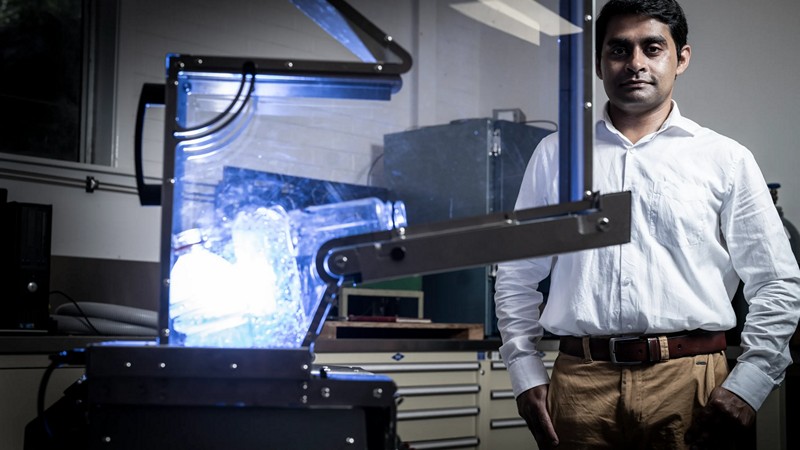
Australia has just pulled off something that makes me genuinely excited as an engineer, because underwater 3D concrete printing is a serious a game-changer in the field of construction, and they did it without chemical accelerators or bulky formwork. The team at the University of Wollongong proved that robotic precision can tame concrete beneath the waves, which makes repairing piers, building reefs, or even supporting offshore wind projects far more practical. I absolutely admire the mix of innovation and forward thinking here, and while many challenges do remain, this breakthrough feels like the start of a very different future for marine construction.
Top Stories This Week
- Australia Achieves World-First Breakthrough In Underwater 3D Concrete Printing
- Microsoft Bets On AI To Upskill Engineers, Not Replace Them
- Robotics Startup FieldAI Says It Received Investment From Hyundai
- Anthropic Says DeepSeek And Other Chinese AI Firms Scraped Claude To Train Rival Models
- Could China Dominate The RAM Market? CXMT Thinks So
- AI-powered Manufacturing Robotics Will Be Common In 5-10 Years, Says IFR
- Sodium-Ion Batteries: An Alternative Path For Energy Storage
- Altman Calls Musk’s Space Data Center Plans ‘ridiculous’ For Current AI Computing Needs
- MIT Researchers Develop Fully Functional 3D?Printed Motor
- UT Austin Unveils Electronic Tattoos And Soft Robot Skin Designed To Transform Aging
- Making AI For Everyone: Multilingual Open-Source AI Prototype Unveiled At Bharat Mandapam
Hardware Business News
Microsoft Bets On AI To Upskill Engineers, Not Replace Them

Microsoft claims AI will make engineers smarter rather than replace them, and I want to believe it, because in theory, automating routine coding could free up talent for design and security work. Yet I can’t ignore the financial reality, with margins squeezed by massive AI infrastructure spend and investors already twitching over Azure growth. It’s a neat story of upskilling, and it might even work, but I remain cautious: optimism alone won’t pay the bills, and history shows that lofty AI promises often collide with market pressures before engineers ever see the promised benefit.
Robotics Startup FieldAI Says It Received Investment From Hyundai
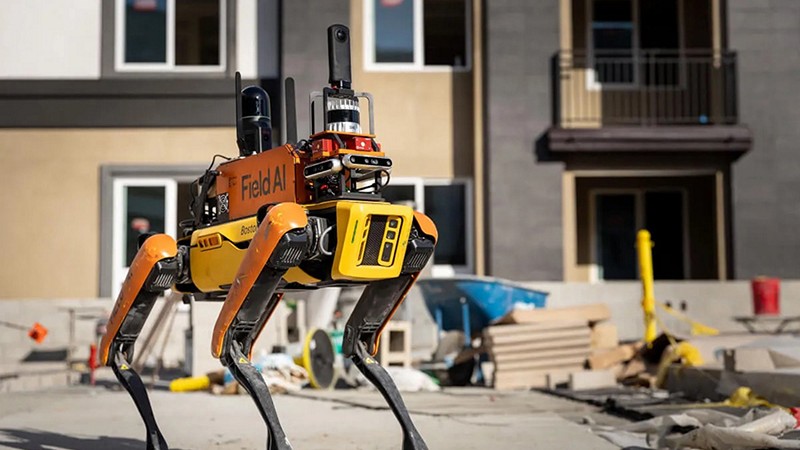
Hyundai Motor Group has made a financial investment in Irvine-based robotics startup FieldAI, complementing the company’s $405 million raised in August. FieldAI develops systems that allow multiple robots to operate autonomously across construction sites and other environments, and the new backing could accelerate deployment and development. While the exact investment figure has not been disclosed, reports suggest it is worth several million dollars, and the combination of established funding and strategic partnership positions FieldAI to expand its influence in autonomous robotics without the distractions of immediate commercialization pressures.
Anthropic Says DeepSeek And Other Chinese AI Firms Scraped Claude To Train Rival Models

Anthropic claims Chinese AI firms used fake accounts to pull over 16 million Claude interactions, aiming to train competing models. I can’t help but notice the irony, because distillation itself is a standard trick in AI research (along with mass internet scraping), yet it suddenly becomes a scandal when someone else does it. But the concern is real at this magnitude, and Anthropic is right to tighten defenses, in practice however, the line between competition and copying in AI is blurrier than most headlines admit. This is the now the messy reality of a rapidly scaling industry, also known as the Wild Wild West of AI.
Could China Dominate The RAM Market? CXMT Thinks So
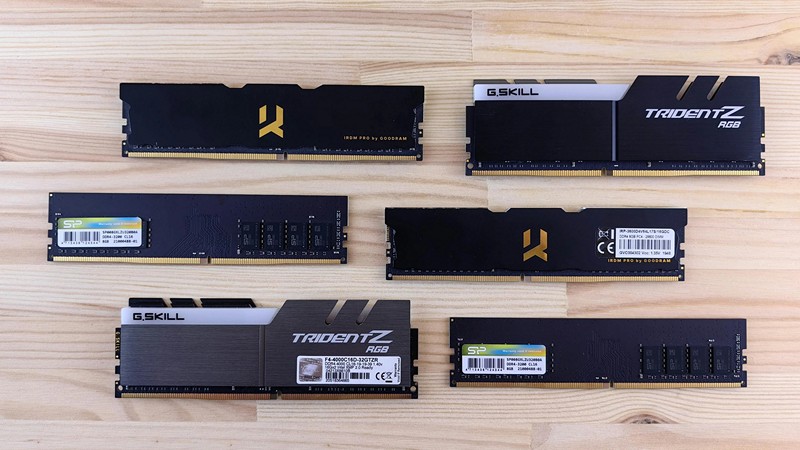
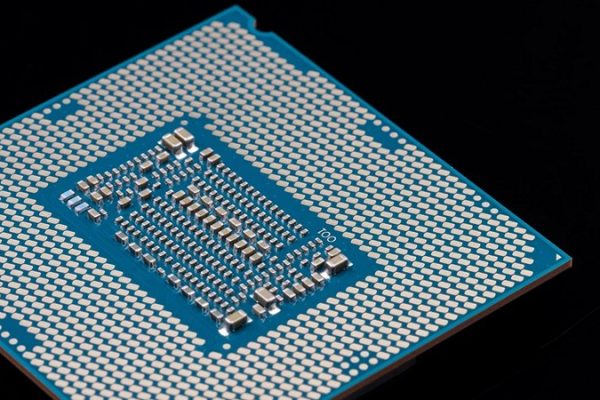
Amid global RAM shortages driven by AI datacenter demand, Chinese supplier CXMT has unveiled high-performance DDR5 and LPDDR5X modules, offering capacities up to 24?Gb and meeting or exceeding JEDEC standards. While production currently prioritizes domestic demand, these modules could partially alleviate Western supply constraints and demonstrate China’s growing responsiveness in the semiconductor market. Historically, China has scaled emerging technologies quickly, from RISC-V adoption to electric vehicle production, and CXMT’s entry into the DDR5 space suggests that alternative suppliers may increasingly influence global memory availability, even if their process nodes lag a few generations behind leading manufacturers.
Hardware Engineering News
AI-powered Manufacturing Robotics Will Be Common In 5-10 Years, Says IFR
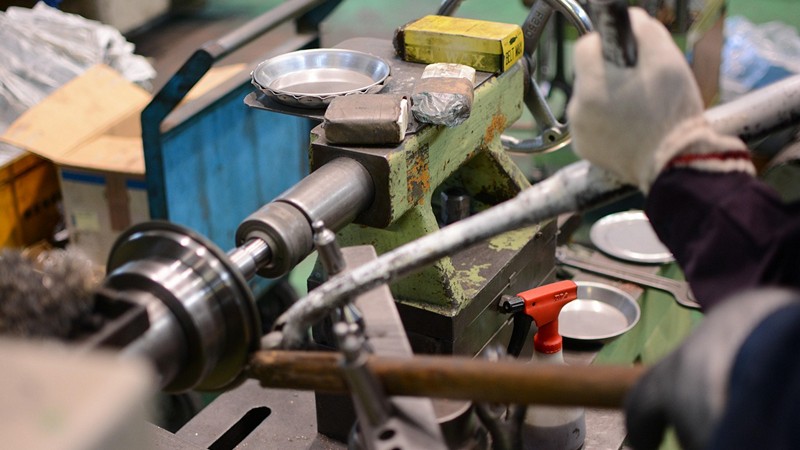
The International Federation of Robotics predicts AI-powered manufacturing robotics will become commonplace within five to ten years, driven by efficiency gains, reduced errors, and faster ROI. Recent investments, including GE Aerospace’s $300 million expansion in Singapore, highlight this trend, applying AI for predictive maintenance, automated inspections, and precision repair of engine components. Across industries such as automotive, electronics, and pharma, AI is transitioning from a supporting technology to a core enabler, allowing robots to operate by experience in virtual and real environments, while increasing adoption in controlled manufacturing and logistics settings.
Sodium-Ion Batteries: An Alternative Path For Energy Storage
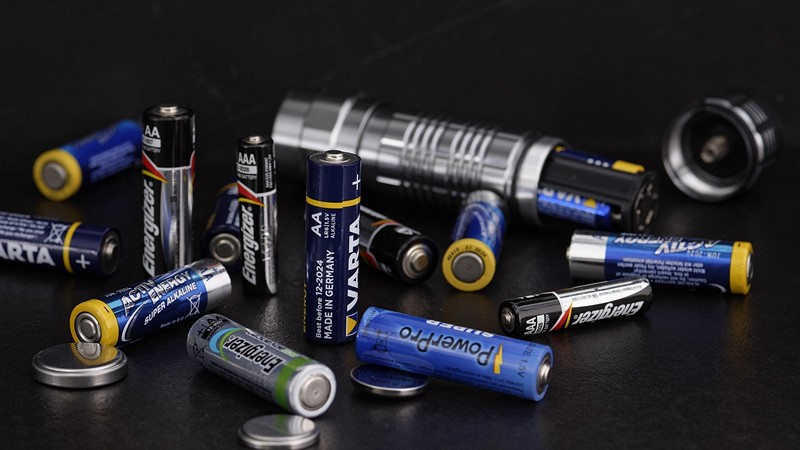
Sodium-ion batteries are emerging as a lower-cost, more sustainable alternative to lithium-ion cells, leveraging abundant sodium and refined electrode chemistries. From 2023 to 2025, research improved cathodes, anodes, and electrolytes, while pilot manufacturing demonstrated early industrial-scale production of Prussian-white materials supporting roughly 1 GWh of cells. Technical challenges remain, including lower energy density, electrode stability, and moisture sensitivity, yet ongoing advancements and techno-economic modeling suggest sodium-ion could become competitive in stationary storage and low-cost vehicle applications by the early 2030s, offering a viable path for sustainable energy storage without reliance on critical lithium or cobalt resources.
Altman Calls Musk’s Space Data Center Plans ‘ridiculous’ For Current AI Computing Needs
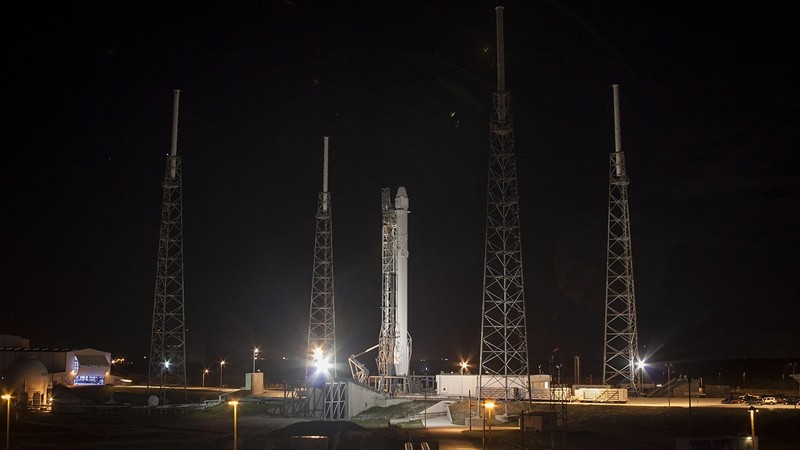
OpenAI CEO Sam Altman has described SpaceX’s plans for orbital AI data centers as unfeasible in the near term, citing high launch costs and maintenance challenges. While Elon Musk envisions deploying up to one million satellites to deliver 100 gigawatts of compute per year, Altman and other industry leaders, including AWS’s Matt Garman, note that current technology and logistics make large-scale space-based data centers impractical this decade. Google has also explored solar-powered orbital facilities, yet the consensus remains that, despite the long-term vision, terrestrial solutions will dominate AI infrastructure for the foreseeable future.
Hardware R&D News
MIT Researchers Develop Fully Functional 3D?Printed Motor
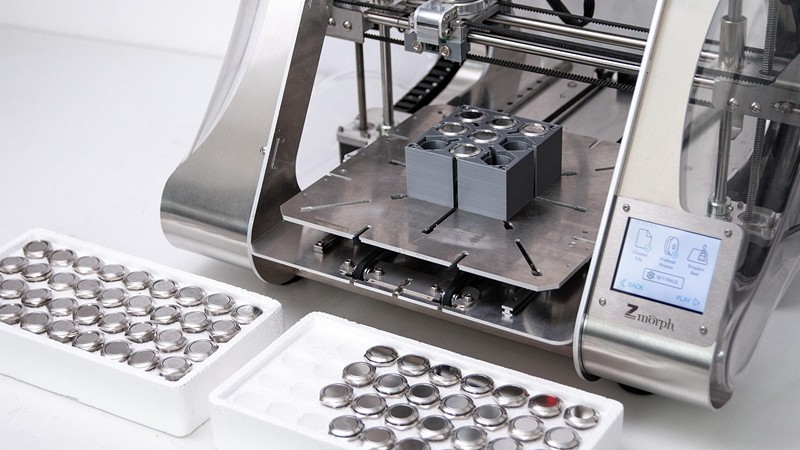
I love seeing stuff like this; MIT researchers have managed to 3D-print a fully functional linear motor in just three hours, using five different materials in a single build for under 50 cents. As someone who’s spent countless hours waiting on custom motors or replacement parts, I can’t overstate how game-changing this is for prototyping. Beyond the speed and cost, the idea of producing complex electromechanical components on-site without relying on slow supply chains feels like the future of engineering, and it makes me genuinely excited to see what other devices we’ll be able to print next.
UT Austin Unveils Electronic Tattoos And Soft Robot Skin Designed To Transform Aging
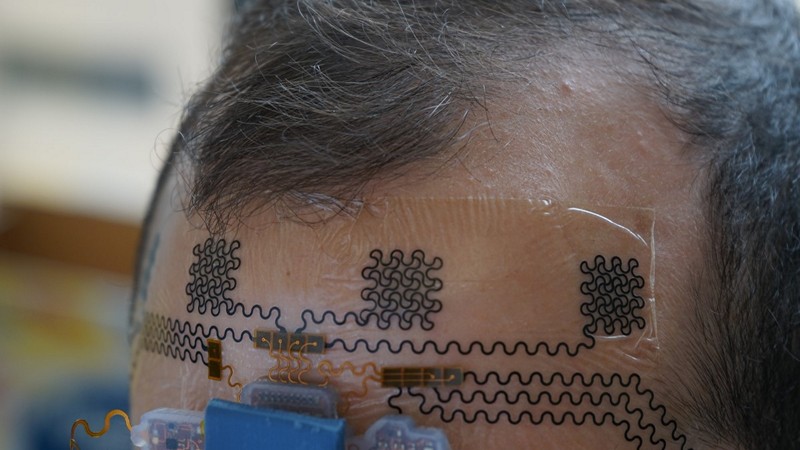
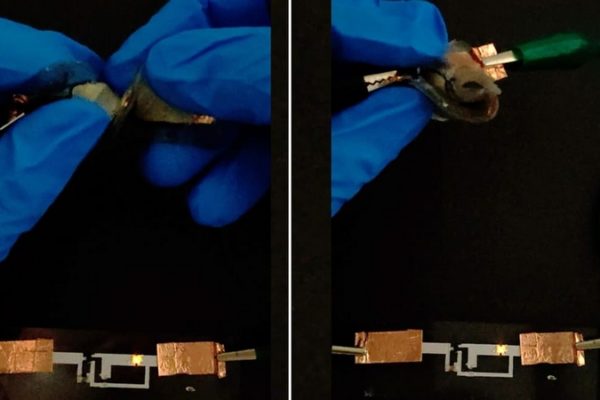
Researchers at UT Austin have developed electronic tattoos and soft robotic skin designed to improve monitoring and care for older adults. The tattoos capture brain and heart activity without bulky equipment, while the soft robot skin allows machines to interact safely and gently. By integrating AI directly into the sensors, the technology enables continuous, real-time data collection and responsive care. These advances show the very real potential for flexible electronics and robotics to transform eldercare and demonstrate how wearable and soft robotics are moving from laboratory concepts toward practical applications in healthcare.
Open-Source Hardware News
Making AI For Everyone: Multilingual Open-Source AI Prototype Unveiled At Bharat Mandapam

Recently, India has demonstrated a handheld, multilingual AI prototype designed for offline, privacy-preserving operation, showcasing its potential to bridge the digital divide. Developed by the BHASHINI Division, Current AI, and Kalpa Impact, the device processes real-time queries across multiple languages without constant connectivity, making it suitable for rural and underserved areas. Presented to Union Minister Shri Ashwini Vaishnaw, the prototype highlights the country’s focus on culturally and linguistically inclusive AI, and a Global Innovation Challenge has been launched to encourage open-source iterations. This effort underscores India’s commitment to accessible, responsible, and locally deployable AI solutions.